

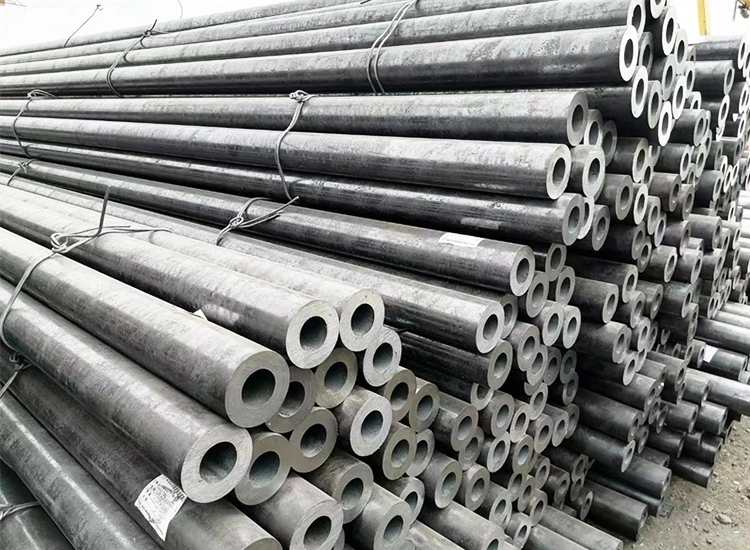
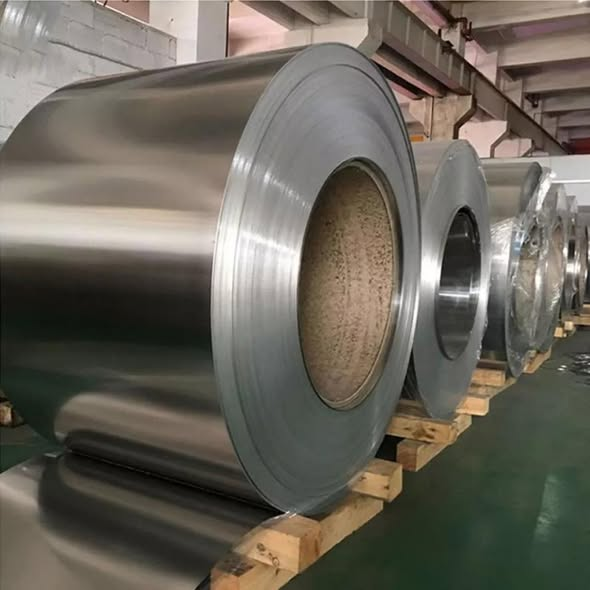
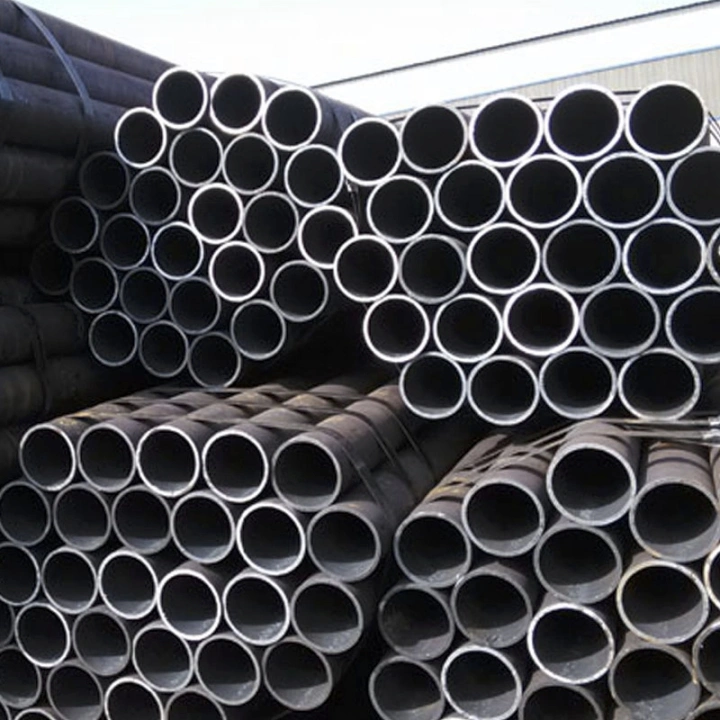
Carbon steel is one of the most widely deployed engineering materials on the planet, spanning structural fabrication, food processing equipment, and commercial cookware. Yet despite its ubiquity, procurement teams and compliance officers routinely flag a foundational question: is carbon steel non-toxic?
The answer is nuanced. Carbon steel’s safety profile depends on its specific grade, surface condition, applied coatings, and end-use environment. A poorly specified grade used in direct food contact without proper surface treatment carries different risk parameters than a seasoned, food-grade carbon steel wok operating in a commercial kitchen.
This guide delivers a technically grounded analysis of carbon steel’s material composition, heavy metal thresholds, applicable food-safety regulations, and comparative safety benchmarks against stainless steel. Whether you are sourcing raw plate, finished cookware, or food plant equipment, this resource equips your team with the compliance clarity and supplier evaluation criteria needed to make defensible procurement decisions.
Material Composition & Toxicity Profile of Carbon Steel
1. What Is Carbon Steel Made Of?
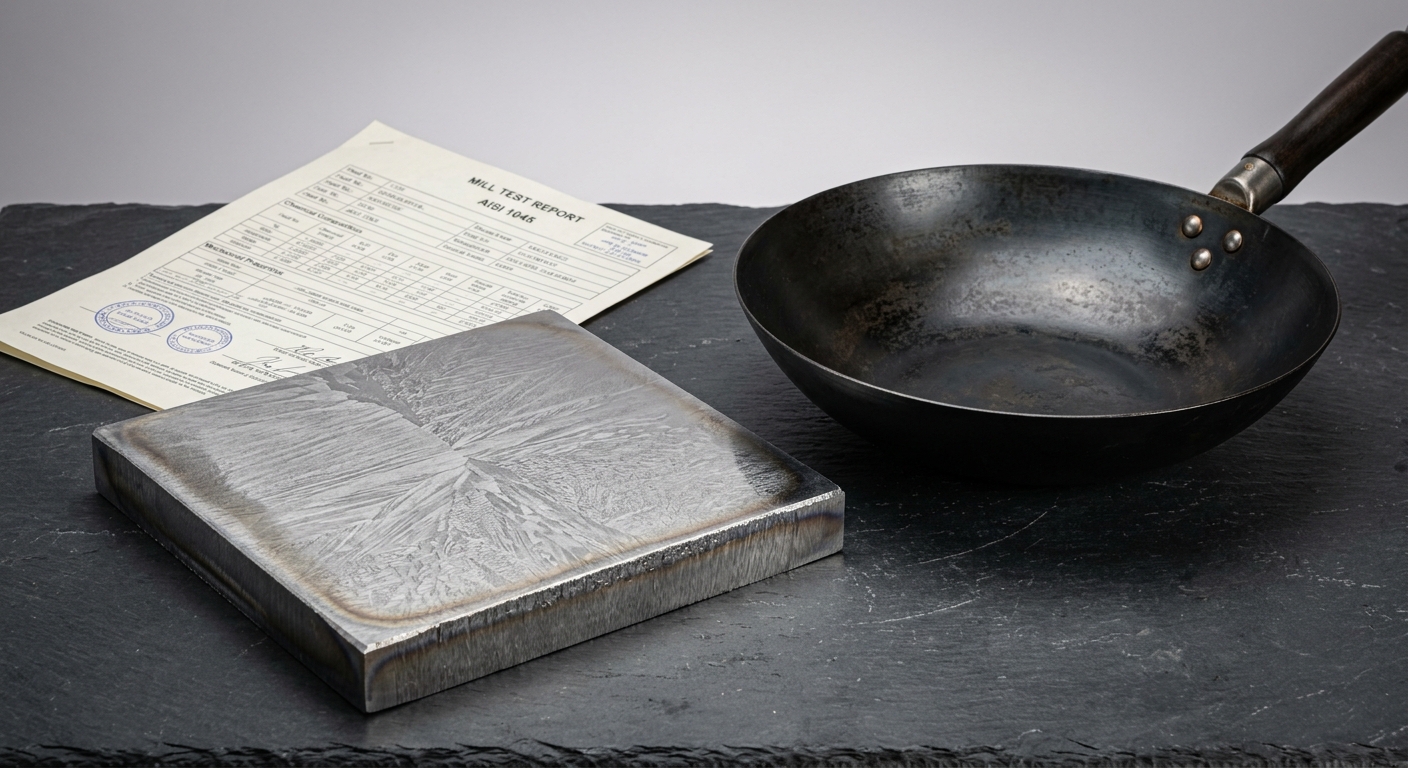
Carbon steel is fundamentally an iron-carbon alloy, with carbon content ranging from 0.05% to approximately 2.0% by weight. Beyond these two primary constituents, commercial carbon steel grades contain controlled trace elements — primarily manganese (Mn) for hardenability, silicon (Si) for deoxidation, and residual amounts of phosphorus (P) and sulfur (S) that are tightly regulated to prevent brittleness.
Unlike alloy steels or stainless steels, carbon steel does not intentionally incorporate chromium, nickel, molybdenum, or other alloying elements in significant quantities. This compositional simplicity is a key factor in its favorable toxicity profile: the absence of intentional heavy metal additions means the baseline contamination risk is structurally lower than in many competing materials.
Grade classification follows a straightforward carbon-content hierarchy:
- Low-carbon steel (e.g., AISI 1020): ≤ 0.30% C — most ductile, used in food equipment frames and sheet goods
- Medium-carbon steel (e.g., AISI 1045): 0.30–0.60% C — balanced strength and machinability
- High-carbon steel (e.g., AISI 1095): 0.60–1.00%+ C — used in cutting tools and cookware requiring edge retention
2. Does Carbon Steel Contain Harmful Substances?
The primary toxicological concern in carbon steel is incidental heavy metal content derived from raw material sourcing and scrap steel inputs. Industry standards and mill certifications govern maximum allowable thresholds for lead (Pb), arsenic (As), and cadmium (Cd).
Iron leaching is a separate consideration. At typical cooking or processing temperatures, carbon steel does release trace ferrous ions — but this is generally considered non-toxic and, in many contexts, nutritionally neutral to beneficial, as iron is an essential dietary mineral. Carbon migration risk is negligible: the carbon in the steel matrix is bound in carbide phases and does not transfer to food under normal operating conditions.
Chemical Composition & Toxicity Risk by Carbon Steel Grade
| Grade | C% | Mn% | Si% | P% max | S% max | Pb (ppm) max | Toxicity Risk |
|---|---|---|---|---|---|---|---|
| AISI 1020 | 0.18–0.23 | 0.30–0.60 | ≤0.35 | 0.040 | 0.050 | ≤10 | Low |
| AISI 1045 | 0.43–0.50 | 0.60–0.90 | ≤0.35 | 0.040 | 0.050 | ≤10 | Low |
| AISI 1095 | 0.90–1.03 | 0.30–0.50 | ≤0.35 | 0.040 | 0.050 | ≤10 | Low–Moderate* |
*Higher carbon grades may require additional surface passivation in direct food-contact applications.
Food Safety Standards & Regulatory Compliance
1. Is Carbon Steel Approved for Food Contact?
Carbon steel can be fully compliant with food-contact regulations, provided the correct grade is specified and surface conditions are maintained. Two primary regulatory frameworks govern food-contact metals in major markets:
FDA 21 CFR (United States): Under 21 CFR §177 and related provisions, metals used in food-contact surfaces must not migrate to food in quantities that present a public health hazard. Plain carbon steel is not explicitly prohibited; compliance is established through migration testing and material certification.
EU Regulation 10/2011 (European Union): This regulation governs plastic materials but sets the broader precedent for migration limits (10 mg/dm² overall migration limit) that metal suppliers reference. For metals specifically, the Council of Europe’s Resolution AP(2013)5 provides technical guidance. Carbon steel complies when total heavy metal migration remains within defined thresholds.
For B2B procurement, the practical compliance pathway involves requesting mill test reports (MTRs), third-party migration test data, and supplier declarations of conformity aligned to the target market’s regulatory framework. Food-grade carbon steel suppliers should readily provide documentation confirming heavy metal content below regulatory limits.
2. Surface Treatment & Coating Safety
Bare carbon steel is susceptible to oxidation, which creates a direct food-safety variable. Approved surface treatments used in food-grade applications include:
- Seasoning (polymerized oil layer): The standard treatment for cookware. A properly seasoned carbon steel surface creates a PTFE-free, non-stick oxide-oil composite that is chemically stable, non-toxic, and improves with use. No synthetic coatings are involved.
- Beeswax coating: Used for storage and transport protection on food-contact carbon steel. Beeswax is FDA-recognized as safe for food contact.
- Oxide passivation (bluing/blackening): Controlled oxidation creates a magnetite (Fe₃O₄) surface layer that reduces reactive iron exposure. This treatment is food-safe and widely used in commercial cookware manufacturing.
- Electrostatic powder coating: Suitable for non-contact surfaces of food equipment frames; not appropriate for direct food-contact surfaces unless specifically food-grade certified.
Carbon Steel vs. Stainless Steel — Safety Comparison
1. Nickel & Chromium Leaching: Why It Matters for B2B Buyers
This is the comparison point most often overlooked in procurement specifications. Stainless steel’s corrosion resistance comes from its chromium content (typically 10.5–18%) and, in austenitic grades like 304 and 316, nickel content of 8–12%. Both elements are known allergens and, at elevated exposure levels, toxicological concerns.
Research published in peer-reviewed food science literature confirms that stainless steel cookware releases measurable quantities of nickel and chromium into acidic foods — particularly tomato-based sauces, vinegar preparations, and citrus applications. For end-users with nickel sensitivity (affecting an estimated 10–15% of the global population), this represents a clinically relevant exposure pathway.
Carbon steel, by contrast, presents an inert surface profile with respect to nickel and chromium — because it contains neither in significant quantities. For B2B buyers supplying allergen-sensitive markets, healthcare foodservice, or specialty diet product lines, this distinction carries real commercial and liability implications.
2. Corrosion Behavior & Long-Term Safety Implications
Carbon steel’s primary safety liability relative to stainless steel is rust formation under inadequate maintenance conditions. Red rust (Fe₂O₃) is not acutely toxic — ingestion of trace iron oxide is not a recognized poisoning risk — but it indicates surface degradation that can compromise equipment hygiene and introduce particulate contamination.
The key operational variable is maintenance protocol. Carbon steel equipment maintained with proper seasoning or passivation schedules performs safely over extended service life. Stainless steel requires less active maintenance but introduces the allergen and leaching variables described above.
| Safety Parameter | Carbon Steel | Stainless Steel (304/316) |
|---|---|---|
| Nickel content | Negligible | 8–12% |
| Chromium content | Negligible | 10.5–18% |
| Iron leaching | Low (nutritionally neutral) | Low |
| Allergen risk | Minimal | Moderate (Ni sensitivity) |
| Corrosion resistance | Requires maintenance | High |
| Coating/treatment required | Yes (food-contact) | Typically no |
Industrial & Commercial Application Scenarios
1. Food Processing & Commercial Cookware
Carbon steel is the material of choice in several high-demand food industry segments. Commercial wok manufacturing relies almost exclusively on carbon steel (typically 1.5–3mm AISI 1020 or equivalent) due to its rapid heat transfer characteristics, high-heat stability up to 1200°C, and the safety profile of its seasoned surface. Professional kitchens across Asia, Europe, and North America deploy carbon steel pans, crepe griddles, and paella dishes as standard equipment.
In food plant equipment, carbon steel is used for structural framing, conveyor supports, and non-contact vessel components. For direct product-contact surfaces in processing lines — particularly those handling acidic or high-moisture products — food-grade specification with documented surface treatment is required, and buyers should mandate supplier MTRs and third-party compliance testing as standard contract terms.
2. Non-Food Industrial Uses & Safety Boundaries
Beyond food applications, carbon steel’s non-toxic profile supports deployment in pressure vessels, structural members, pipelines, and mechanical components. ASME and ASTM standards govern grade selection for these applications. The relevant safety boundary for industrial use is chemical exposure compatibility: carbon steel is not suitable for prolonged contact with strong acids, chlorinated environments, or oxidizing chemicals without protective coatings, as accelerated corrosion can compromise structural integrity and introduce contamination risks in process streams.
Conclusion
Carbon steel is a demonstrably non-toxic material when correctly specified, properly surfaced, and maintained according to established protocols. Its iron-carbon composition is free of intentional heavy metal additions, its food-contact compliance pathway is well-documented under FDA and EU frameworks, and its absence of nickel and chromium provides a meaningful safety advantage over stainless steel in allergen-sensitive procurement contexts.
For B2B buyers, the compliance checklist is clear: verify grade-specific MTRs, confirm surface treatment type and regulatory alignment, and require third-party migration data for any direct food-contact application. Suppliers unable to provide this documentation should not be qualified for food-grade contracts.
Carbon steel’s combination of thermal performance, material safety, and cost efficiency makes it a strategically sound choice for commercial cookware, food processing equipment, and industrial fabrication — provided procurement teams apply the right specification rigor from the outset.