

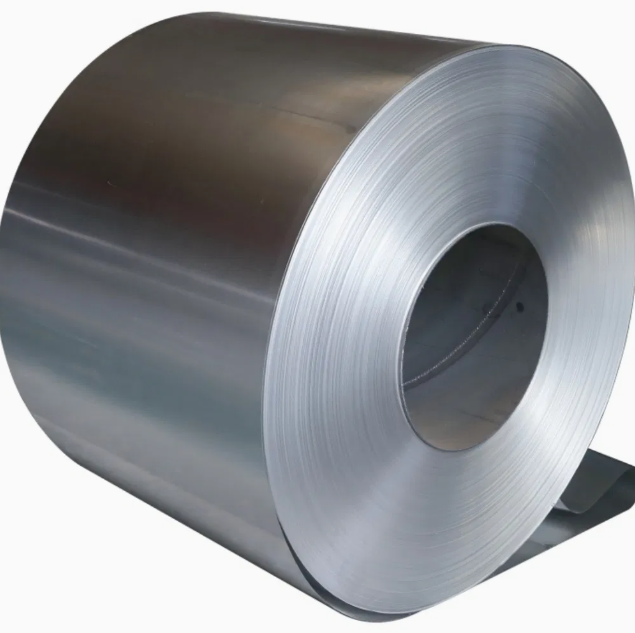
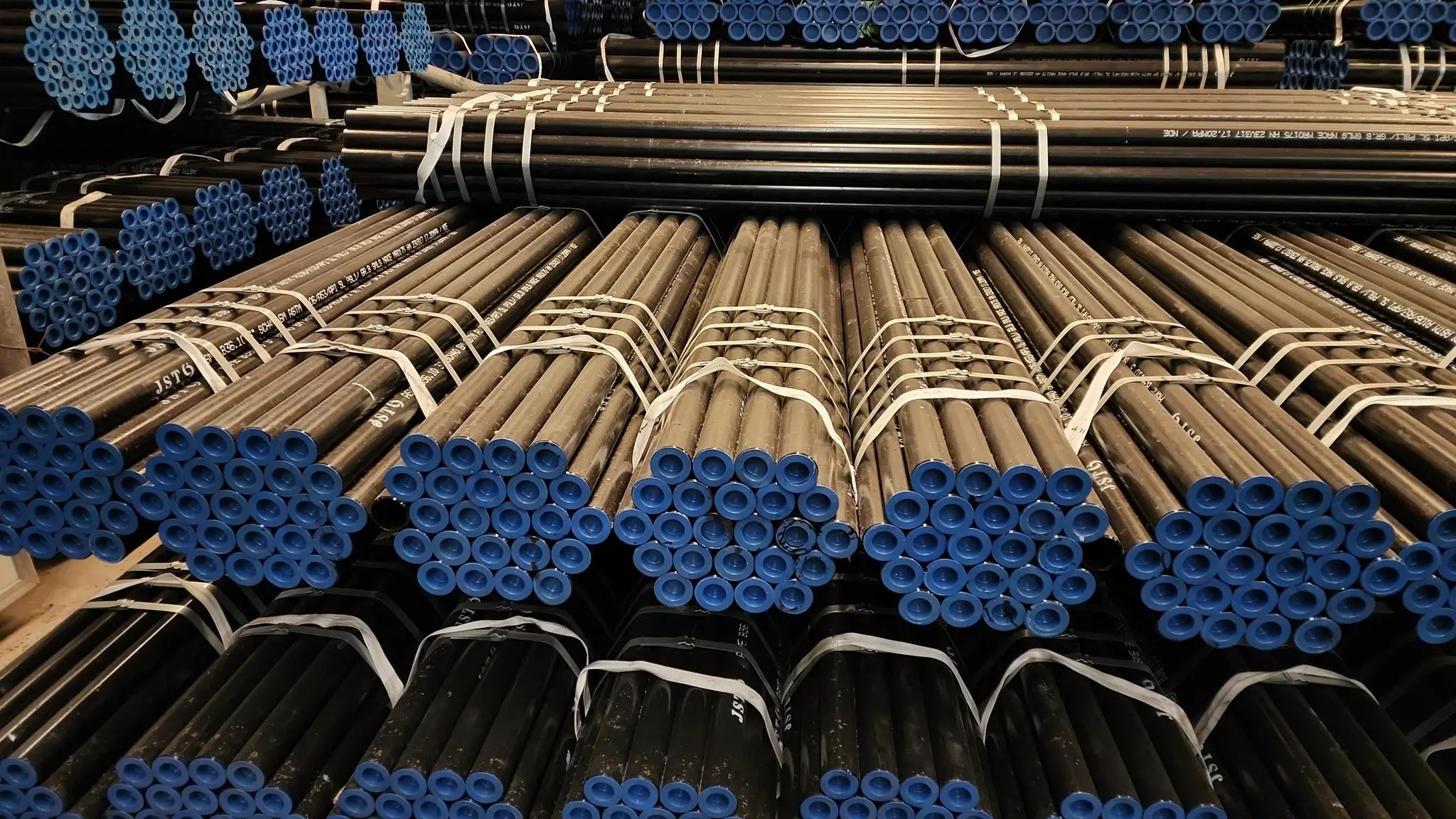
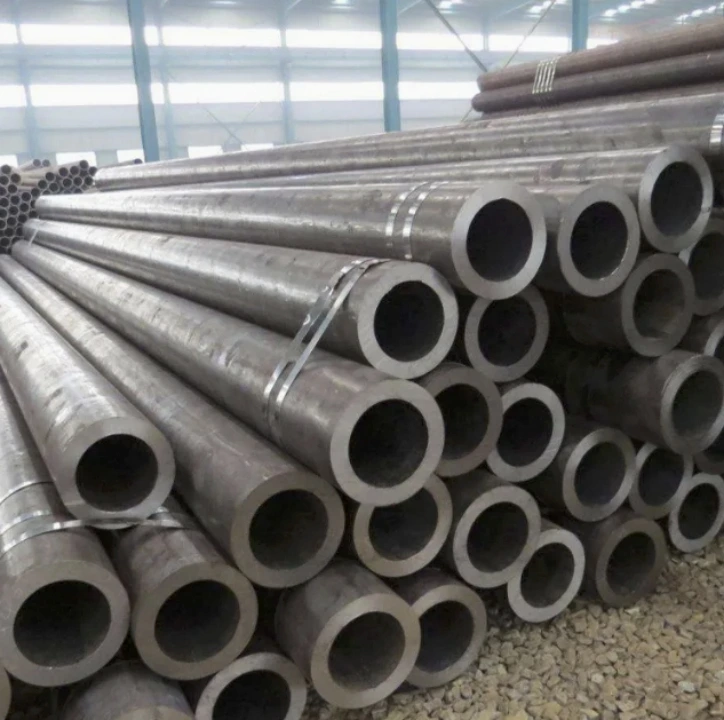
Carbon steel is the backbone of global industrial infrastructure — from structural frameworks and pipelines to machinery components and storage systems. Its mechanical strength, machinability, and cost efficiency make it a default choice for procurement teams across construction, manufacturing, and energy sectors. Yet one question consistently surfaces in material selection discussions: does carbon steel rust?
The short answer is yes. Unlike stainless steel, carbon steel lacks the chromium-based passive layer that resists oxidation. Without protective intervention, rust formation is not a matter of “if” but “when.” However, the timeline and severity depend heavily on environmental conditions, surface preparation, and maintenance protocols.
For buyers, understanding carbon steel’s corrosion behavior is not merely a technical exercise — it directly impacts total cost of ownership, asset longevity, and maintenance budgeting. This article breaks down the electrochemical mechanism behind carbon steel rust, quantifies corrosion timelines across real-world environments, benchmarks performance against stainless steel, and delivers actionable prevention and maintenance strategies to protect your investment at scale.
Why Carbon Steel Rusts: The Corrosion Mechanism
1. Electrochemical Basis of Iron Oxidation
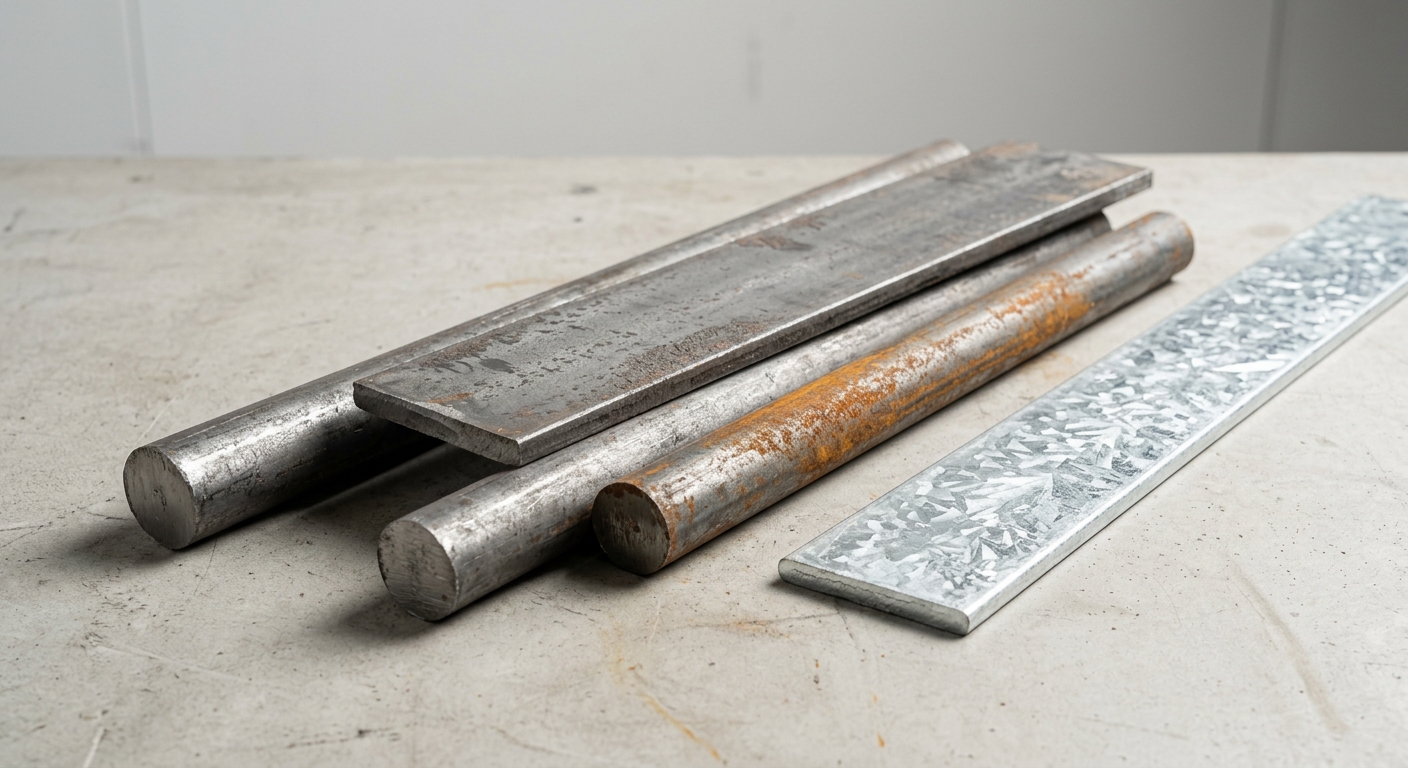
Carbon steel rusts through a well-understood electrochemical process driven by the interaction of iron (Fe), moisture, and atmospheric oxygen. When the steel surface is exposed to water — even humidity above approximately 60% RH — an electrolytic film forms. Within this film, anodic zones develop where iron atoms lose electrons and oxidize to ferrous ions (Fe²⁺):
Fe → Fe²⁺ + 2e⁻ (anodic reaction)
At cathodic zones, oxygen is reduced in the presence of water:
O₂ + 2H₂O + 4e⁻ → 4OH⁻ (cathodic reaction)
The resulting ferrous hydroxide further oxidizes to form hydrated iron oxide — the familiar red-brown rust (Fe₂O₃·nH₂O). Critically, unlike the dense chromium oxide layer that seals stainless steel, iron oxide is porous and non-adherent. It does not arrest the reaction; instead, it accelerates it by trapping moisture against the base metal and creating new anodic sites beneath the rust layer.
This self-propagating nature of iron corrosion is why untreated carbon steel in humid environments does not simply “stabilize” — it continues degrading until structurally compromised.
2. Key Factors That Accelerate Carbon Steel Rust Rate
Several environmental and material variables determine how quickly rust initiates and progresses:
- Humidity: Rust onset accelerates significantly above 60% relative humidity. At 80%+ RH, surface oxidation can begin within hours on bare, uncoated steel.
- Chloride exposure: Chloride ions (from seawater, road salt, or industrial atmospheres) penetrate oxide layers and dramatically increase ionic conductivity, accelerating corrosion rates by 5–10× compared to dry inland environments.
- Carbon content: Higher carbon content (>0.3% C) can create micro-galvanic cells between iron carbide (Fe₃C) phases and the ferrite matrix, slightly increasing localized corrosion susceptibility.
- Surface condition: Mill scale, scratches, and weld heat-affected zones create electrochemical heterogeneity, acting as preferential corrosion initiation sites.
- Temperature: Elevated temperatures increase reaction kinetics; industrial environments with thermal cycling compound corrosion risk.
Carbon Steel Rust Rate by Environmental Condition
| Environment Type | Humidity Level | Chloride Presence | Estimated Rust Onset Time | Corrosion Rate (mm/year) |
|---|---|---|---|---|
| Controlled Indoor | <50% RH | None | 6–12 months | 0.01–0.05 |
| Ambient Indoor | 50–70% RH | Minimal | 1–4 weeks | 0.05–0.15 |
| Outdoor Urban | 70–80% RH | Low | 24–72 hours | 0.10–0.30 |
| Outdoor Industrial | 75–85% RH | Moderate | 12–48 hours | 0.30–0.80 |
| Coastal / Marine | >80% RH | High | 2–8 hours | 0.80–2.00+ |
How Long Does It Take Carbon Steel to Rust?
1. Rust Timeline by Environment (Indoor vs. Outdoor vs. Marine)
The rust onset timeline for carbon steel varies by orders of magnitude depending on environmental exposure. Understanding these stages allows procurement and maintenance teams to calibrate inspection cycles and coating specifications accordingly.
Indoor controlled environments (warehouses with climate control, <50% RH): Bare carbon steel can remain visibly rust-free for months. Surface discoloration typically begins at 6–12 months, with structural corrosion remaining negligible for 2–5 years under dry storage conditions.
Outdoor atmospheric exposure (urban or rural, moderate humidity): Visible rust typically appears within 24–72 hours on freshly machined or descaled surfaces. Within 3–6 months, a continuous rust layer forms. At the 1–2 year mark, pitting corrosion becomes measurable, and section loss begins to affect mechanical properties.
Industrial and high-humidity environments: In environments exceeding 75% RH with pollutant exposure (SO₂, NOₓ), rust onset accelerates to 12–48 hours. Annual corrosion rates of 0.3–0.8 mm/year are common, meaning a 6 mm wall-thickness component could lose 10–15% of its section within 2 years without protection.
Marine and coastal environments: This is the most aggressive scenario for carbon steel. Salt spray testing (ASTM B117) demonstrates rust initiation on bare steel within 2–8 hours. Coastal industrial facilities can experience corrosion rates exceeding 2 mm/year, making unprotected carbon steel structurally untenable within 12–18 months.
The practical implication: surface condition at installation is a critical baseline. Mill-scaled, oiled, or blast-cleaned surfaces each present different initial corrosion resistance, and this must factor into coating system specification.
2. Carbon Steel vs. Stainless Steel: Rust Resistance Comparison
The fundamental difference between carbon steel and stainless steel corrosion behavior lies in passive film formation. Stainless steel alloys containing ≥10.5% chromium spontaneously form a dense, self-repairing chromium oxide (Cr₂O₃) layer — typically 1–3 nm thick — that blocks oxygen and moisture from reaching the iron substrate. Carbon steel has no equivalent mechanism.
| Property | Carbon Steel | Stainless Steel (304/316) |
|---|---|---|
| Chromium Content | <0.3% | 18–20% / 16–18% |
| Passive Oxide Layer | No | Yes (Cr₂O₃) |
| Rust Onset (outdoor, uncoated) | Hours to days | Years to decades |
| Corrosion Rate (marine) | 0.8–2.0+ mm/year | <0.01 mm/year |
| Material Cost (relative) | 1× baseline | 3–5× baseline |
| Lifecycle Cost (with maintenance) | Competitive | Lower long-term |
For applications demanding permanent corrosion immunity — food processing, pharmaceutical, or submerged marine components — stainless steel is the appropriate specification. However, for structural, civil, and heavy industrial applications where protective coatings or controlled environments are feasible, carbon steel’s 3–5× cost advantage combined with proper corrosion management delivers compelling lifecycle economics.
Carbon Steel Corrosion Prevention Methods
1. Surface Treatment & Protective Coatings
Effective corrosion prevention begins at the surface. The following methods represent the industrial standard for carbon steel protection:
- Hot-dip galvanizing: A zinc metallurgical bond applied at 450°C provides both barrier and cathodic protection. Zinc sacrificially corrodes to protect the steel substrate, delivering 20–70+ years of protection in atmospheric service depending on coating thickness (typically 45–85 µm per ASTM A123).
- Epoxy and polyurethane coatings: Two-component epoxy primers combined with polyurethane topcoats are the workhorse of industrial corrosion protection. Properly applied 3-coat systems (primer + intermediate + topcoat) achieve a 10–15-year service life in C3–C4 corrosivity environments per ISO 12944.
- Phosphate conversion treatment: Iron or zinc phosphate conversion coatings improve paint adhesion and provide a sacrificial base layer. Widely used as a pre-treatment before powder coating or paint in manufacturing environments.
- Thermal spray coatings (TSA/TSZ): Thermally sprayed aluminum or zinc coatings provide long-term protection for structural steel in aggressive marine or industrial environments, often specified for bridge and offshore applications.
Surface preparation quality is equally critical. Sa 2.5 blast cleaning (near-white metal, per ISO 8501-1) is the minimum standard for high-performance coating systems; inadequate surface prep is the leading cause of premature coating failure.
2. Design & Storage Best Practices for Industrial Buyers
Prevention extends beyond coatings into procurement and logistics decisions:
- Drainage design: Avoid hollow sections, crevices, or horizontal surfaces that trap water. Specify drainage holes in box sections and structural assemblies.
- Humidity-controlled storage: Store carbon steel stock at <60% RH. Use desiccants, vapor barrier wrapping, or climate-controlled warehousing for long-term inventory.
- Pre-shipment oiling: Specify rust-preventive oil (e.g., VCI — Volatile Corrosion Inhibitor — treated packaging) for transit and storage periods exceeding 30 days.
- First-in, first-out inventory rotation: Minimize storage duration for uncoated stock. Establish maximum storage windows based on facility humidity data.
Carbon Steel Maintenance Tips for Long-Term Asset Protection
1. Routine Inspection & Early-Stage Rust Remediation
Proactive maintenance is significantly more cost-effective than reactive remediation. A structured inspection and treatment program extends carbon steel asset life by decades.
Inspection frequency guidelines:
- Indoor/controlled environments: Annual visual inspection
- Outdoor atmospheric service: Semi-annual inspection
- Marine or industrial chemical environments: Quarterly inspection
Early-stage rust remediation options:
| Rust Stage | Remediation Method | Notes |
|---|---|---|
| Surface bloom/flash rust | Wire brushing + re-oiling or spot primer | Effective if caught within weeks |
| Light uniform rust (Ri 1–2, ISO 4628) | Mechanical grinding + spot coat | Cost-effective; no section loss |
| Moderate pitting (Ri 3–4) | Abrasive blast + full recoat | Assess section loss; document thickness |
| Severe/structural rust (Ri 5) | Engineering assessment required | May require section replacement |
Re-coating intervals should be based on coating condition assessments, not fixed calendars. Infrared moisture meters and holiday detectors identify coating breakdown before visible rust appears, enabling targeted maintenance rather than full strip-and-recoat cycles.
Chemical rust converters (tannic acid-based) can stabilize light-to-moderate rust in place and serve as a primer base — a cost-effective field solution for large structural assets where full blast cleaning is impractical.
Conclusion
Carbon steel rusts — this is a material reality, not a defect. The iron-oxygen-moisture electrochemical reaction is unavoidable without intervention, and in aggressive environments, rust onset can occur within hours. However, carbon steel’s susceptibility to corrosion does not disqualify it from demanding industrial applications. With properly specified surface treatments, design best practices, and structured maintenance programs, carbon steel assets routinely achieve 30–50+ year service lives at a fraction of the material cost of stainless alternatives.
For procurement and engineering teams, the key decisions are: accurately characterize the service environment (corrosivity category C1–C5 per ISO 12944), specify the appropriate coating system or metallic protection, and implement an inspection-driven maintenance program. These three steps transform carbon steel from a corrosion liability into a cost-optimized, durable structural material aligned with long-term asset performance goals.