

Selecting the right roofing sheet material is one of the most consequential procurement decisions in any construction or industrial project. The wrong choice translates directly into accelerated corrosion, structural failure, elevated maintenance budgets, and compressed replacement cycles — all of which erode project ROI. With dozens of materials competing for specification, procurement managers need a data-driven framework rather than supplier marketing claims.
This guide evaluates the five most widely specified roofing sheet materials against objective performance metrics, then presents a detailed technical and commercial case for PPGI (Pre-Painted Galvanized Iron) roofing sheet as the benchmark choice for B2B applications. Whether you are sourcing for warehouse construction, agricultural facilities, cold storage complexes, or commercial factory roofs, the insights here will help you align material specifications with environmental requirements, budget constraints, and long-term ownership costs. Compliance references, pricing drivers, and a procurement inspection framework are included to support your sourcing decisions at every stage.
Roofing Sheet Material Comparison: Why Material Selection Matters
1. Overview of Common Roofing Sheet Materials
The roofing sheet market presents buyers with five primary material categories, each with distinct performance profiles. Understanding where each material excels — and where it fails — is the foundation of intelligent specification.
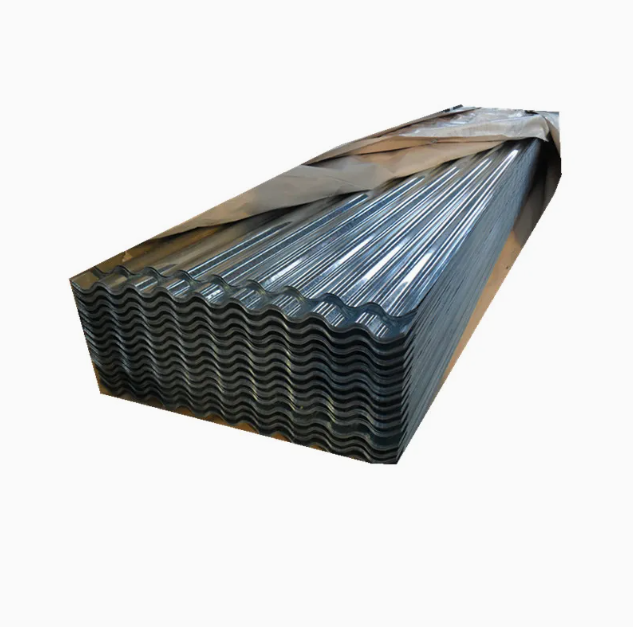
Bare Galvanized Iron (GI): A zinc-coated steel substrate without a paint system. Economical upfront but susceptible to surface oxidation once the zinc layer is compromised. Typical lifespan in moderate environments is 10–15 years.
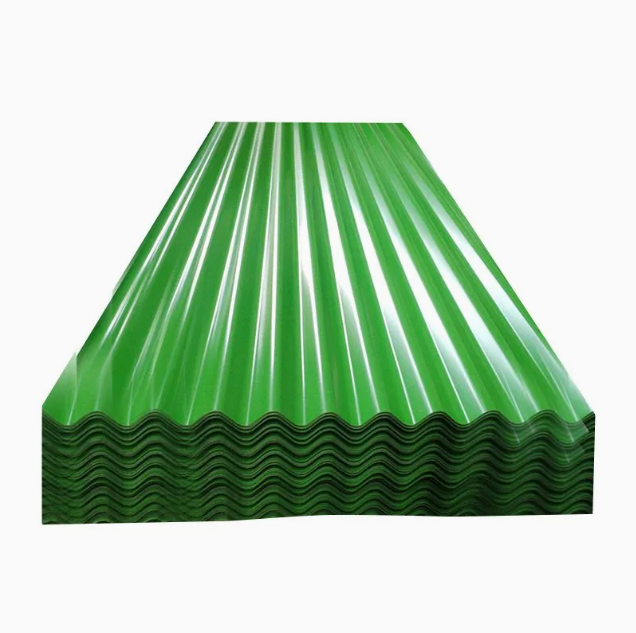
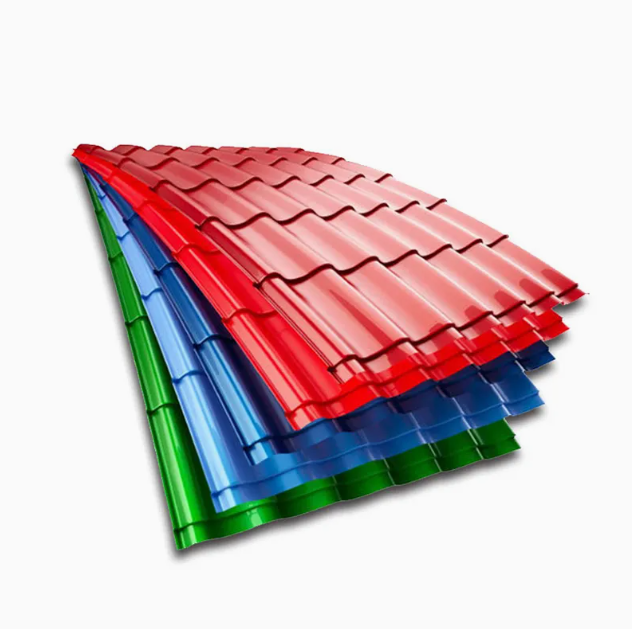
PPGI (Pre-Painted Galvanized Iron): GI substrate with a factory-applied multi-layer paint system (primer + topcoat). The paint barrier dramatically extends corrosion resistance, adds UV stability, and enables color customization. Industry benchmark for cost-to-performance.
Aluminum Roofing Sheet: Lightweight and naturally corrosion-resistant, but carries a significant price premium and lower structural rigidity per unit thickness. Preferred in marine environments where zinc-based coatings underperform.
Fiber Cement Sheet: Non-metallic, fire-resistant, and thermally stable, but heavy (10–20 kg/m²), brittle under impact, and difficult to cut on-site. Common in low-slope agricultural applications.
Polycarbonate Sheet: Transparent or translucent, used for daylighting applications. Poor thermal insulation, UV degradation over time, and limited structural load capacity make it unsuitable as a primary roofing material in most B2B settings.
| Material Type | Base Coating | Lifespan (Years) | Weight (kg/m²) | Corrosion Resistance | Relative Price Index |
|---|---|---|---|---|---|
| PPGI | Zinc + Paint System | 25–40 | 4–7 | Excellent | 1.0 (Baseline) |
| Bare GI | Zinc Only | 10–15 | 4–7 | Moderate | 0.75 |
| Aluminum | Anodized/Mill Finish | 30–50 | 2.5–4 | Very Good | 2.2–2.8 |
| Fiber Cement | None (Composite) | 20–30 | 10–20 | Good | 0.9–1.1 |
| Polycarbonate | UV Coating | 10–15 | 1.5–3 | Good | 1.4–1.8 |
2. Why PPGI Outperforms Alternatives for B2B Buyers
For procurement teams balancing performance, supply chain reliability, and budget accountability, PPGI delivers a combination that no single alternative can match. Its cost-to-performance ratio is unmatched at scale: PPGI costs roughly 25–30% more than bare GI upfront but delivers 60–100% longer service life, yielding a substantially lower annualized cost.
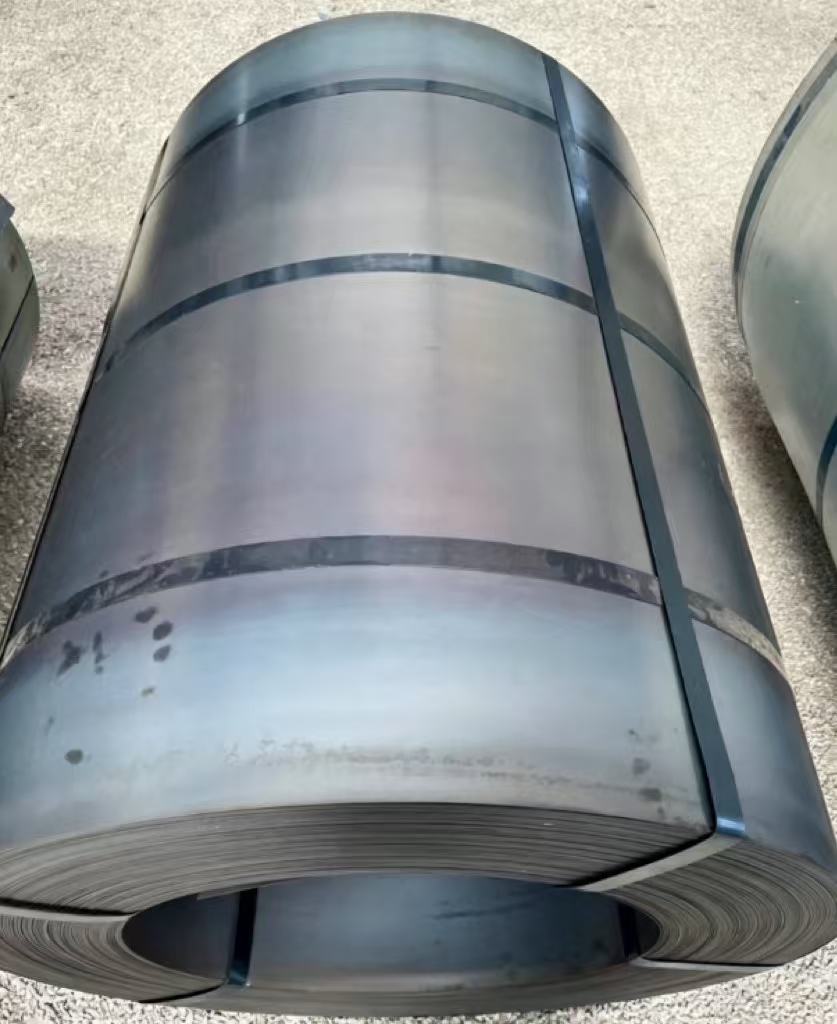
From a supply chain perspective, PPGI is one of the most globally traded coated steel products. Major producing regions — including China, South Korea, India, and Eastern Europe — maintain high-volume output, ensuring consistent availability, short lead times, and competitive pricing even during moderate steel market volatility. Fabrication flexibility is another commercial advantage: PPGI coils can be roll-formed into trapezoidal, corrugated, or standing-seam profiles on standard equipment, allowing manufacturers to fulfill project-specific dimensions without tooling surcharges.
PPGI Roofing Sheet Technical Specifications & Standards
1. Core Technical Parameters of PPGI Roofing Sheet
Specifying PPGI correctly requires understanding the layered construction that defines its performance. Each parameter has a measurable impact on durability and suitability for specific environments.
Steel Substrate Grade: Structural-grade cold-rolled steel (typically S280GD or S350GD per EN 10346, or equivalent ASTM A653 Grade 33/50) provides the load-bearing foundation. Higher-grade substrates support longer spans and heavier snow or wind loads.
Zinc Coating Weight: Expressed in g/m² (total both sides). Standard commercial-grade PPGI uses Z100–Z120 (100–120 g/m²). Aggressive or coastal environments require Z180–Z275. Zinc coating weight is the single most important variable in determining base corrosion resistance before the paint system is considered.
Paint System: The standard configuration is a two-coat system — a chromate/epoxy primer (5–8 µm) plus a polyester topcoat (15–25 µm). For high-UV or chemical-exposure environments, PVDF (polyvinylidene fluoride) topcoats (25 µm) provide superior color retention and chemical resistance over a 30+ year service life.
Total Thickness Range: Commercial PPGI roofing sheet is typically supplied in 0.30–0.80 mm base metal thickness. Industrial applications with longer purlin spans generally specify 0.50–0.70 mm to meet deflection limits.
Tensile Strength: Ranges from 280 MPa (standard) to 550 MPa (high-strength structural grades), enabling engineers to optimize material weight without sacrificing structural performance.
2. Compliance Standards & Quality Certifications
B2B buyers should require supplier documentation against recognized international standards:
- ASTM A755/A755M: Standard specification for steel sheet, metallic-coated by the hot-dip process and pre-painted — the primary North American reference.
- EN 10169: European standard for continuously organic-coated (coil-coated) flat-rolled steel products, covering paint adhesion, flexibility, and corrosion resistance testing.
- JIS G3322: Japanese Industrial Standard for prepainted hot-dip zinc-coated steel sheets — widely referenced in Asian supply chains.
Beyond standards compliance, buyers should request SGS or Bureau Veritas third-party test reports covering salt spray resistance (minimum 500 hours per ASTM B117 for standard grades; 1,000+ hours for coastal specifications), paint adhesion (cross-cut test per ISO 2409), and coating weight verification.
Application Scenarios & Installation Considerations
1. Industrial, Commercial & Agricultural Use Cases
PPGI roofing sheet’s versatility makes it the dominant specification across several high-volume B2B construction segments:
Warehouses & Logistics Centers: High-bay structures require roofing that spans wide purlin intervals (1.5–3.0 m) without excessive deflection. PPGI in 0.55–0.70 mm thickness with trapezoidal profiles (rib height 30–50 mm) delivers the required section modulus while minimizing dead load on the structural frame.
Manufacturing Facilities: Chemical exposure, steam, and elevated temperatures demand paint systems with enhanced chemical resistance. PVDF-coated PPGI or silicone-modified polyester (SMP) topcoats are the preferred specification in these environments.
Cold Storage & Refrigerated Buildings: Thermal cycling creates expansion/contraction stresses that test paint adhesion and fastener integrity. PPGI’s flexible paint system (T-bend rating ≤2T per EN 10169) accommodates these movements without cracking or delamination.
Agricultural Sheds & Poultry Houses: Cost sensitivity is high, but corrosion from ammonia and humidity is severe. Z180 zinc coating with a 20 µm polyester topcoat provides adequate protection at a competitive price point.
2. Profile Types, Colors & Customization Options
Trapezoidal Profiles: Higher rib geometry (35–50 mm) provides greater spanning capacity and water drainage efficiency. Preferred for industrial and commercial roofs with slopes ≥5°.
Corrugated Profiles: Classic sinusoidal profile with lower rib height (18–25 mm). Economical tooling, widely available, and suitable for agricultural or secondary structures with closer purlin spacing.
Color Customization: PPGI is supplied against the RAL or Pantone color systems, with standard commercial colors (RAL 9002 White, RAL 5015 Sky Blue, RAL 6005 Moss Green) typically available from stock. Custom colors require minimum order quantities of 5–10 metric tons per color, with 3–5 week lead times for paint scheduling.
Dimensional Customization: Coil-fed roll-forming lines allow cut-to-length production in 1 mm increments, eliminating on-site cutting waste and reducing installation labor costs — a meaningful procurement advantage on large projects.
PPGI Roofing Sheet Pricing Factors & Procurement Strategy
1. Key Drivers of PPGI Roofing Sheet Price
Understanding what moves PPGI roofing sheet price allows procurement teams to time purchases strategically and evaluate supplier quotes accurately.
- Zinc Coating Weight: Moving from Z100 to Z275 adds approximately 8–15% to material cost but can double corrosion service life in aggressive environments — a clear value trade-off.
- Paint System Specification: Upgrading from standard polyester to PVDF adds 12–20% to coated coil cost. For projects with 25+ year design life, this premium is typically recovered within the first replacement cycle avoided.
- Order Volume & MOQ: Spot purchases below 20 metric tons carry 10–18% price premiums over contract volumes. Buyers with recurring demand should negotiate annual supply agreements with quarterly price review clauses tied to HRC (hot-rolled coil) index benchmarks.
- Steel Market Fluctuation: PPGI pricing tracks HRC futures with a 4–8 week lag. Monitoring the LME and SHFE steel indices provides early warning of price movements.
- Logistics Surcharges: For seaborne shipments, freight cost per metric ton can represent 8–15% of total landed cost. Consolidating orders to full-container-load (FCL) quantities minimizes this variable.
2. Total Cost of Ownership vs. Upfront Material Cost
Procurement decisions based solely on unit price consistently underperform against TCO-optimized specifications. A simplified ROI framework:
A warehouse project specifying bare GI at $0.75/kg versus PPGI at $1.00/kg appears to save 25% upfront. However, if GI requires replacement or major coating remediation at year 12 versus PPGI’s year 30 lifecycle, the 18-year replacement cost — including materials, labor, and production downtime — typically exceeds the original material saving by a factor of 3–5x.
Buyers should build TCO models incorporating: annual maintenance cost, expected replacement cycle, installation labor (once for PPGI versus multiple cycles for lower-grade alternatives), and downtime risk cost for production facilities.
FAQ
Q1: What is the minimum zinc coating weight recommended for PPGI roofing sheets in coastal or high-humidity environments?
For coastal environments within 1 km of saltwater or industrial zones with high atmospheric sulfur dioxide, specify a minimum of Z275 (275 g/m² total both sides) zinc coating, combined with a PVDF or SMP topcoat system of ≥25 µm. Salt spray resistance should be verified at ≥1,000 hours per ASTM B117 before acceptance.
Q2: How does PPGI roofing sheet price fluctuate with raw steel market changes, and how can buyers hedge procurement costs?
PPGI pricing typically follows HRC index movements with a 4–8 week lag. Buyers can hedge exposure through: (a) forward purchase agreements with price-lock clauses for 3–6 month windows, (b) index-linked contracts with defined adjustment formulas, and (c) dual-sourcing strategies across regions to leverage geographic price differentials during market volatility.
Q3: What quality inspection checklist should B2B buyers use when sourcing PPGI roofing sheets from overseas suppliers?
A minimum pre-shipment inspection checklist should cover: mill test certificate verification (coating weight, tensile strength, paint thickness), visual inspection for edge waviness and surface defects, cross-cut adhesion test (ISO 2409, rating ≤1), salt spray test report (ASTM B117), dimensional verification (thickness tolerance ±0.02 mm, width tolerance ±2 mm), and coil weight/ID/OD compliance. Third-party inspection by SGS, Bureau Veritas, or Intertek is strongly recommended for orders exceeding 50 metric tons.
Conclusion
PPGI roofing sheet consistently delivers the most balanced performance profile available to B2B procurement teams — combining verified corrosion resistance through its dual-barrier zinc-plus-paint system, dimensional flexibility for project-specific fabrication, broad compliance with ASTM, EN, and JIS standards, and a competitive total cost of ownership that bare GI and premium alternatives cannot match at scale.
The key to maximizing value lies in precise specification: matching zinc coating weight and paint system to environmental exposure class, selecting profile geometry to structural span requirements, and building procurement strategy around TCO rather than unit price. Buyers who apply this framework will consistently achieve longer service cycles, lower lifecycle costs, and more predictable project outcomes across industrial, commercial, and agricultural applications.