

Quick Answer: To effectively polish stainless steel, first remove any dirt, grease or surface residue. Then, choose a polishing method that matches the existing finish and the condition of the metal. For everyday stainless steel appliances and fixtures, a clean microfibre cloth and a suitable stainless steel polish are usually enough; however, scratched, dull or industrial surfaces may require progressively finer abrasives and specialised polishing equipment.
The Nickel Institute’s Guidelines for the Maintenance and Cleaning of Stainless Steel in Architecture, Building and Construction emphasise the importance of matching cleaning practices to the surface finish, and of avoiding damage caused by unsuitable abrasion or contamination.
Why Does Stainless Steel Need Polishing?
Stainless steel is widely used in kitchens, on architectural panels, in industrial equipment and for handrails and decorative components, as it combines durability and corrosion resistance with an attractive metallic appearance. Its corrosion resistance largely comes from a thin, chromium-rich passive film that forms naturally on the surface. While this protective film can reform when the surface is exposed to oxygen, stainless steel is susceptible to staining, scratches, fingerprints, mineral deposits, and localised corrosion. Appropriate cleaning and polishing help to maintain its appearance without causing unnecessary damage to the surface.
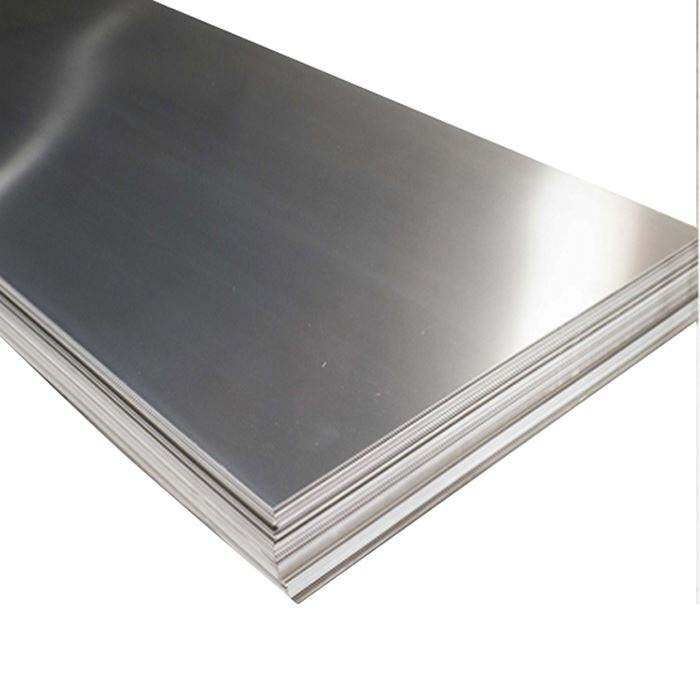
The purpose of polishing depends on the condition and intended use of the material. For household appliances, it usually involves removing fingerprints, water marks and oily smears while restoring a consistent sheen. On stainless steel sheets, fabricated parts or industrial components, it may involve controlled abrasion to remove scratches, blend weld areas, reduce surface roughness or achieve a satin or mirror finish. Cleaning can improve appearance, but cannot remove deep scratches, while aggressive abrasion may permanently alter a factory finish.
Therefore, it is useful to distinguish between cleaning, polishing and surface finishing. Cleaning removes contaminants, cosmetic polishing improves the appearance of an existing finish, and mechanical finishing changes the surface texture through abrasion. More specialised operations, such as electropolishing and passivation, have different purposes and process requirements. Before choosing a method, it is important to determine whether the issue is contamination, superficial dullness, visible scratching, or a technical surface finish requirement.
What You Need Before Polishing Stainless Steel?
For routine household maintenance, a few basic supplies are usually sufficient: clean microfibre cloths, warm water, mild dish detergent, and a stainless steel cleaner or polish that is approved for the specific surface. Use one cloth for cleaning and another for drying and buffing to ensure that loosened dirt and residual cleaner are not simply spread back across the metal. If the manufacturer provides specific care instructions, particularly for fingerprint-resistant or coloured stainless steel, these instructions should take precedence over a generic polishing method.
Industrial polishing requires more careful preparation. Depending on the component and the desired finish, suitable materials may include abrasive pads, graded abrasive papers, polishing compounds, buffing wheels, and equipment that can control speed and pressure. Tools used on carbon steel should not be casually reused on stainless steel because embedded iron particles can contaminate the surface and produce rust-like spots later on. For food processing, pharmaceutical, or other hygienic applications, achieving a highly reflective appearance may be less important than ensuring the specified surface roughness, cleaning requirements, and material integrity.
Safety is paramount whenever polishing involves powered equipment, chemical cleaners, or abrasive compounds. Wear eye protection and suitable gloves, provide ventilation where product instructions require it, and secure workpieces before using rotary tools. Never mix cleaning chemicals and do not use a general-purpose metal polish on surfaces that come into contact with food unless the label and the equipment manufacturer’s instructions permit it.
How to Polish Stainless Steel Step by Step?
For most household stainless steel surfaces, the safest approach is to start with the least aggressive method and increase the treatment only if necessary. This reduces the risk of creating scratches while trying to remove marks that may actually be grease, detergent residue, or dried minerals.
- Identify the finish and inspect the surface. Look closely under good lighting to determine whether the stainless steel has a brushed grain, satin texture, or mirror finish. Check the product manual if the surface has a protective coating, colored finish, or fingerprint-resistant treatment, because some products and abrasive methods may damage these finishes.
- Remove loose dirt and grease. Wipe the surface with a clean microfiber cloth dampened with warm water and a small amount of mild detergent. On brushed stainless steel, follow the direction of the visible grain rather than scrubbing across it; this helps maintain a uniform appearance and makes accidental marks less noticeable.
- Rinse away cleaning residue. Use a separate cloth dampened with clean water to remove detergent or cleaner residue. This step is important because a thin film left behind can dry into streaks or make the surface look cloudy even after the original dirt has been removed.
- Dry the surface completely. Wipe with a clean, soft cloth, working with the grain on brushed finishes. Drying helps prevent water spots caused by mineral deposits and gives you a clearer view of whether further polishing is necessary.
- Apply a suitable polish if needed. Follow the product label, applying only the recommended amount with a clean cloth. Spread it evenly rather than concentrating the product in one small area, and test an inconspicuous spot first if you are unsure how it will affect the finish.
- Buff and inspect. Use a second clean microfiber cloth to remove excess product and even out the appearance. Inspect the surface from different angles under normal lighting; if marks remain, determine whether they are residual contamination or actual scratches before using any abrasive treatment.
The final inspection is more important than repeatedly applying polish. If a surface remains dull because of etched marks, damaged coating, deep scratches, or an uneven mechanical finish, a cleaning product may not correct the underlying issue. Further treatment should be selected according to the actual defect and the finish that needs to be preserved.
Choosing the Right Polishing Method
Not all stainless steel surfaces should be polished in the same way. A refrigerator door with a brushed finish needs a different approach from a stainless steel sink with stubborn mineral deposits or a fabricated sheet that must meet a specified mirror finish. Choosing the method according to the defect helps avoid unnecessary material removal and reduces the chance of creating a visible repair patch.
| Surface condition | Recommended approach | Important precaution |
| Fingerprints and light smudges | Microfiber cloth, warm water, mild detergent, or a suitable stainless steel cleaner | Avoid leaving detergent or polish residue |
| Water spots and light mineral marks | Clean with a compatible product, rinse thoroughly, and dry | Do not use an acidic cleaner without checking surface compatibility |
| Dull but otherwise intact surface | Manufacturer-approved stainless steel polish | Test first on coated or specialty finishes |
| Light scratches on brushed stainless steel | Carefully match the existing grain using a suitable finishing pad, if the material permits. | An unmatched abrasive can create a visibly different texture |
| Deep scratches or uneven finish | Professional refinishing or controlled mechanical polishing | Material removal may alter dimensions and surrounding appearance |
| Industrial or hygienic component | Follow the specified finishing, cleaning, and inspection procedure | Visual shine alone does not prove compliance with surface-roughness or hygiene requirements |
For everyday maintenance, non-abrasive cleaning is usually the best starting point. For genuine surface defects, the process becomes more technical because the goal is not simply to make the metal shiny but to produce a consistent texture without creating new scratches, excessive heat, or contamination. The Nickel Institute’s technical guidance on cleaning and descaling stainless steels provides further information on why different forms of contamination and surface treatment require different methods.
How to Remove Scratches from Stainless Steel?
Removing scratches requires a more cautious approach than routine polishing because the process alters the surface itself. Begin by examining the depth, direction, and distribution of the scratches. Fine marks following the existing brushed grain may be easier to blend than deep cross-grain scratches. A mirror-polished surface can show even minor imperfections due to its high reflectivity. If the part is expensive, load-bearing, dimensionally critical, or subject to hygiene requirements, it is advisable to seek a professional assessment before attempting an abrasive repair.
For a brushed finish, any permitted abrasive treatment should normally follow the original grain direction. Test a small, inconspicuous area first with a suitable finishing product, checking the result under the same lighting conditions that will be used to view the finished surface. Applying excessive pressure or using an abrasive that is too coarse can remove more material than necessary, leaving a broad patch that differs from the surrounding surface. It is often better to blend a wider, controlled area than to concentrate aggressive polishing on the centre of a scratch. However, the correct repair area depends on the component and finish specification.
Deep scratches cannot always be removed without significantly altering the original finish. A scratch that penetrates beyond the surface texture may require several stages of abrasion, followed by a finer finish. Even then, the process may leave a visible difference in reflectivity or grain. On thin sheet metal, polished panels, and precision components, excessive material removal can affect thickness, edge geometry, or dimensional tolerances. In these cases, replacement or specialist refinishing may be more appropriate than repeated polishing attempts.
Common Mistakes to Avoid When Polishing Stainless Steel
One of the most common mistakes is polishing across the grain on brushed stainless steel. The resulting crosswise marks can reflect light differently from the surrounding finish, making the repaired area look cloudy or scratched even if the surface is clean. Another frequent problem is using a scouring pad, steel wool, or abrasive cleaner without checking its suitability. Such materials can leave scratches, and ordinary steel wool may introduce iron particles that later develop into rust-like surface stains.
Chemical selection is equally important. Products containing chloride or bleach can damage stainless steel under certain conditions, particularly if residues remain on the surface. Strong acids, aggressive descalers, and industrial pickling products should not be treated as routine household cleaners. They may be appropriate for specific controlled industrial processes, but only when the product, alloy, concentration, exposure time, and safety procedures are suitable. For routine cleaning, follow the equipment manufacturer’s guidance and choose the least aggressive compatible product.
Another mistake is assuming that a glossy finish always means a better surface. A mirror finish may be appropriate for decorative panels or particular equipment, while brushed or satin finishes can be more practical where fingerprints, handling marks, and routine wear are common. In industrial environments, surface roughness, cleanability, corrosion performance, and dimensional accuracy may be the governing criteria. The correct finish is the one that meets the component’s functional requirements, not necessarily the one that reflects the most light.
How to Maintain the Shine of Stainless Steel?
It is more effective to carry out regular maintenance than to wait until stains or residue have accumulated. Remove fingerprints, food splashes, and other contaminants before they have a chance to harden. Use a compatible cleaner instead of repeatedly applying heavier polishing compounds. In areas exposed to salt, cleaning chemicals, or airborne contaminants, increase the frequency of inspections and cleaning according to the environment. The Nickel Institute recommends selecting maintenance practices according to the finish and the conditions in which the stainless steel is used, rather than applying a single cleaning routine to every installation.
After cleaning, rinse away residues and dry the surface thoroughly. For brushed finishes, keep wiping and drying motions aligned with the grain to preserve a consistent appearance. If a stainless steel polish is used, apply it sparingly and ensure that the product is suitable for the surface and intended use. Excess product can leave streaks or attract dust, so using more does not necessarily produce a better result.
For industrial components, a maintenance plan should specify the approved cleaning agents and tools, inspection intervals, and acceptance criteria. Where corrosion resistance or hygiene is critical, procedures may also need to address iron contamination, surface roughness, post-fabrication cleaning, and verification of the finished surface. Having a written procedure in place helps different operators to produce consistent results and reduces the likelihood of an improvised repair compromising the original finish.
Stainless Steel Polishing FAQs
- What is the best way to polish stainless steel at home?
Clean the surface with warm water, mild detergent, and a microfiber cloth, then dry it completely and use a compatible stainless steel polish if needed. On brushed surfaces, wipe with the grain to reduce streaking and avoid creating visible scratches.
- Can I use vinegar to polish stainless steel?
Vinegar may help remove some mineral deposits, but it is not suitable for every stainless steel product or specialty finish. Check the manufacturer’s instructions first, avoid prolonged exposure, and rinse and dry the surface thoroughly if its use is permitted.
- Can scratches be removed from stainless steel?
Some superficial scratches can be blended through controlled mechanical finishing, depending on the depth and the original surface texture. Deep scratches may require professional refinishing and cannot always be removed without changing the appearance or dimensions of the component.
- Should stainless steel be polished with or against the grain?
Brushed and satin stainless steel should generally be cleaned and refinished along the direction of its visible grain. Working across the grain can leave contrasting scratches that are difficult to blend into the original finish.
- Does polishing stainless steel prevent rust?
Polishing can improve surface appearance, but it does not guarantee corrosion prevention. Suitable material selection, removal of contaminants, proper cleaning, and appropriate maintenance remain important for preserving corrosion resistance.
- Can I use steel wool on stainless steel?
Ordinary carbon-steel wool should generally be avoided because it can scratch the surface and leave iron particles that may rust. Use a compatible non-abrasive cloth or a finishing product specifically approved for the stainless steel application.
Conclusion
Successful polishing of stainless steel starts with identifying the surface finish and understanding the problem you need to solve. For fingerprints, smudges, and general dullness, gentle cleaning, thorough rinsing, careful drying, and an appropriate polish are usually sufficient. However, scratches and industrial finishing defects require a more controlled approach. To maintain a consistent appearance while reducing the risk of surface damage, follow the grain on brushed surfaces, avoid incompatible chemicals and contaminated tools, and match the polishing method to the material’s intended use. For precision, hygiene-critical, or corrosion-critical components, follow the applicable technical specification rather than judging quality by shine alone.