

Article Summary: A stainless steel plate is a flat-rolled steel product made from an iron-based alloy containing at least 10.5% chromium. This forms a passive surface layer that protects the material from corrosion. According to Outokumpu’s Handbook of Stainless Steel, different grades of stainless steel differ in terms of their composition, microstructure, mechanical properties, and corrosion resistance. Therefore, selecting the right stainless steel plate requires matching its grade, thickness, surface finish, and applicable material standard to the service environment.
What Is a Stainless Steel Plate?
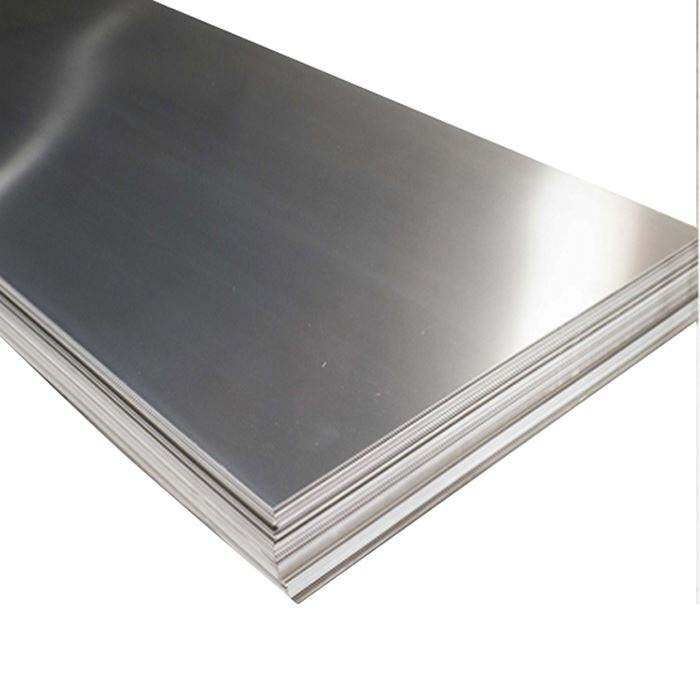
A stainless steel plate is a flat metal product that is manufactured by rolling stainless steel to a specified thickness, width, and length. It combines the structural and fabrication characteristics of steel with corrosion resistance, which is primarily provided by chromium. Depending on its alloy composition and how it is manufactured, a stainless steel plate may also offer good weldability, formability, heat resistance, toughness, or strength. These properties make stainless steel plates useful for industrial equipment, chemical processing, construction, food production, energy systems, transportation, and many other applications where ordinary carbon steel would require more maintenance.
The term ‘stainless plate’ is widely used in industrial purchasing, but does not describe a single material grade. Products sold under this name may include austenitic grades such as 304 and 316L, ferritic grades such as 430, duplex grades such as 2205, and other specialised alloys. Each grade has a different balance of alloying elements and performance characteristics. For example, a plate suitable for a decorative panel or kitchen work surface may not be the best choice for a chloride-rich marine environment, a pressure vessel, or equipment exposed to aggressive chemicals. Therefore, buyers should specify the grade and relevant standard rather than ordering by the generic product name alone.
Stainless steel plate is also distinct from stainless steel sheet, although suppliers sometimes use the terms interchangeably in catalogues. In many North American specifications, ‘plate’ generally refers to flat-rolled material that is at least 3/16 inch (approximately 4.76 mm) thick, while thinner products are commonly classified as ‘sheet’. However, the applicable product standard and regional convention should be checked, as terminology and dimensional limits can vary. For procurement and engineering purposes, the most reliable description includes the material grade, dimensions, surface condition, delivery requirements, and governing specification.
How Is Stainless Steel Plate Manufactured?
The production of stainless steel plate begins with the careful selection of raw materials, including stainless steel scrap, iron, chromium, and other alloying elements, such as nickel or molybdenum, depending on the desired grade. These materials are melted and refined to achieve the desired chemical composition. The molten steel is then cast into a semi-finished form, typically a slab, which serves as the initial material for rolling. Controlling the composition is important because even small differences in the content of alloys can affect corrosion resistance, strength, weldability, and how the steel responds to heat treatment.
The slab is reheated and rolled to reduce its thickness and establish the required dimensions. Hot rolling is commonly used to produce thicker stainless steel plates, though additional processing may be required to meet dimensional tolerances, mechanical properties, and surface requirements. Depending on the grade and production route, the material may undergo annealing to restore or develop the intended metallurgical condition. This is followed by pickling or other descaling operations to remove oxide scale. Leveling, cutting, edge preparation, grinding, and surface finishing may then be applied before inspection and delivery. The exact process varies according to the grade, thickness, and end-use specification.
Manufacturing is not complete simply because a plate has reached its nominal dimensions. Producers may also check the thickness, flatness, surface condition, chemical composition, and mechanical properties against the purchase specification. For critical applications, buyers may require material test certificates, traceability, specified testing, or third-party inspection. These checks are particularly important when the plate is to be welded into pressure equipment, used in a regulated project, or exposed to a demanding operating environment.
Common Stainless Steel Plate Grades and Their Properties
The grade is one of the most important factors when choosing a stainless plate because it determines the material’s chemical composition and helps define its performance limits. The most familiar grades are not interchangeable: 304 is a versatile general-purpose option, 316L is often preferred for more demanding chloride exposure, 430 can be economical for less aggressive environments, and duplex 2205 offers a combination of high strength and corrosion resistance. These are general selection patterns rather than universal rules; actual performance depends on the environment, product condition, fabrication, and maintenance.
| Stainless steel grade | Main characteristics | Common applications | Key selection consideration |
| 304 / 304L | General-purpose austenitic stainless steel with good corrosion resistance and formability | Food-processing equipment, tanks, architectural panels, general fabrication | Suitable for many everyday environments, but may be vulnerable to chloride-induced pitting |
| 316 / 316L | Austenitic stainless steel containing molybdenum for improved resistance to many chloride-related corrosion conditions | Marine components, chemical equipment, pharmaceutical facilities, coastal structures | Often preferred over 304 in more corrosive environments, but not immune to all seawater or chemical attack |
| 430 | Ferritic stainless steel with little or no nickel compared with common 300-series grades | Appliances, decorative panels, indoor equipment, selected automotive components | Cost-effective for suitable environments, but generally less formable and less corrosion-resistant than 304 in many conditions |
| 2205 duplex | Ferritic-austenitic structure combining relatively high strength with good corrosion resistance | Chemical processing, offshore equipment, selected pressure systems | Requires suitable welding procedures and careful control of fabrication conditions |
| 410 | Martensitic stainless steel that can be heat-treated for higher strength and hardness | Wear-resistant components, industrial parts, selected mechanical applications. | Corrosion resistance and fabrication requirements differ from common austenitic grades. |
Grade selection should be based on the actual service conditions rather than familiarity or purchase price alone. For example, 316L may be a more suitable choice than 304L for certain chloride-exposed components, but neither should be assumed suitable for every seawater application. Likewise, duplex stainless steel may enable a thinner design because of its higher strength, but that benefit must be confirmed through engineering calculations and the applicable design code. Always verify the required chemical composition, mechanical properties, and delivery condition against the relevant material specification.
What Are the Main Applications of Stainless Steel Plate?
- Construction and architecture
Stainless steel plate is used in building components, cladding, entrance features, structural details, protective panels, and interior design elements. Its clean appearance and resistance to atmospheric corrosion make it attractive for projects where durability and appearance must be maintained over time. Surface finishes can range from industrial and brushed textures to polished finishes, allowing designers to coordinate the metal with glass, stone, concrete, and other materials. In outdoor applications, however, the selected grade must account for local pollution, coastal salt exposure, cleaning practices, and water drainage.
- Food, beverage, and pharmaceutical processing
Processing equipment may use stainless steel plates for tanks, hoppers, platforms, machine frames, and other fabricated components. The material’s corrosion resistance and ability to be cleaned make it useful in environments where hygiene is important. Yet the word stainless does not automatically mean that every plate is appropriate for food-contact or pharmaceutical service. The chosen grade, surface finish, weld quality, cleaning chemicals, and equipment design must collectively meet the requirements of the specific application.
- Chemical and energy industries
Chemical processing plants use stainless steel plate in selected vessels, storage tanks, heat exchangers, equipment housings, and fabricated systems exposed to corrosive media. Energy projects may also use it in equipment that needs a combination of mechanical performance, corrosion resistance, and reliable fabrication. In these settings, material selection requires detailed knowledge of the operating temperature, chemical concentration, pressure, contaminants, and expected service life. A grade that performs well in one chemical solution may corrode rapidly in another, so engineering review is essential for critical equipment.
- Transportation and industrial manufacturing
Stainless plate can be fabricated into machine guards, industrial enclosures, transport components, structural assemblies, and wear- or corrosion-resistant parts. The correct choice depends on whether the main requirement is strength, formability, resistance to road salts, surface appearance, or ease of welding. Fabricators may cut, bend, drill, machine, or weld the plate before installation. These operations can affect the final component’s dimensions and surface condition, so material properties and fabrication procedures should be considered together rather than as separate purchasing decisions.
Stainless Steel Plate vs. Stainless Steel Sheet
Although both products are flat-rolled stainless steel, the distinction between plate and sheet is useful when selecting stock for manufacturing. Plate is generally associated with greater thickness and applications involving more substantial sections, while sheet is commonly used for lighter panels, enclosures, appliance parts, and formed components. Thickness alone does not determine whether a material is suitable: alloy grade, mechanical properties, flatness, surface finish, and the required tolerances remain important.
| Comparison factor | Stainless steel plate | Stainless steel sheet |
| Typical thickness | Generally thicker; often 3/16 inch (4.76 mm) or more under common North American conventions | Generally thinner than plate under the same conventions |
| Typical production route | Frequently hot-rolled, with further treatment or finishing as specified | Commonly supplied through cold-rolled or other finishing routes, depending on thickness and requirements |
| Common applications | Heavy-duty fabricated equipment, base plates, tanks, industrial structures | Cabinets, appliance panels, enclosures, decorative surfaces |
| Handling and fabrication | May require heavier cutting and lifting equipment as thickness increases | Often easier to handle and form for light-gauge applications |
| Purchasing priorities | Thickness tolerance, flatness, grade, mechanical properties, and certification | Surface quality, dimensional accuracy, formability, finish, and grade |
These are practical distinctions, not substitutes for a governing standard. For example, ASTM A240/A240M covers chromium and chromium-nickel stainless steel plate, sheet, and strip for pressure-vessel and general applications, while other standards may apply to different product categories or service requirements. The correct specification should be confirmed from the design documents and supplier’s technical documentation before an order is placed.
How to Choose the Right Stainless Plate?
A reliable purchasing decision begins with the conditions the plate must withstand. The lowest quoted price may not deliver the best long-term value if the grade is poorly matched to the environment or if the material requires premature replacement. Engineers, fabricators, and procurement teams should establish the material requirements before comparing suppliers.
- Identify the service environment. Determine whether the plate will encounter fresh water, salt spray, cleaning chemicals, acids, high temperatures, abrasion, or outdoor pollution. For corrosive environments, identify the actual chemical species and operating conditions instead of relying on broad descriptions such as “chemical-resistant.”
- Specify the grade and standard. State the required stainless steel grade and the applicable material specification, such as ASTM A240/A240M where appropriate. If the project uses an EN or another regional standard, verify the exact designation and whether the proposed material is acceptable under the design requirements.
- Confirm dimensions and tolerances. Specify thickness, width, length, flatness, edge condition, and any cutting or machining requirements. Nominal dimensions alone may be insufficient for parts that must fit tightly into a fabricated assembly or meet pressure-equipment requirements.
- Choose the surface finish. Hot-rolled, pickled, brushed, and polished surfaces have different appearances and may require different levels of subsequent processing. Select a finish based on the end use, cleaning requirements, visual expectations, and whether the surface will be further fabricated.
- Check welding and forming requirements. If the plate will be welded, bent, or machined, confirm that the selected grade and delivery condition are suitable for the process. Some grades require more specialized fabrication controls than others, particularly duplex and heat-resistant stainless steels.
- Review documentation and traceability. For industrial or regulated projects, confirm the need for material test certificates, heat numbers, inspection reports, and any specified third-party verification. The paperwork should identify the supplied material clearly enough to link it to the relevant purchase requirements.
- Compare total delivered cost. Include cutting, finishing, packaging, transport, inspection, and expected maintenance where relevant. A slightly more expensive plate may be more economical over its service life if it reduces fabrication waste, downtime, corrosion-related repairs, or replacement frequency.
What Affects the Price of Stainless Steel Plate?
The price of stainless steel plate is influenced by more than just weight. The alloy content of the grade can have a substantial effect, particularly when the price of nickel or molybdenum changes. Other factors that can influence the quotation include thickness, width, length, finish, dimensional tolerances, order quantity, availability, certification, and delivery requirements. Special dimensions or grades requiring additional processing may incur extra charges compared to standard stock sizes. Stainless steel producers such as Outokumpu describe their pricing structure as comprising a base price, product-related extras, and alloy surcharges. However, the exact commercial terms vary by supplier and market.
When comparing quotations, ensure that the offers cover equivalent materials and conditions. A low-priced plate may differ from a higher-priced alternative in terms of grade, thickness tolerance, finish, certification, or delivery terms. Requesting a clearly itemised quotation and confirming the applicable standard can help to prevent misunderstandings. For ongoing projects, it is also useful to establish whether the price is fixed for a defined period or may change due to alloy surcharges and market conditions.
Stainless Steel Plate FAQs
- What is a stainless steel plate used for?
Stainless steel plate is used to manufacture tanks, industrial equipment, architectural components, machine parts, and food-processing systems. Its suitability depends on the grade, thickness, corrosion environment, and fabrication requirements.
- What is the difference between stainless steel plate and sheet?
Plate is generally thicker than sheet, although the exact dividing point depends on the applicable standard and regional convention. Sheet is often used for lighter panels and formed components, while plate is commonly selected for heavier fabrication.
- Which stainless steel plate grade is best?
Grade 304 is a common general-purpose option, while 316L is often considered for environments with greater chloride-related corrosion risk. The best grade depends on the operating environment, required properties, budget, and applicable engineering specification.
- Is stainless steel plate rust-proof?
No, stainless steel is not completely immune to corrosion under every condition. Its chromium-rich passive layer provides protection, but unsuitable grades, chloride exposure, contamination, and poor maintenance can still cause staining, pitting, or other corrosion.
- What standard covers stainless steel plate?
ASTM A240/A240M is a widely used specification for chromium and chromium-nickel stainless steel plate, sheet, and strip. Other standards may apply depending on the grade, intended use, region, and whether the product is intended for pressure service.
- How do you choose stainless steel plate thickness?
Thickness should be determined by the component’s loads, span, operating pressure where applicable, corrosion allowance, fabrication method, and governing design code. Critical structural or pressure-containing components should be sized and verified by a qualified engineer rather than selected from a general-purpose thickness chart.
Conclusion
A stainless steel plate is a versatile flat-rolled material whose performance depends on the relationship between its alloy composition, how it is manufactured, its dimensions, its surface finish, and its service environment. Common grades such as 304, 316L, 430 and 2205 have different applications, so the correct choice should be based on verified requirements rather than assuming that all stainless steels offer the same corrosion resistance or mechanical properties.
The most effective approach for buyers is to specify the grade, material standard, dimensions, finish, tolerances, and required documentation before comparing suppliers. This enables more meaningful price comparisons and helps to ensure that the selected stainless steel plate is suitable for fabrication and long-term use.