

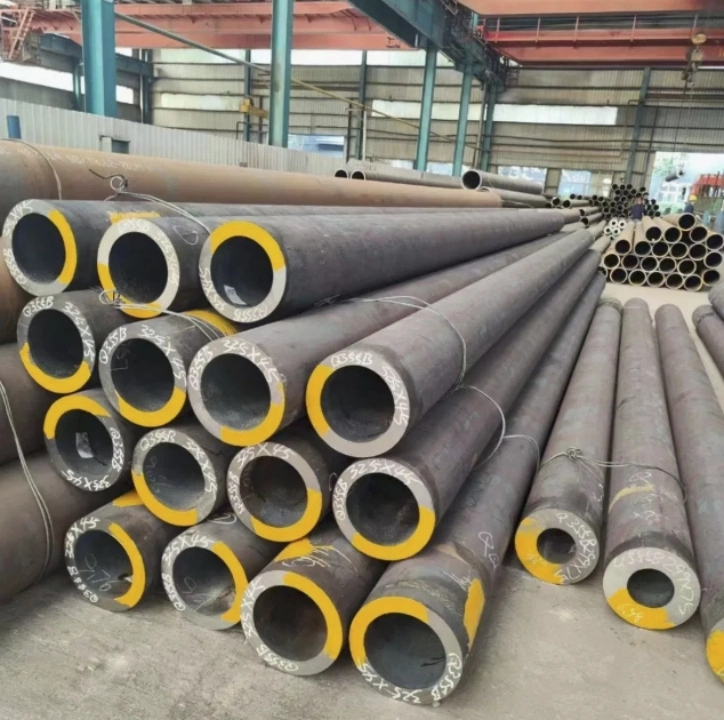
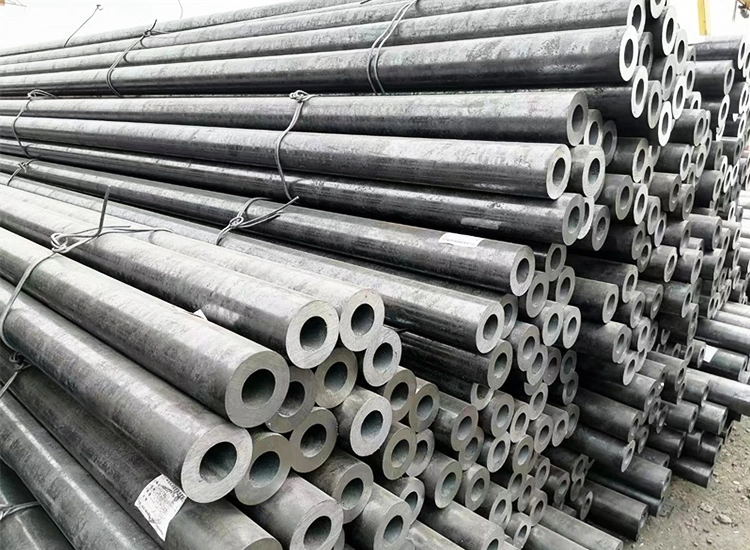
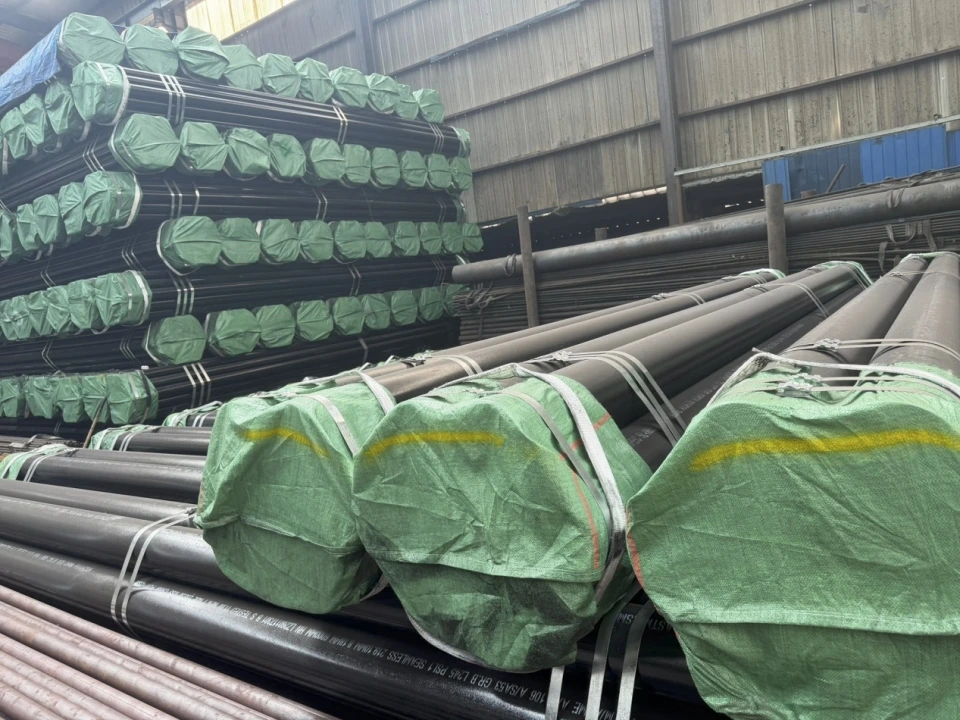
Quick Answer: Carbon steel is not inherently better than steel because it is itself a type of steel. A more meaningful comparison would be between carbon steel and other types of steel, such as stainless steel and alloy steel. Carbon steel is often the most cost-effective choice for structural components, pipes, plates, and machinery parts. However, stainless steel generally performs better in corrosive environments, and specially formulated alloy steels can provide advantages in terms of strength, toughness, heat resistance or wear resistance. According to the World Steel Association, steel is an iron–carbon alloy with a wide range of grades and properties. The ASM Handbook, meanwhile, details how composition, processing, and heat treatment affect steel performance.
What Is the Difference Between Carbon Steel and Steel?
The main difference is that steel is a broader material category, whereas carbon steel is a specific type of steel. Steel is primarily made from iron and carbon, with controlled amounts of other elements that influence its mechanical and chemical properties. Depending on its composition and intended performance, steel can be categorised as carbon steel, alloy steel, stainless steel, tool steel or other specialised grades. These categories overlap in some technical classification systems, so material specifications are more important than a product’s general label.
Carbon steel is characterised primarily by its carbon content, with manganese and small quantities of other elements also present. Unlike stainless steel, which contains at least 10.5% chromium under the commonly accepted definition, ordinary carbon steel does not rely on a high chromium content for corrosion resistance. This difference helps to explain why carbon steel is widely used in situations where strength, availability, fabrication, and cost are priorities, while stainless steel is frequently selected for applications involving moisture, chemicals, sanitation requirements, or exposure to corrosive substances.
Therefore, the question “Is carbon steel better than steel?” should be reframed as “Which steel grade is better for this application?” Low-carbon structural steel, high-carbon tool steel, chromium-containing stainless steel, and heat-resistant alloy steel may all be suitable for different jobs. Still, their performance cannot be accurately compared without considering the required properties and service conditions.
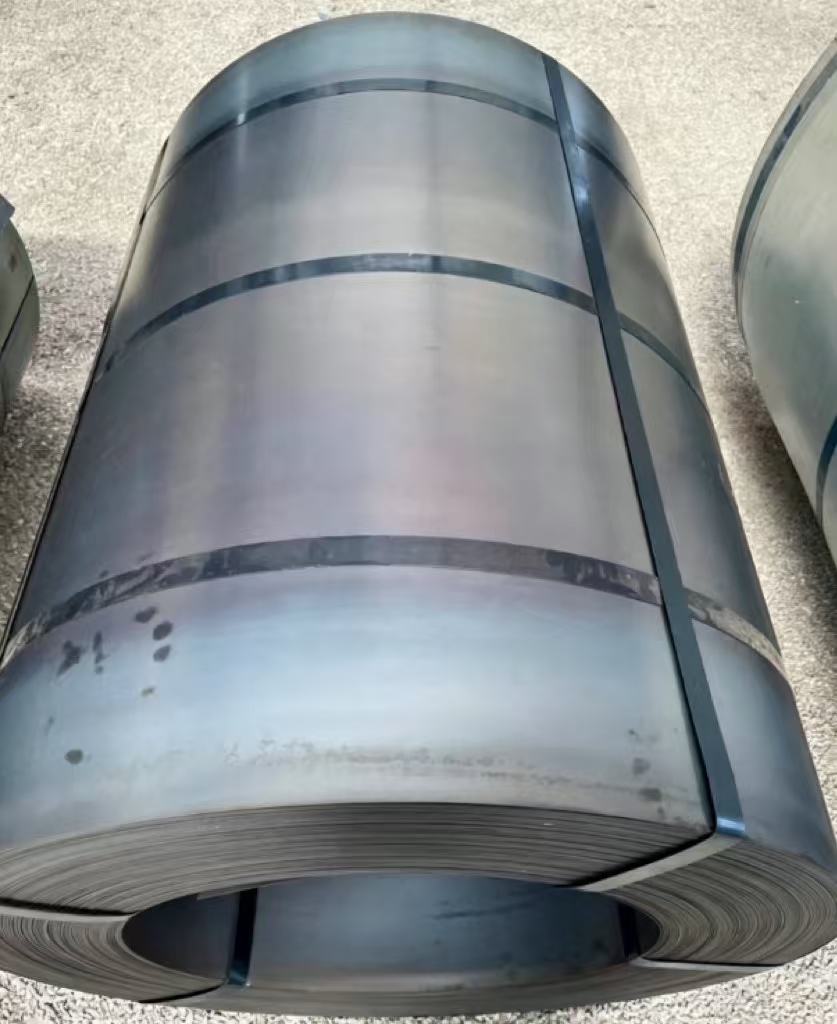
Types of Carbon Steel and Their Properties
Carbon steel is commonly grouped into low-carbon, medium-carbon, and high-carbon grades. The boundaries vary somewhat by standard and application, so the ranges below are useful general guidelines rather than universal purchasing specifications.
- Low-carbon steel
Low-carbon steel typically contains up to around 0.25% carbon. Its relatively low carbon content generally results in good formability, ductility and weldability, making it suitable for sheet metal, welded structures, general-purpose tubing, automotive body components and many other fabricated products. It is often easier to form and weld than higher-carbon grades, although exact performance depends on steel grade, thickness, manufacturing process and welding procedure.
The main limitation of low-carbon steel is that it does not normally achieve the same hardness and wear resistance as high-carbon steel through conventional heat treatment. However, for applications requiring a combination of strength and formability, low-carbon steel can be a practical and economical solution. Some advanced low-carbon steel grades also achieve higher strength through controlled alloying and processing, which demonstrates that carbon percentage alone cannot predict all mechanical properties.
- Medium-carbon steel
Medium-carbon steel typically contains between 0.25% and 0.60% carbon by weight. Compared with low-carbon grades, it can generally achieve greater strength and hardness, particularly when subjected to the appropriate heat treatment. This makes it ideal for use in shafts, axles, gears, and other machine components that must withstand repeated loading or moderate wear.
However, increased carbon content can reduce ductility and weldability, and the response to heat treatment depends on section size and the steel’s hardenability. Therefore, engineers should verify the specified grade and treatment condition rather than assuming that all medium-carbon steel components have the same strength or toughness.
- High-carbon steel
High-carbon steel commonly contains around 0.60% to 1.0% carbon, although definitions and grade ranges vary. It can achieve high hardness and wear resistance after appropriate heat treatment, which is valuable for springs, cutting tools, high-wear components, and certain industrial blades. These properties make it useful where resistance to deformation or abrasion is more important than easy forming.
Higher carbon content also introduces challenges. High-carbon steel is generally less ductile and more difficult to weld than low-carbon steel, and its toughness can be inadequate if the grade, heat treatment, or design is poorly matched to the application. Selecting it solely because it is “harder” can lead to cracking or premature failure where impact resistance or flexibility is more important.
Carbon Steel vs. Other Steel Types: Key Differences
When people compare carbon steel with “steel,” they usually mean carbon steel versus stainless steel or alloy steel. These materials are not universally better or worse than one another; each offers a different balance of properties.
| Comparison factor | Carbon steel | Stainless steel | Alloy steel |
| Main composition | Iron and carbon, with controlled residual or limited additional elements | Iron and carbon with at least 10.5% chromium; other elements may be added | Steel with specified alloying additions such as chromium, nickel, molybdenum, or vanadium, depending on grade |
| Corrosion resistance | Usually limited without coatings, inhibitors, or protective maintenance | Generally better because chromium enables a passive protective film | Varies widely by alloy composition and environment |
| Strength and hardness | Broad range, strongly influenced by carbon content, processing, and heat treatment. | Varies by grade; some grades emphasize corrosion resistance, others strength or hardenability. | Can be engineered for specific strength, toughness, wear, or temperature requirements |
| Weldability | Often good in low-carbon grades; more demanding as carbon content rises | Depends on grade, thickness, and welding procedure | Depends on composition, hardenability, and fabrication method |
| Relative material cost | Often economical for common grades | Often higher, depending on grade and market conditions | Highly variable; specialized grades can be costly |
| Common applications | Structural steelwork, pipes, plates, machinery, and fabricated components | Food-processing equipment, chemical systems, architectural components, and corrosive environments | Gears, shafts, pressure-related components, heavy machinery, and specialized engineering parts |
The table summarizes typical tendencies, not guaranteed properties. For example, some stainless steels are designed for high strength, while some alloy steels are optimized for toughness rather than corrosion resistance. Procurement decisions should be based on the material standard, grade designation, mechanical-property requirements, corrosion conditions, and any applicable industry code.
Is carbon steel stronger than stainless steel?
There is no one-size-fits-all answer. While some stainless grades prioritise corrosion resistance and formability, certain carbon steels can reach high strength and hardness. Other stainless steel grades, including martensitic and precipitation-hardening types, can achieve substantial strength through suitable processing. To make a meaningful comparison, the exact grades must be specified, as well as the relevant measure: yield strength, tensile strength, hardness, impact toughness, or fatigue performance.
Is carbon steel cheaper than other steel types?
Carbon steel is often cheaper than stainless steel because common carbon steel grades do not require the same additions of chromium and nickel as many stainless steel grades. However, the price of raw materials is only one part of the total cost. Factors such as surface protection, inspection, maintenance, fabrication, replacement frequency, and downtime can also influence the overall economics. While carbon steel may have a lower initial purchase price, a corrosion-resistant material may be more economical over the full service life in a demanding environment.
Advantages of Carbon Steel in Industrial Applications
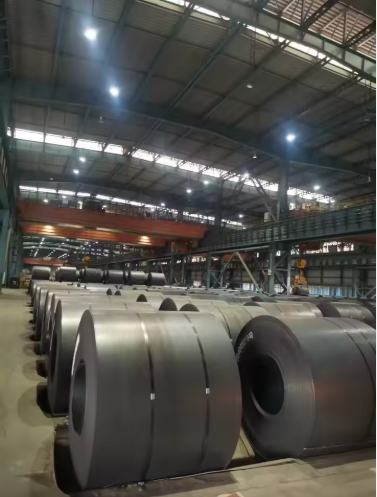
Carbon steel remains a popular engineering material due to its broad availability and useful range of mechanical properties and manufacturing options. It can be supplied in various forms, such as plates, sheets, coils, bars, wires, structural sections and tubular products, enabling manufacturers to select the most suitable form for the component being produced. Common carbon-steel grades provide the required performance for many building projects, industrial facilities, general-purpose pipelines, and machinery assemblies without incurring the material costs associated with more specialised alloys.
Its key advantages include:
- Cost-effective material selection. Common carbon-steel grades are widely produced and available in many product forms, which can help control material and fabrication costs.
- Versatile fabrication. Many low-carbon grades can be cut, formed, welded, machined, and joined using established manufacturing processes, subject to grade and thickness requirements.
- Adjustable mechanical properties. Carbon content, rolling conditions, cold working, and heat treatment can be used to obtain different combinations of strength, hardness, and ductility.
- Broad industrial availability. Standardized grades and established supply chains make carbon steel a practical option for manufacturers, fabricators, contractors, and equipment producers.
These advantages are most valuable when the steel grade is matched to its working conditions. For example, a low-carbon steel plate used in a welded frame has different design priorities from a high-carbon steel component used in a wear-intensive mechanism. Specifying “carbon steel” alone is not enough: buyers should identify the relevant standard, grade, dimensions, delivery condition, and required mechanical properties.
Limitations of Carbon Steel: When Is Another Steel Better?
The main drawback of ordinary carbon steel is its relatively poor corrosion resistance in wet or chemically aggressive environments. When unprotected carbon steel is exposed to water and oxygen, it can rust; salt, industrial pollutants, acids and other chemicals can accelerate this process depending on the exposure conditions. While paint, galvanising, protective coatings, suitable corrosion inhibitors or a well-designed maintenance programme can reduce this risk, each approach has installation and lifecycle implications.
Carbon steel may also be an unsuitable choice where high-temperature stability, very low-temperature toughness, resistance to specific chemicals or a tightly controlled combination of mechanical properties is required. In such cases, an alloy or stainless steel grade may be a more reliable solution. Nevertheless, stainless steel is not immune to all forms of corrosion, and alloy steel is not necessarily stronger or more durable than carbon steel. Performance depends on the specific material grade, heat treatment, environment, loading conditions, and fabrication quality.
The practical lesson for manufacturers is to evaluate both the material and the environment in which it will operate. For example, a carbon-steel pipe carrying a compatible fluid under controlled conditions may be an economical choice, whereas a pipe exposed to chloride-rich water may require a different grade, lining, coating, or corrosion-control strategy. Similarly, structural steel in a building may perform reliably with an appropriate protective system, whereas a component exposed to repeated abrasion may require a harder grade or surface treatment.
How to Choose the Right Steel for Your Project?
A sound steel-selection decision starts with the component’s performance requirements rather than the assumption that one steel family is superior. Engineers, procurement teams, and manufacturers should evaluate the following factors before placing an order.
- Define the mechanical requirements
Identify the loads and failure modes the component must withstand. Tensile strength and yield strength are essential for many structural applications, but hardness, impact toughness, fatigue resistance, ductility, and wear resistance may be equally important in machinery and moving components. If the part will experience repeated impacts or cyclic loads, choosing a grade based only on its maximum tensile strength can be misleading.
- Assess the service environment
Consider exposure to moisture, salt, chemicals, outdoor weather, elevated temperatures, and temperature cycling. The correct material for an indoor machine frame may not be appropriate for a coastal installation or a chemical-processing facility. Where corrosion is a concern, compare the cost of carbon steel plus a protective system against the cost and expected service life of a more corrosion-resistant grade.
- Confirm fabrication and processing requirements
The intended manufacturing route can strongly influence material suitability. Welding, bending, machining, forming, and heat treatment each impose different requirements, and carbon content can affect weldability and hardening behavior. For critical components, use the applicable material specification and consult the fabricator or metallurgist to verify that the grade can be processed without compromising performance.
- Check standards and documentation
A purchase order should identify the required grade and governing standard, along with dimensions, tolerances, delivery condition, mechanical properties, and inspection requirements. Depending on the application, documentation may include a mill test certificate, chemical composition results, tensile-test data, impact-test results, or other evidence of conformity. Product descriptions such as “strong carbon steel” are too vague to support reliable engineering or procurement decisions.
- Compare total lifecycle cost
The lowest purchase price does not always produce the lowest overall cost. Buyers should consider material price, machining and welding time, coating requirements, inspection, maintenance, expected service life, and the consequences of premature failure. A common carbon-steel grade may be ideal for a low-cost, easily maintained structure, while a more specialized grade can justify its higher price where downtime, corrosion, or replacement is expensive.
Carbon Steel Applications Across Different Industries
Carbon steel is widely used in construction, manufacturing, transportation, energy infrastructure, and general engineering due to its versatility. In construction, for example, structural sections, plates and reinforcing products are selected according to design codes, load requirements and environmental exposure. In industrial manufacturing, carbon steel bars, sheets and plates are processed into brackets, machine frames, housings, supports and fabricated assemblies.
Pipes and tubular products represent another important application area. Carbon steel pipes may be specified for water systems, industrial services, structural uses, and other applications where the grade, pressure rating, corrosion protection, and applicable standard are suitable. However, the material designation alone does not guarantee that a pipe is suitable for a specific application; factors such as fluid compatibility, operating pressure, temperature, wall thickness, welding requirements, and inspection criteria must also be considered.
In automotive and machinery production, different carbon steel grades are used for a variety of purposes, ranging from formed sheet components to shafts, gears, and wear-resistant parts. Low-carbon grades support forming and welding operations, while higher-carbon grades are used where hardness or heat treatment response is required. These examples also demonstrate why carbon steel should not be considered a single, uniform material, as two grades within the same family can behave very differently under manufacturing and service conditions.
Frequently Asked Questions About Carbon Steel
- Is carbon steel better than regular steel?
Carbon steel is a type of steel, so it is not inherently better than steel as a whole. It is often a good choice for strength, fabrication, and cost, while other steel grades may be better for corrosion resistance, specialized strength, or high-temperature service.
- Is carbon steel stronger than stainless steel?
Some carbon-steel grades are stronger or harder than some stainless-steel grades, but the result depends on the specific grades and their processing conditions. Compare yield strength, tensile strength, hardness, and toughness using the relevant material specifications rather than relying on the steel family name alone.
- Does carbon steel rust easily?
Unprotected carbon steel can rust when exposed to moisture and oxygen, and salt or certain chemicals can accelerate corrosion. Paint, galvanizing, protective coatings, and suitable maintenance can help extend its service life.
- Is carbon steel cheaper than stainless steel?
Common carbon-steel grades often cost less than stainless steel because they generally require fewer expensive alloying elements. However, corrosion protection, maintenance, replacement, and downtime should also be included when comparing total lifecycle costs.
- What are the main disadvantages of carbon steel?
Its principal limitations include relatively low corrosion resistance without protection and, in higher-carbon grades, reduced ductility and more demanding welding requirements. Depending on the application, another steel family may be preferable when corrosion resistance, specialized toughness, or high-temperature performance is critical.
- What is the best carbon steel for industrial use?
There is no single best carbon-steel grade for every industrial application because the required strength, formability, weldability, hardness, and service conditions differ. Choose a grade that meets the relevant engineering standard and verify its mechanical properties, processing requirements, and corrosion-protection needs before purchasing.
Conclusion: Is Carbon Steel the Better Choice?
Although carbon steel is often an excellent engineering material, calling it ‘better than steel’ is technically inaccurate, as it belongs to the steel family. Its combination of availability, cost, fabrication versatility, and adjustable mechanical properties makes it suitable for many structural, manufacturing, piping, and machinery applications. However, stainless steel may be the better choice where corrosion resistance is the primary requirement, while alloy steel can be advantageous when a component requires a specific combination of strength, toughness, wear resistance, or temperature performance.
The best approach for industrial buyers and engineers is to compare specific grades against measurable requirements rather than broad material labels. It is important to confirm the applicable standard, chemical composition, mechanical properties, processing conditions, environmental exposure, and lifecycle cost before making the final selection. This process helps to ensure that the chosen carbon steel — or alternative steel grade — delivers the performance and reliability required by the application.