

Article Summary: Yes, alloy steel and stainless steel are different, although stainless steel is technically a specialized type of alloy steel. The key distinction lies in their chromium content and corrosion behavior. Stainless steel typically contains at least 10.5% chromium, which helps form a protective passive surface film. In contrast, many low-alloy steel grades are primarily designed to enhance strength, toughness, creep resistance, and high-temperature performance rather than corrosion resistance. The Nickel Institute’s Stainless Steel: The Basics and ASTM A335/A335M, the standard for seamless ferritic alloy steel pipe used in high-temperature applications, are authoritative references for understanding this distinction.
What Is the Difference Between Alloy Steel and Stainless Steel?
Both alloy steel and stainless steel are iron-based materials that contain additional elements which modify their properties. The difference is not simply that one contains alloying elements and the other does not. In fact, stainless steel belongs to the broader family of alloy steels. The important distinction lies in the type and proportion of alloying elements — particularly chromium — and the performance characteristics the material is designed to achieve.
Alloy steel typically contains controlled amounts of elements like chromium, molybdenum, nickel, manganese, vanadium, and silicon. These elements can improve strength, hardness, wear resistance, toughness, hardenability, and resistance to elevated temperatures. Low-alloy steel grades are commonly selected for pressure equipment, boilers, power plants, refineries, and industrial piping, as mechanical performance under demanding operating conditions is prioritized.
By comparison, stainless steel is primarily defined by its chromium content and ability to develop a protective passive film. Generally, stainless steel contains at least 10.5% chromium by mass. When exposed to oxygen, chromium helps form a thin, chromium-rich oxide layer on the surface. This layer slows further corrosion and reforms when the surface is exposed to suitable conditions. Nickel, molybdenum, nitrogen, and other elements may be added to improve specific properties, including ductility and resistance to localized corrosion.
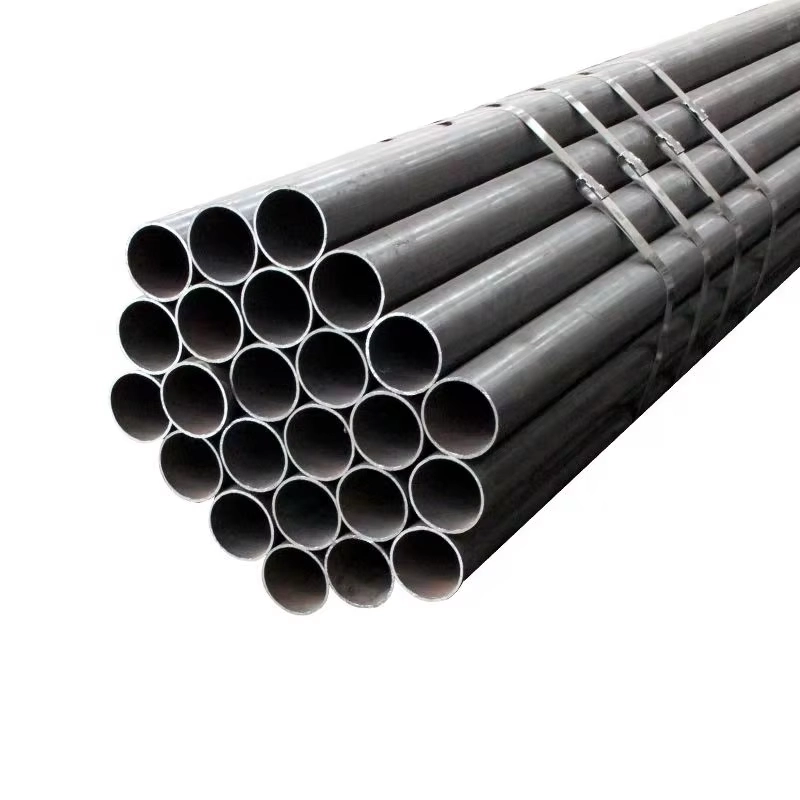
For buyers comparing Alloy Steel Pipe with stainless steel pipe, the practical question is therefore not which material is universally better. It is whether the pipe needs to withstand high temperature, pressure, mechanical stress, corrosive media, or a combination of these conditions. A material that performs well in a high-temperature steam line may not be the most economical choice for a seawater system, and a stainless grade with good atmospheric corrosion resistance may not automatically be suitable for every high-pressure or high-temperature application.
What Is Alloy Steel?
Alloy steel is steel to which elements other than carbon are added or controlled to achieve specific mechanical or physical properties. Common alloying elements include chromium, molybdenum, nickel, manganese, vanadium, tungsten, and silicon. The effects of these elements depend on the alloy’s composition, heat treatment, microstructure, and manufacturing process. For instance, chromium and molybdenum improve hardenability and high-temperature strength, while nickel contributes to toughness, especially in low-temperature applications.
Alloy steel is particularly important in industrial piping where carbon steel alone may not provide sufficient strength or resistance to temperature-related degradation. Alloy steel pipes are used in boiler systems, steam pipelines, petrochemical facilities, power generation equipment, and other installations operating under elevated temperatures or pressures. ASTM A335/A335M specifically covers seamless ferritic alloy steel pipe intended for high-temperature service, including grades with different chromium and molybdenum content.
Common Alloy Steel Pipe Grades
Several alloy steel grades are used in industrial piping. Their suitability depends on the design temperature, pressure, corrosion environment, fabrication requirements, and applicable engineering code.
- P11: A chromium-molybdenum alloy steel commonly used in elevated-temperature piping and power-generation applications.
- P22: A chromium-molybdenum grade used in high-temperature service, including certain boiler and steam piping systems.
- P5: A higher-chromium alloy steel grade used in applications requiring elevated-temperature performance and oxidation resistance.
- P9: A chromium-molybdenum alloy steel grade used in selected high-temperature industrial services.
- P91: A modified 9Cr-1Mo-type creep-strength-enhanced ferritic steel used in demanding high-temperature applications, subject to strict material, fabrication, and heat-treatment controls.
These designations are not interchangeable. For example, P11 and P22 differ in chemical composition and mechanical properties, while P91 has more demanding fabrication and heat-treatment considerations. Selection must be based on the applicable material specification, design code, and service conditions rather than grade name alone.

What Is Stainless Steel?
Stainless steel is an iron-based alloy that contains enough chromium to develop corrosion resistance through a process called passivation. Although its protective surface film is extremely thin, it can significantly slow the reaction between the underlying metal and the surrounding environment. This makes stainless steel suitable for many applications in which ordinary carbon steel or low-alloy steel would require additional corrosion protection.
However, stainless steel is not a single material. Rather, it is a large family of grades with different microstructures, compositions, and performance characteristics. Nickel and molybdenum are important components of many grades, but their presence and concentration vary. Austenitic grades are commonly selected for their general corrosion resistance and formability. Ferritic, martensitic, and duplex grades, on the other hand, provide different combinations of strength, toughness, magnetic behavior, and corrosion performance.
Common Stainless Steel Pipe Grades
- 304 / 304L: Widely used austenitic stainless steels for general industrial, food-processing, architectural, and water-related applications. Grade 304L has a lower carbon limit than 304, which can help reduce sensitization risks during certain welding conditions.
- 316 / 316L: Austenitic stainless steels containing molybdenum, generally offering improved resistance to pitting and crevice corrosion in chloride-containing environments compared with 304.
- 321: A titanium-stabilized austenitic stainless steel used in certain elevated-temperature applications.
- 410: A martensitic stainless steel that can be heat-treated to achieve higher hardness and strength, often used for components requiring wear resistance.
- Duplex 2205: A duplex stainless steel combining austenitic and ferritic microstructures, offering high strength and good resistance to several forms of localized corrosion.
The grade must still be matched to the actual environment. For example, 316L generally offers better resistance to chloride-related pitting than 304L, but it is not immune to corrosion in seawater or concentrated chloride solutions. The American Institute of Steel Construction’s guidance on stainless steel emphasizes that corrosion performance depends not only on alloy composition but also on environmental conditions, surface finish, crevices, deposits, and the type of corrosion involved.
Alloy Steel vs. Stainless Steel: Key Differences
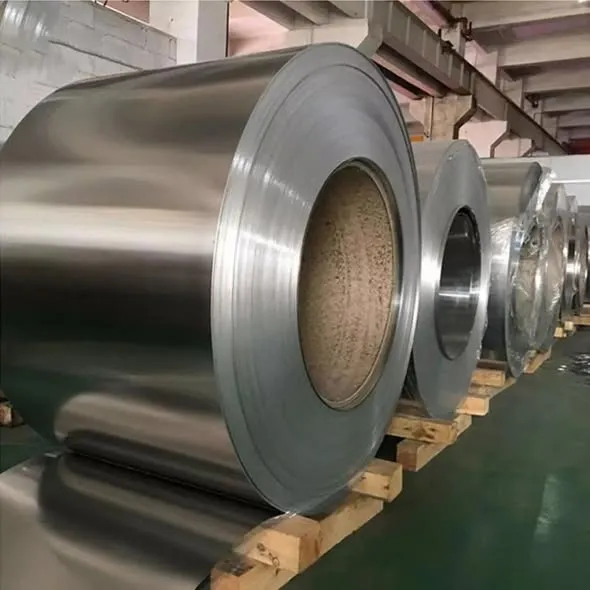
Both materials contain alloying elements, but they have different compositions and intended performances. Alloy steel is often engineered to improve mechanical strength, toughness, hardenability, and resistance to high-temperature deformation. Stainless steel is designed to resist corrosion through chromium-based passivation. However, individual stainless steel grades may also offer high strength, heat resistance, or wear resistance.
The following comparison highlights the main differences relevant to industrial pipe selection.
| Comparison factor | Alloy Steel Pipe | Stainless Steel Pipe |
| Material classification | Broad category of steels containing controlled alloying additions | A specialized alloy steel family, generally containing at least 10.5% chromium |
| Main design objective | Improve strength, toughness, hardenability, creep resistance, or high-temperature performance. | Provide corrosion resistance while meeting required mechanical and thermal properties. |
| Typical alloying elements | Chromium, molybdenum, nickel, manganese, vanadium, silicon | Chromium, nickel, molybdenum, nitrogen, titanium, and other elements |
| Corrosion resistance | Varies by grade; many low-alloy grades require coatings or other protection in corrosive environments. | Generally better corrosion resistance due to passivation, but varies significantly by grade and environment. |
| High-temperature performance | Certain grades are specifically designed for elevated-temperature and creep service. | Some grades perform well at high temperatures, but selection depends on oxidation, strength, and thermal conditions. |
| Common pipe applications | Boilers, steam lines, refineries, power plants, high-temperature process piping | Chemical processing, food and beverage, pharmaceuticals, water systems, and corrosive-service piping |
| Typical standards | ASTM A335/A335M for seamless ferritic alloy-steel pipe in high-temperature service | ASTM A312/A312M for seamless, welded, and heavily cold-worked austenitic stainless steel pipe |
| Relative purchasing cost | Often lower than high-alloy stainless grades, but depends on grade and processing. | Often higher for common corrosion-resistant grades, with significant variation by alloy and market |
One important point is that “alloy steel” is a broad material category, not a single grade with one fixed composition. Some alloy steels contain chromium, but that does not automatically make them stainless. ASTM A335/A335M, for example, covers ferritic alloy-steel pipe grades with chromium contents that can be below the level generally associated with stainless steel.
Chemical Composition: Why Chromium Makes a Difference
Chemical composition is the most direct way to understand the distinction between alloy steel and stainless steel. Both material families can contain chromium, nickel, and molybdenum, but the amount and purpose of each element differ. In low-alloy steel, chromium and molybdenum may be added to improve hardenability, strength, oxidation resistance, and performance at elevated temperatures. In stainless steel, chromium is present at a level that supports the formation of a protective passive film.
- The Role of Chromium
Chromium is the defining alloying element in stainless steel. When present in sufficient quantities, it reacts with oxygen to form a thin, adherent, chromium-rich oxide film on the metal’s surface. This passive layer reduces the rate of further oxidation and corrosion under suitable conditions. If the film is damaged, it can often reform when enough oxygen is present, which explains why stainless steel can maintain corrosion resistance during normal use.
However, chromium content alone does not determine a stainless steel grade’s full corrosion performance. For example, molybdenum can improve resistance to pitting and crevice corrosion, particularly in chloride-containing environments, while nitrogen can contribute to both strength and localized corrosion resistance. Surface condition, temperature, pH, chloride concentration, deposits, and crevice geometry also influence performance. Therefore, stainless steel should be selected based on the complete service environment rather than on chromium percentage alone.
- The Role of Molybdenum and Nickel
Molybdenum is important in several alloy steel and stainless steel grades, but it serves somewhat different design priorities. In chromium-molybdenum alloy steel pipes, it contributes to elevated-temperature strength and resistance to creep-related degradation. In stainless steel, molybdenum is commonly added to improve resistance to localized corrosion, especially pitting and crevice corrosion.
Nickel also has multiple functions. In many stainless steels, it helps stabilize the austenitic microstructure and contributes to ductility and toughness. In alloy steels, nickel can improve toughness and performance in certain low-temperature or high-stress applications. The effect of an element is therefore dependent on the full alloy composition and heat treatment, not simply on whether the element is present.
Applications: When Should You Use Alloy Steel Pipe or Stainless Steel Pipe?
The most appropriate material depends on the operating conditions of the piping system. Temperature, pressure, fluid composition, corrosion mechanisms, mechanical loads, fabrication requirements, and lifecycle cost should all be considered before specifying a pipe grade.
Applications of Alloy Steel Pipe
Alloy steel pipe is widely used in power generation, petrochemical processing, refineries, and industrial boiler systems. These installations may involve high-temperature steam, hot gases, or process fluids where the pipe must retain its mechanical properties over long operating periods. Chromium-molybdenum grades such as P11 and P22 are used in selected elevated-temperature services, while higher-performance grades such as P91 are specified for demanding applications under carefully controlled design and fabrication requirements.
Typical applications include:
- Power plants: Main steam, hot reheat, and other high-temperature piping systems where creep strength and long-term thermal performance are important.
- Oil refineries: Process piping and equipment connections operating at elevated temperatures, subject to the specific fluid chemistry and design requirements.
- Petrochemical plants: High-temperature process lines and selected pressure systems requiring strength and resistance to thermal degradation.
- Boiler systems: Steam and boiler-related piping designed to meet specified pressure and temperature conditions.
- Industrial heat-transfer systems: Piping that carries hot fluids or gases under controlled operating conditions.
Alloy steel is not automatically the best choice for every high-temperature system. Oxidation, sulfidation, hydrogen attack, corrosion, thermal cycling, and creep must be evaluated according to the actual process conditions. The relevant material grade and design margins should be established by the project engineer.
Applications of Stainless Steel Pipe
Stainless steel pipe is commonly used when corrosion resistance, cleanliness, or surface condition is a major requirement. Its applications include food and beverage production, pharmaceutical manufacturing, chemical processing, water treatment, marine equipment, and architectural systems. Different grades are selected according to the type and concentration of corrosive substances, operating temperature, and mechanical requirements.
Typical examples include:
- Food and beverage processing: Stainless steel piping is used in product-contact systems where cleanability, corrosion resistance, and suitable hygienic design are important.
- Pharmaceutical manufacturing: Selected stainless grades are used in process lines and utility systems requiring controlled surface conditions and cleaning procedures.
- Chemical processing: Stainless steel grades are selected for compatibility with particular acids, alkalis, solvents, and process fluids.
- Water treatment: Stainless steel may be used in piping exposed to water chemistry that would cause unacceptable corrosion in unprotected carbon or low-alloy steel.
- Marine and coastal installations: Suitable stainless grades can provide improved resistance to atmospheric corrosion and some marine environments, although seawater exposure requires careful grade selection.
Stainless steel is not corrosion-proof. Chloride-rich water, stagnant conditions, crevices, deposits, and elevated temperatures can cause pitting, crevice corrosion, or stress corrosion cracking in susceptible grades. For severe seawater service, ordinary 304 or 316 stainless steel may be unsuitable; duplex, super duplex, or other specialized materials may need to be evaluated.
How to Choose Between Alloy Steel Pipe and Stainless Steel Pipe?
When choosing between alloy steel and stainless steel, consider the operating requirements rather than the material’s general reputation or purchase price. For example, a low-alloy pipe may be the better option for a high-temperature steam line, while a stainless steel grade may be more suitable for a process line exposed to corrosive chemicals. In some installations, both materials are used in different sections of the same system because operating conditions vary throughout the plant.
Before specifying a pipe, engineers and procurement teams should evaluate the following factors:
- Operating temperature: Determine the normal, maximum, and potential upset temperatures. For elevated-temperature service, consider creep strength, oxidation, thermal cycling, and long-term material stability.
- Operating pressure and mechanical loads: Confirm the design pressure, wall thickness, external loads, vibration, and applicable design margins. The selected material must satisfy the mechanical requirements of the piping code.
- Fluid composition and corrosion risks: Identify the transported medium, including chloride concentration, pH, dissolved gases, contaminants, and possible changes in process chemistry. Corrosion resistance must be assessed under actual operating conditions.
- Welding and fabrication: Review weldability, preheating, post-weld heat treatment, filler-metal selection, and inspection requirements. Certain alloy steel grades, particularly creep-strength-enhanced ferritic steels, require strict control of welding and heat treatment.
- Lifecycle cost: Consider more than the initial purchase price. Installation, welding, protective coatings, inspection, maintenance, replacement frequency, and potential downtime can have a substantial effect on total ownership cost.
- Material traceability and certification: Confirm the required material standard, grade, dimensions, testing, inspection, and documentation. For critical piping, material certificates and traceability should be consistent with the purchase specification and project quality requirements.
A useful procurement practice is to specify the full material designation rather than ordering simply “alloy steel pipe” or “stainless steel pipe.” For example, ASTM A335 P11 and ASTM A312 TP316L describe substantially different materials and intended service characteristics. The purchase order should identify the applicable standard and edition, grade, manufacturing route, outside diameter, wall thickness or schedule, length, end finish, testing requirements, and any supplementary requirements.
Relevant Standards for Alloy Steel Pipe and Stainless Steel Pipe
Material standards help buyers and engineers define the chemical composition, mechanical properties, manufacturing requirements, and inspection criteria of pipe products. They do not, by themselves, determine whether a material is suitable for a particular installation; that decision must also comply with the applicable piping design code and service requirements.
| Standard | Product scope | Typical relevance |
| ASTM A335/A335M | Seamless ferritic alloy-steel pipe for high-temperature service | Chromium-molybdenum and other ferritic alloy pipe grades used in elevated-temperature applications |
| ASTM A312/A312M | Seamless, welded, and heavily cold-worked austenitic stainless steel pipe | Austenitic stainless pipe for general and high-temperature applications |
| ASTM A999/A999M | General requirements for alloy and stainless steel pipe | Supplementary general requirements applicable to listed product specifications |
| ASME B31.1 | Power piping | Design and construction requirements for applicable power piping systems |
| ASME B31.3 | Process piping | Design and construction requirements for process plant piping |
ASTM A335/A335M covers seamless ferritic alloy steel pipe intended for high-temperature applications. It includes multiple grades with specified chemical and mechanical requirements. ASTM A312/A312M addresses several types of austenitic stainless steel pipes. ASTM A999/A999M establishes general requirements for various alloy and stainless steel pipe specifications, subject to the provisions of the applicable product standard.
When procuring materials, always check the latest applicable edition and the project’s governing code. Meeting a material specification does not automatically make a pipe suitable for every pressure, temperature, or corrosive environment. Design calculations, material compatibility assessments, welding procedures, and inspection requirements are still necessary.
Frequently Asked Questions
- Is alloy steel the same as stainless steel?
No. Stainless steel is a specialized type of alloy steel, generally containing at least 10.5% chromium to provide corrosion resistance through passivation, while other alloy steels are often designed to improve strength, toughness, or high-temperature performance.
- Is alloy steel stronger than stainless steel?
Not necessarily. Strength depends on the specific grade, heat treatment, manufacturing condition, and product form; some alloy steels have very high tensile and creep strength, while certain stainless grades also provide excellent mechanical performance.
- Does alloy steel pipe rust?
Yes, many low-alloy steel pipes can rust when exposed to moisture and oxygen because they do not have the same chromium-rich passive protection as stainless steel. Protective coatings, suitable operating conditions, or corrosion-control systems may be needed.
- What is the difference between Alloy Steel Pipe and stainless steel pipe?
Alloy Steel Pipe is commonly selected for mechanical strength and elevated-temperature performance, depending on its grade. Stainless steel pipe is generally chosen for corrosion resistance, although its suitability depends on the specific grade and environment.
- Which is better for high-temperature applications, alloy steel or stainless steel?
Certain chromium-molybdenum alloy steel grades, such as ASTM A335 P11, P22, and P91, are specifically used in high-temperature piping applications. However, the correct material depends on design temperature, pressure, creep requirements, oxidation, and process chemistry.
- Is stainless steel more expensive than alloy steel?
Stainless steel is often more expensive than common low-alloy steel grades because of its chromium, nickel, and sometimes molybdenum content. Actual costs vary by grade, dimensions, market conditions, fabrication requirements, and the protective measures needed during service.
Conclusion
Alloy steel and stainless steel are related, but not identical. Technically, stainless steel is a type of alloy steel, distinguished by a chromium content of at least 10.5% and the ability to form a protective passive surface film. Other alloy steels, including many chromium-molybdenum grades, are engineered primarily to provide strength, toughness, and reliable performance at high temperatures or under demanding mechanical conditions.
Alloy steel pipe is often used in boilers, power plants, refineries, and high-temperature process systems, while stainless steel pipe is frequently used in chemical processing, food production, and pharmaceutical facilities, as well as in environments where corrosion resistance is essential. Neither material is universally superior. The right choice depends on factors such as the actual operating temperature and pressure, fluid chemistry, corrosion risks, fabrication requirements, applicable standards, and lifecycle cost.