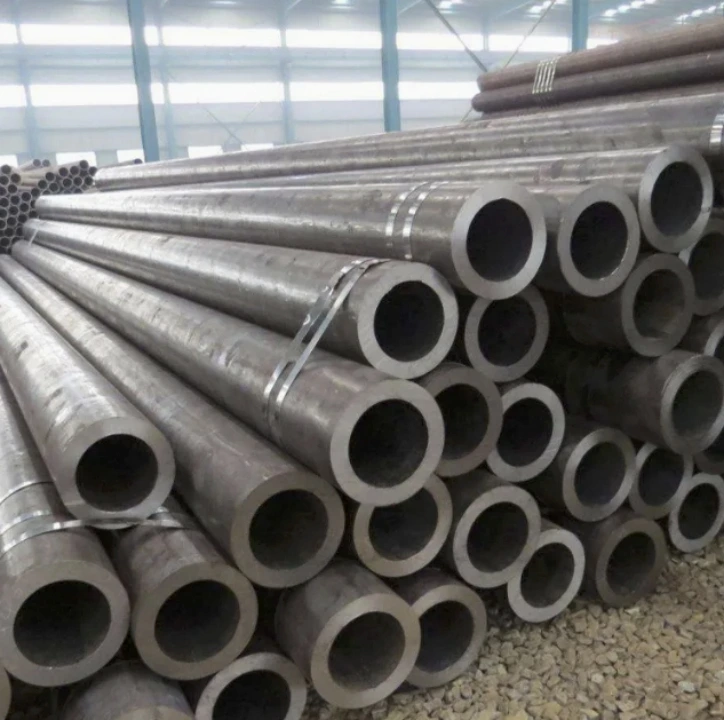
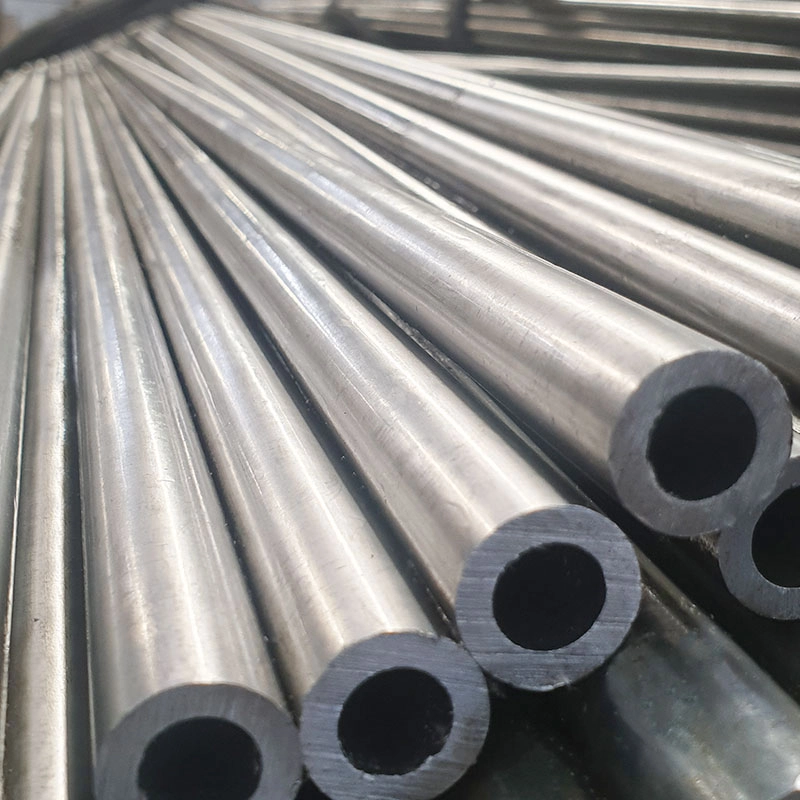
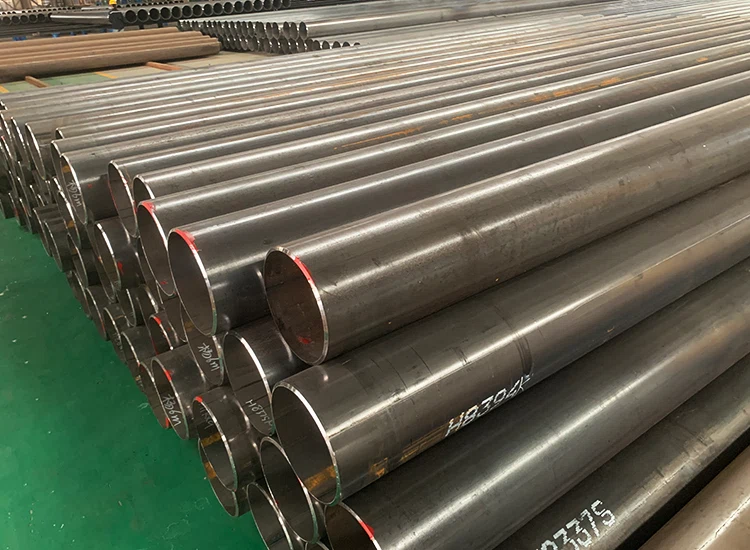
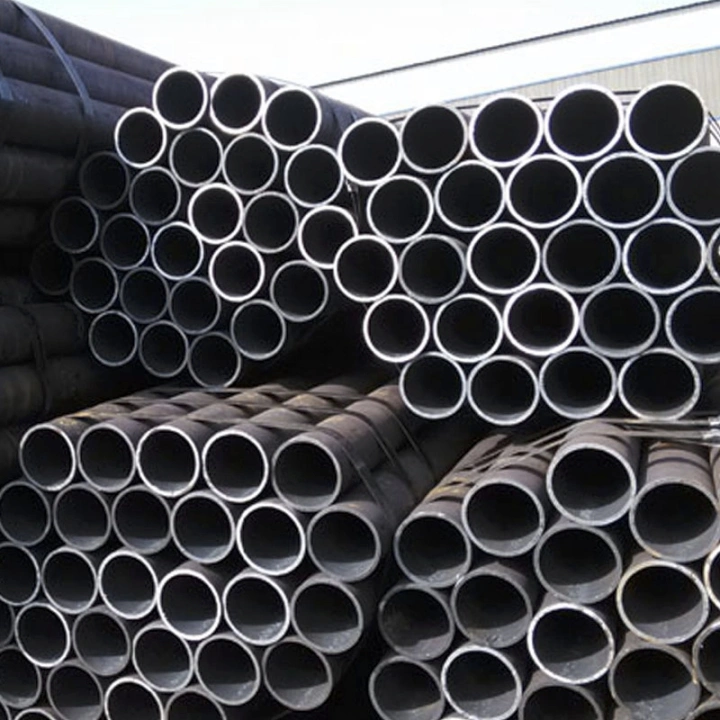
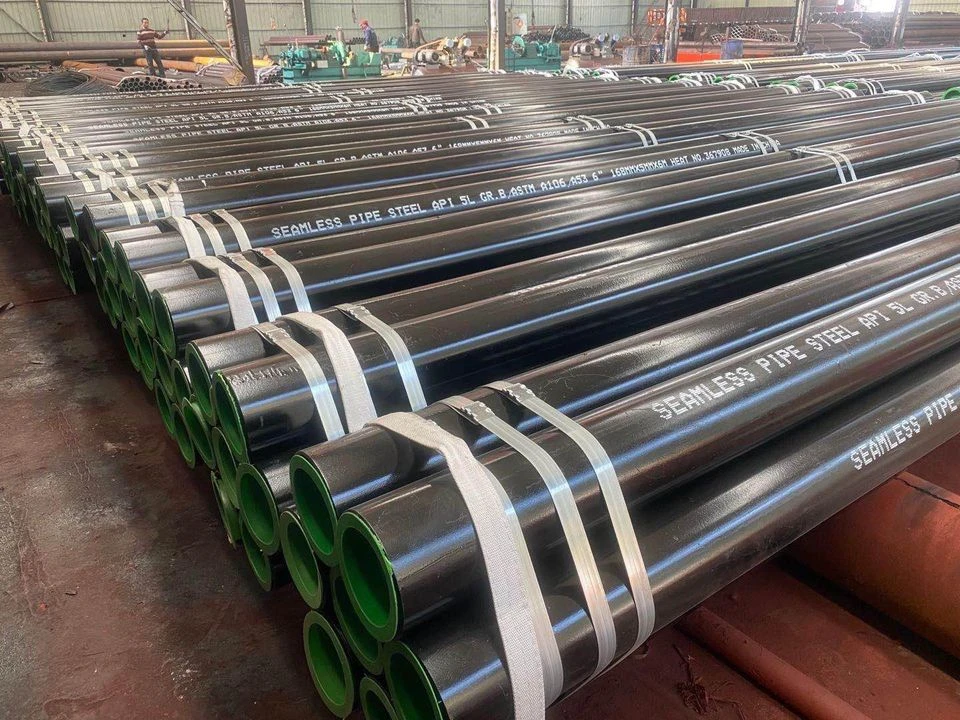
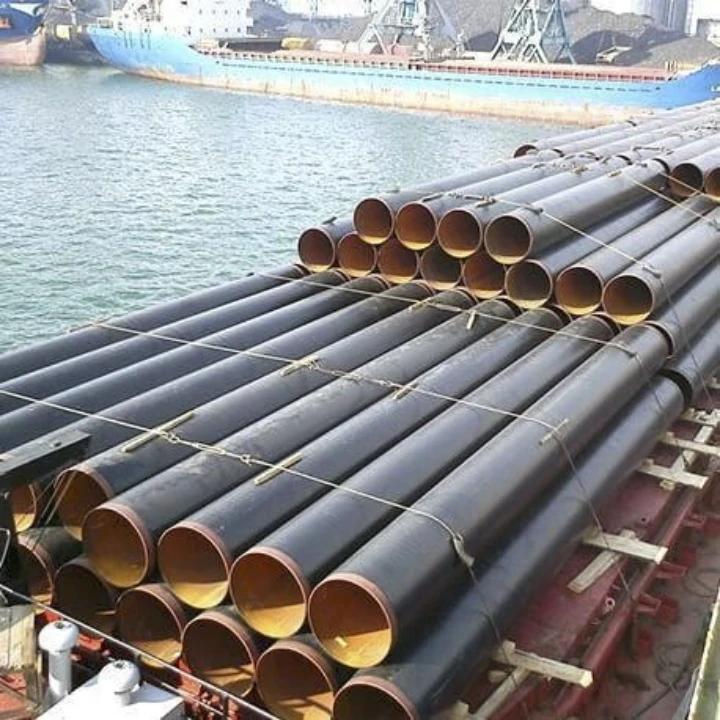
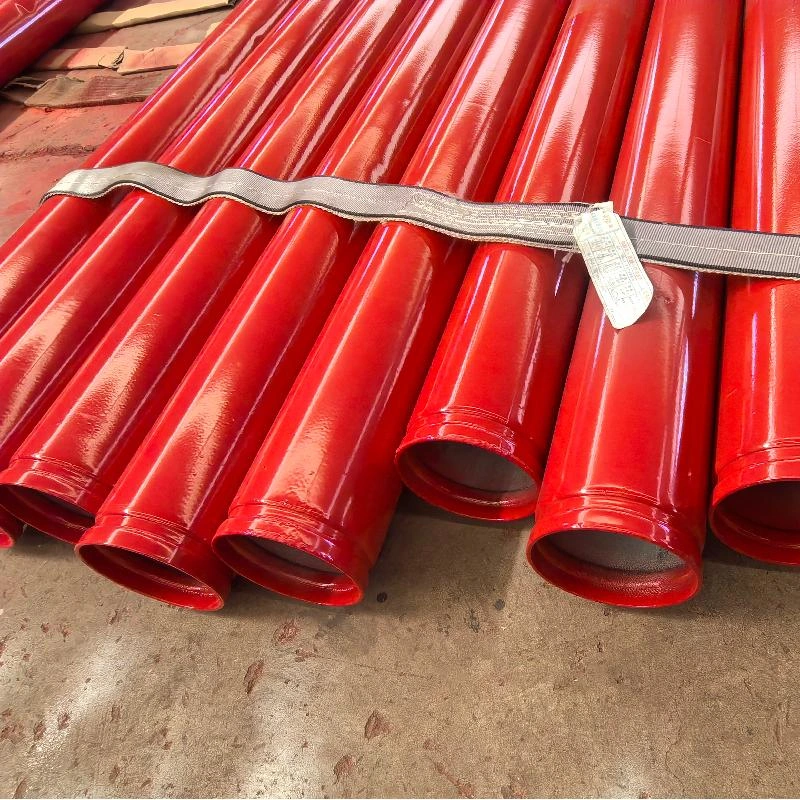
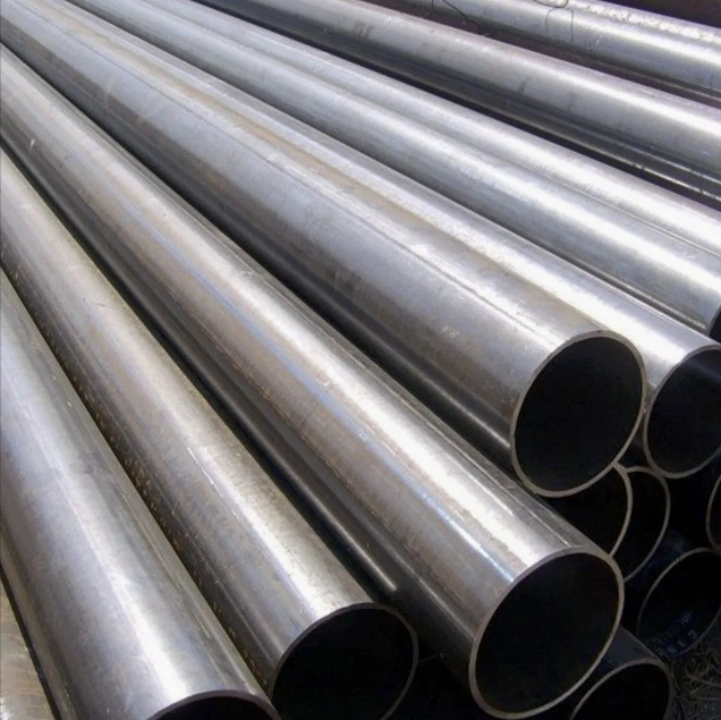
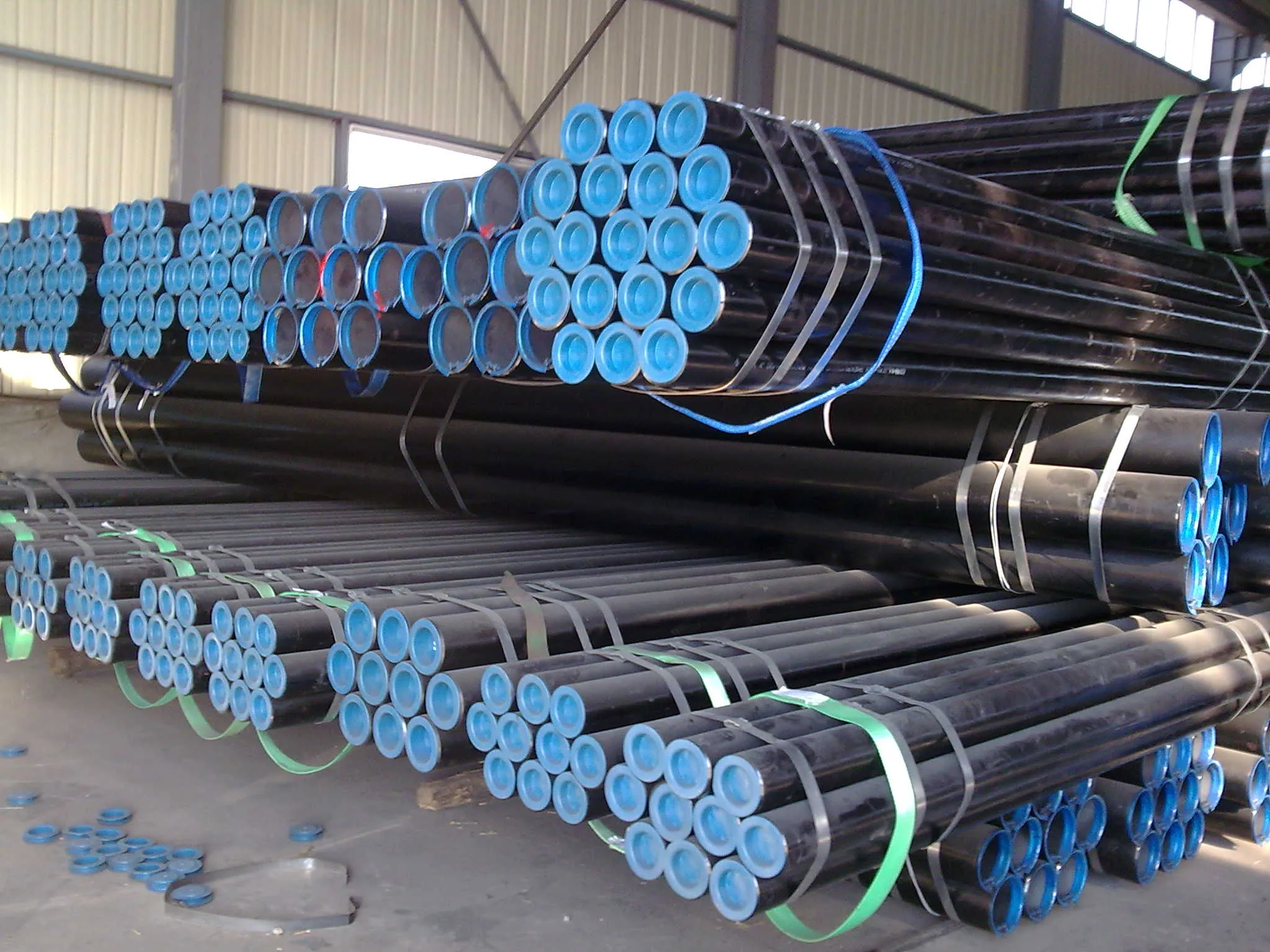
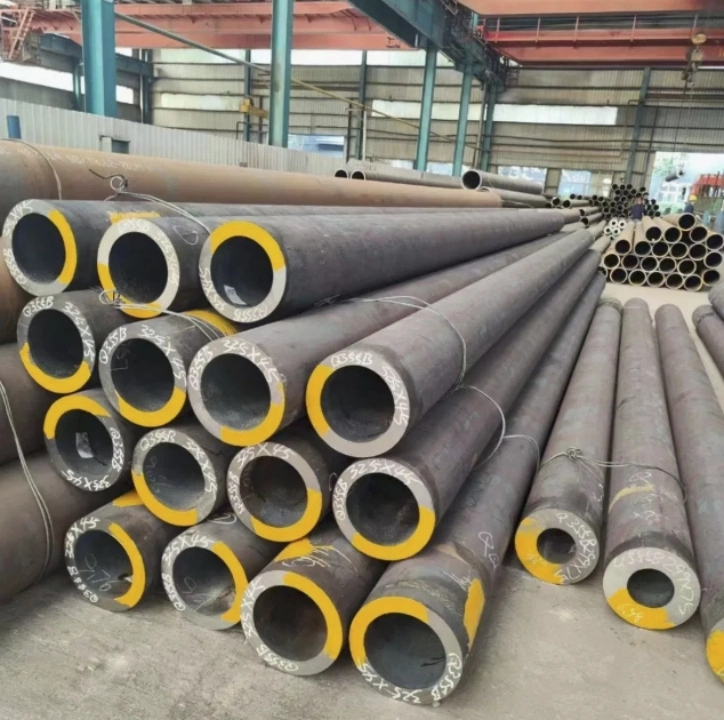
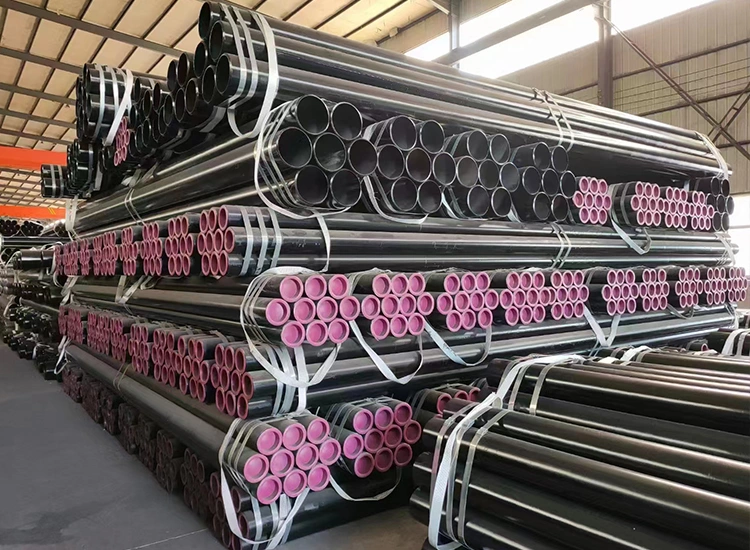
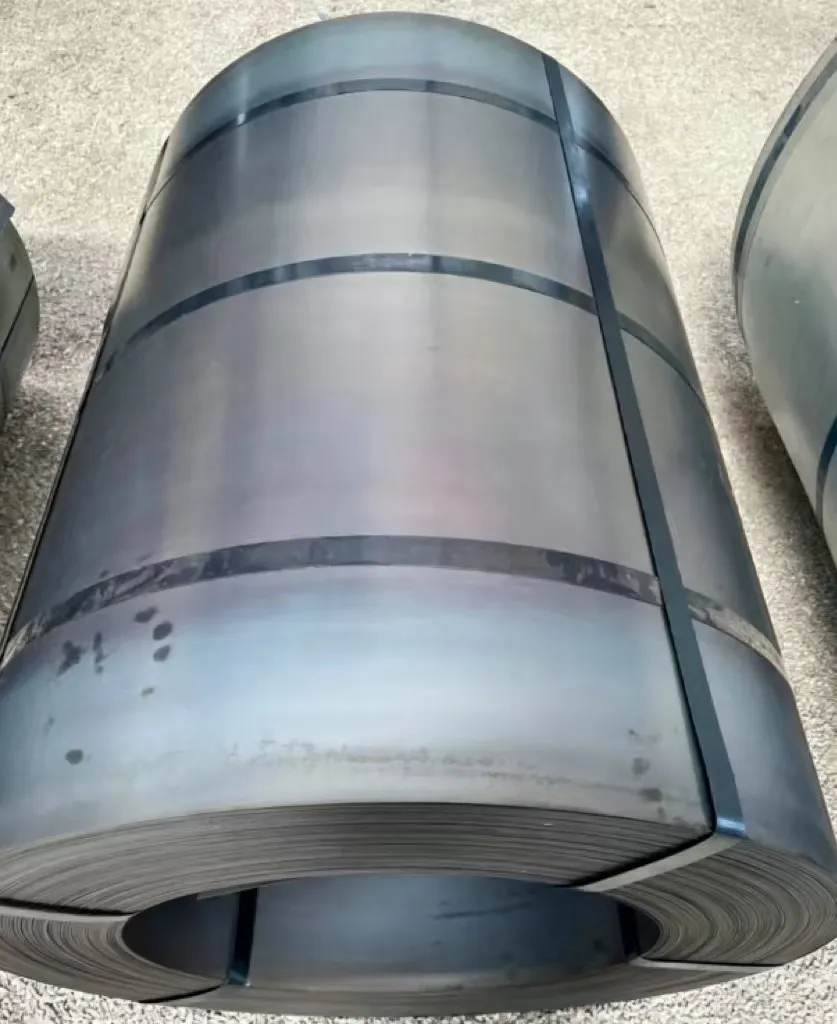
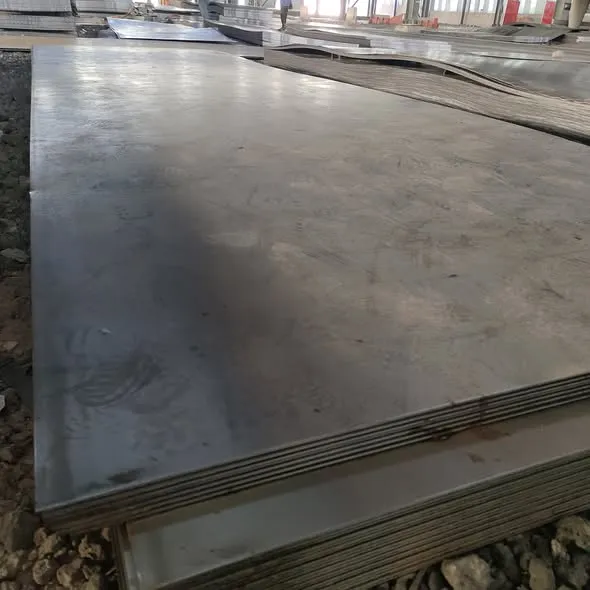
A carbon steel pipe is a tubular steel product primarily made from iron and carbon. It is valued for its strength, durability, and versatility in industrial and construction applications. Depending on the manufacturing process, carbon steel pipes can be supplied as either seamless or welded, and in a variety of diameters, wall thicknesses, steel grades, and lengths.
Carbon steel pipes are widely used for transporting water, oil, gas, steam, and other fluids, as well as in structural systems and industrial equipment. The appropriate pipe specification depends on factors such as operating pressure, temperature, fluid characteristics, mechanical requirements, and applicable industry standards.
Applications of Carbon Steel Pipe
- Oil and gas industry
Used in pipelines to transport crude oil, natural gas, and petroleum products under specified operating conditions.
- Construction and infrastructure
Used in structural supports, building frameworks, piling, and other infrastructure projects.
- Water supply and industrial piping
Used in water distribution, process piping, and utility systems where the selected grade and internal protection are suitable.
- Power generation
Used in steam lines, boiler-related piping, and thermal power systems with the appropriate pressure and temperature ratings.
- Chemical and petrochemical plants
Suitable for process piping and fluid transportation when the material meets the required corrosion and operating conditions.
- Machinery and manufacturing
Used for equipment components, hydraulic systems, mechanical structures, and general fabrication.
Carbon Steel Pipe FAQs
- What are carbon steel pipes used for?
Carbon steel pipes are widely used for transporting oil and gas, as well as for construction, water systems, power generation and industrial processes.
- What is the difference between seamless and welded carbon steel pipes?
Seamless pipes are manufactured without a welded seam, whereas welded pipes are formed from a steel plate or strip that is joined along a seam. The most suitable option depends on the required dimensions, manufacturing standard, operating conditions, and project specifications.
- Do carbon steel pipes rust?
Yes. Carbon steel can corrode when it comes into contact with moisture, oxygen, and corrosive substances, so it may be necessary to apply protective coatings or linings, or take other measures to control corrosion.
- What grades are available for carbon steel pipes?
Common specifications include ASTM A106 for seamless pipes used at high temperatures, ASTM A53 for general-purpose pipes, and API 5L for line pipes. The appropriate grade depends on the intended application and the required mechanical properties.
- Can carbon steel pipes withstand high pressure?
Yes, carbon steel pipes that have been properly specified can be used in high-pressure systems. Whether they are suitable depends on the dimensions of the pipes, the grade of the material, the temperature, the manufacturing quality, and the applicable design codes.
- What is the difference between carbon steel pipe and stainless steel pipe?
Carbon steel pipe is generally strong and cost-effective, while stainless steel contains chromium, which provides enhanced corrosion resistance. The choice between the two depends on the operating environment, maintenance requirements, and project budget.