

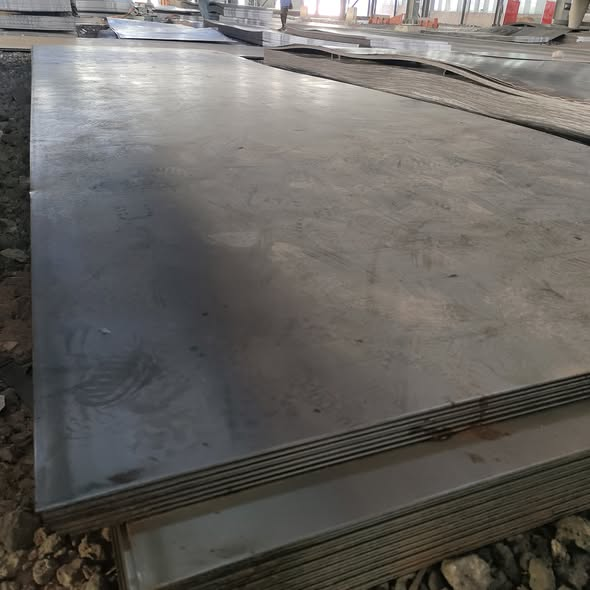
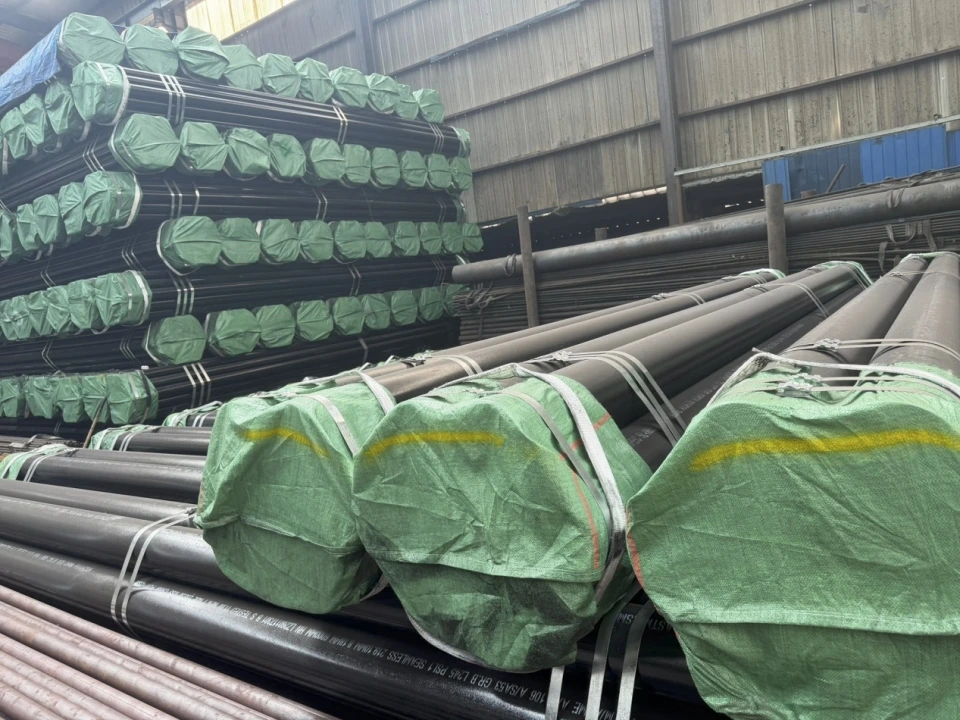
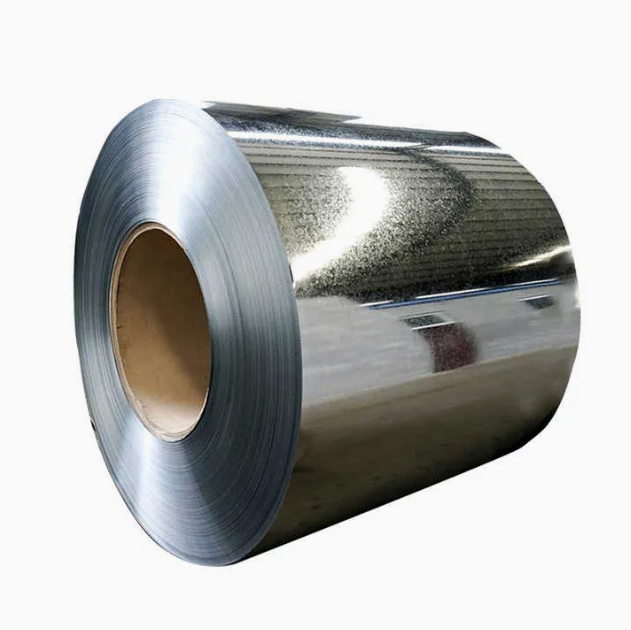
Galvanized steel coils — commonly referred to as GI coils — are among the most widely specified zinc-coated steel products in global industrial procurement. Produced through a continuous hot-dip galvanizing process, these coils bond a metallurgically integrated zinc layer to a cold-rolled or hot-rolled steel substrate, delivering corrosion resistance that extends service life across demanding environments.
For buyers, the appeal of hot-dip galvanized steel coil lies in its combination of structural performance, surface versatility, and cost-effective corrosion protection. From rooftop cladding in coastal climates to body panels on next-generation electric vehicles, GI coils serve as a foundational input material across construction, automotive, appliance, agriculture, and energy infrastructure sectors.
This guide covers the core hot-dip galvanizing process, critical technical parameters, primary and emerging application sectors, compliance standards, and the key criteria procurement teams should apply when evaluating galvanized steel coil suppliers. Whether you are sourcing for a large-scale construction project or qualifying a new automotive tier-1 supply chain, understanding the full specification and application landscape of zinc-coated steel coil is essential to making informed purchasing decisions.
Understanding Galvanized Steel Coils — Process & Core Specifications
How the Hot-Dip Galvanizing Process Works
Hot-dip galvanizing involves passing a cleaned steel strip through a molten zinc bath maintained at approximately 450–460°C. At this temperature, zinc reacts with iron at the steel surface to form a series of zinc-iron intermetallic alloy layers — Gamma, Delta, and Zeta phases — topped by a pure eta-zinc outer layer. This metallurgical bond is fundamentally different from a simple coating: the zinc becomes part of the steel surface rather than sitting on top of it.
The resulting zinc coating weight is expressed in grams per square meter (g/m²) and typically ranges from Z60 (60 g/m²) to Z275 (275 g/m²) under EN 10346, or from G30 to G90 in ASTM A653 nomenclature. Higher coating weights deliver proportionally greater corrosion resistance. A Z275 coating, for example, can provide 20–30 years of maintenance-free service in moderately corrosive environments, making it the standard specification for structural roofing and agricultural applications.
Process variables — bath chemistry, line speed, air knife pressure, and post-treatment — directly influence coating uniformity, spangle appearance, and surface roughness, all of which affect downstream fabrication performance.
Key Technical Parameters Buyers Must Evaluate
Beyond coating weight, procurement engineers must assess a full parameter matrix before specifying a galvanized steel coil grade:
| Spec Item | Standard Range | Common Grades | Applicable Standard | Typical Application |
|---|---|---|---|---|
| Zinc Coating Weight | Z60–Z275 (g/m²) | Z100, Z140, Z180, Z275 | EN 10346 / ASTM A653 | Construction, automotive, appliances |
| Base Metal Thickness | 0.12–3.0 mm | DX51D, S280GD, S350GD | EN 10346 / JIS G3302 | Roofing, structural profiles, stamping |
| Yield Strength | 140–550 MPa | DX51D (~140 MPa), S350GD (~350 MPa) | EN 10346 | Load-bearing vs. deep-draw applications |
| Surface Finish | Regular/Minimized/Zero Spangle | — | ASTM A653 | Aesthetic panels, painted substrates |
| Coil Width | 600–1,500 mm | — | Customer spec/mill capability | Roll-forming, blanking, slit coil |
Surface treatment options — including oiling (corrosion protection during transit), chromate passivation (enhanced wet-storage resistance), and phosphating (paint adhesion primer) — should be specified based on the downstream fabrication process and end-use environment.
Primary Industrial Applications of GI Coils
Construction & Infrastructure — Roofing, Cladding, and Structural Components
The construction sector accounts for the largest share of global galvanized steel coil consumption. GI coils are roll-formed into corrugated roofing sheets, standing seam profiles, wall cladding panels, purlins, and light-gauge steel framing — all applications where long-term outdoor corrosion resistance is non-negotiable.
In coastal and industrial environments, where salt spray and airborne pollutants accelerate oxidation, Z180–Z275 coating weights are standard. For interior structural components such as ceiling grid systems and partition framing, lighter Z100–Z140 grades are typically sufficient and more cost-effective.
A significant downstream application is PPGI (Pre-Painted Galvanized Iron), where GI coil serves as the substrate for color-coated steel used in architectural cladding, roofing tiles, and modular building systems. The quality of the galvanized substrate — particularly surface roughness, coating adhesion, and flatness — directly determines the performance of the final painted product.
Building codes in markets such as the EU, Southeast Asia, and the Middle East increasingly mandate certified zinc-coated steel for structural applications, making EN 10346 or equivalent compliance a procurement prerequisite rather than an option.
Automotive Industry — Galvanized Coil for Body Panels and Chassis Parts
Galvanized coil for the automotive industry is held to some of the most demanding specifications in the steel supply chain. OEM-grade GI coil must simultaneously deliver corrosion resistance, weldability, formability for complex stamping operations, and surface quality suitable for Class A paint finishes.
Typical automotive grades include DX54D and DX56D (deep-drawing quality) with Z100–Z140 coating weights for exposed body panels, and higher-strength grades such as HX340LAD for structural reinforcements and chassis components. Resistance spot weldability is critical — excessive zinc coating can generate weld spatter and porosity, so coating weight must be precisely controlled within tight tolerances.
The rapid expansion of electric vehicle (EV) platforms is reshaping automotive GI coil demand. EV body structures increasingly incorporate advanced high-strength galvanized steel to reduce mass while maintaining crash performance. Battery enclosure trays and underbody shields also rely on zinc-coated steel for electrochemical protection in environments exposed to road moisture and de-icing salts.
Extended Application Sectors & Emerging Use Cases
Appliances, HVAC, and Electrical Enclosures
White goods manufacturers — producing washing machines, refrigerators, air conditioners, and dryers — are consistent consumers of galvanized steel coil. Inner drum components, back panels, and structural frames benefit from GI coil’s anti-rust performance in high-humidity operating environments without requiring heavy coating weights. Grades in the Z60–Z100 range are typically specified, balancing corrosion protection with the tight thickness tolerances required for precision blanking and bending.
HVAC ductwork represents another high-volume application. Rectangular and spiral ducts fabricated from GI coil must resist condensation-driven corrosion over decades of service. Gauge flexibility — from 0.5 mm for residential ducts to 1.5 mm for industrial ventilation systems — makes GI coil the default material specification in this segment.
Electrical enclosures, switchgear cabinets, and cable management systems also rely on zinc-coated steel coil for its combination of electromagnetic shielding, structural rigidity, and surface finish compatibility with powder coating.
Agriculture, Solar Mounting, and Emerging Infrastructure
In agricultural applications, galvanized steel coil is fabricated into grain storage silos, greenhouse framing, irrigation channel liners, and livestock housing structures. These installations demand 15–25+ year service lives with minimal maintenance in environments that combine moisture, fertilizer chemicals, and UV exposure. Z275 coating weight is the standard specification for primary structural components.
The solar energy sector has emerged as a fast-growing demand driver for GI coil. Ground-mounted and rooftop solar mounting systems — fabricated by roll-forming galvanized coil into C-channels, Z-purlins, and hat profiles — require consistent mechanical properties and corrosion resistance across 25-year project lifespans. The cost-per-year corrosion value calculation strongly favors hot-dip galvanized steel over painted or uncoated alternatives in this application.
Telecom tower components, highway guardrails, and urban street furniture represent additional infrastructure segments where the long-term economics of zinc-coated steel deliver clear procurement value.
Compliance Standards, Sourcing Criteria & Commercial Considerations
International Standards & Certification Requirements
Three primary international standards govern hot-dip galvanized steel coil specifications:
- ASTM A653/A653M (USA/Americas): Defines coating designations (G30–G235), mechanical property grades, and test methods. Required for projects targeting North American building codes and automotive OEM supply chains.
- EN 10346 (Europe): Specifies zinc coating weights (Z60–Z600), steel grades (DX, S, HX series), and surface finish designations. Mandatory for CE-marked construction products in EU markets.
- JIS G3302 (Japan/Asia): Covers hot-dip zinc-coated steel sheet and strip with equivalent coating weight designations (Z12–Z60 in g/m²). Widely referenced across Southeast Asian manufacturing supply chains.
Matching the correct standard to the target export market is a critical procurement step. Misaligned certifications can result in customs delays, failed quality audits, or OEM rejection at incoming inspection.
How to Evaluate a GI Coil Supplier — Quality, Lead Time & MOQ
When qualifying a galvanized steel coil supplier, procurement teams should apply a structured evaluation framework:
- Mill Certificate Verification: Request third-party certified mill test reports (MTRs) confirming coating weight, mechanical properties, and chemical composition for each heat/coil number.
- Zinc Coating Uniformity: Coating weight should be verified by triple-spot test per ASTM A90 or EN ISO 1460. Reject suppliers who cannot provide per-coil test data.
- MOQ and Lead Time: Typical mill MOQs range from 25–100 metric tons per order for standard grades, with lead times of 15–45 days ex-works. Trading companies may offer lower MOQs (5–20 MT) at a price premium.
- Supply Chain Risk: Assess mill capacity, raw material sourcing transparency, and export compliance (anti-dumping duties vary significantly by origin country and destination market).
Conclusion
Galvanized steel coils occupy a foundational position in global industrial supply chains precisely because zinc-coated steel delivers a proven combination of corrosion protection, mechanical performance, and fabrication versatility that few alternative materials can match at comparable cost. From structural roofing systems and automotive body panels to solar mounting infrastructure and HVAC ductwork, GI coil applications span virtually every capital-intensive industry sector.
For B2B procurement teams, the critical decisions lie not in whether to specify galvanized steel coil, but in selecting the correct coating weight, grade, surface treatment, and compliance standard for each specific end-use environment. A Z100 automotive-grade coil and a Z275 agricultural structural coil are fundamentally different products despite sharing the same base material category.
Partnering with a certified galvanized steel coil supplier who can provide full traceability, per-coil mill test reports, and flexible order quantities is the most reliable path to supply chain performance and end-product quality assurance. Contact a qualified GI coil supplier today to discuss your application requirements, target specifications, and volume pricing.