

Galvanized steel roofing sheets are a cornerstone material in modern construction and industrial infrastructure worldwide. From large-scale manufacturing facilities and logistics warehouses to agricultural storage and rapid-deployment shelters, this material delivers a combination of structural integrity, corrosion resistance, and cost efficiency that few alternatives can match at scale.
This guide examines the core applications, technical specifications, compliance standards, and commercial advantages of galvanized steel roofing sheets—providing procurement professionals, project engineers, and construction managers with the critical data needed to make informed sourcing decisions. Whether you are specifying materials for a coastal industrial complex or a rural agricultural facility, understanding the performance parameters and procurement criteria of galvanized roofing sheets is essential to optimizing both project outcomes and total lifecycle costs.
Understanding Galvanized Steel Roofing Sheets: Composition & Protection Mechanism
1. What Makes a Steel Sheet “Galvanized”?
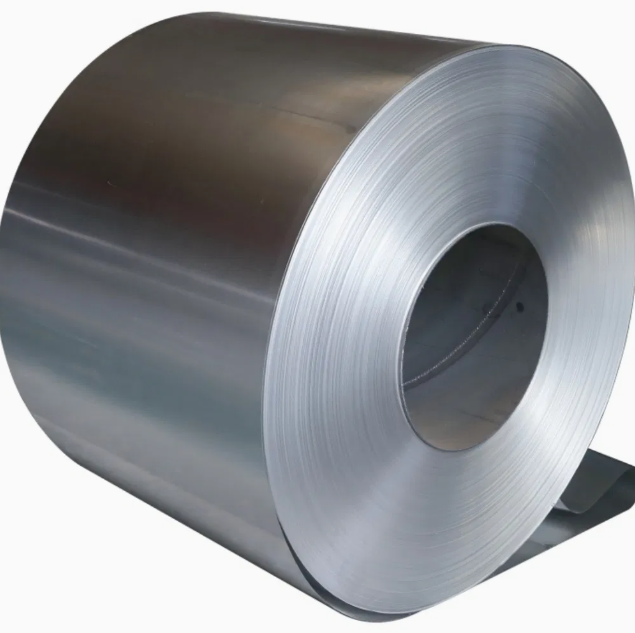
Galvanization refers to the application of a protective zinc coating to steel substrate to prevent oxidation and corrosion. The dominant industrial method is hot-dip galvanizing (HDG): steel coils or sheets are cleaned, flux-treated, and immersed in a molten zinc bath at approximately 450°C. This creates a metallurgical bond between zinc and steel, forming a multi-layer alloy structure (Gamma, Delta, Zeta, and Eta layers) that provides both barrier protection and cathodic protection—meaning the zinc sacrificially corrodes before the underlying steel is attacked.
This is a critical distinction from electro-galvanizing, which deposits a thinner, more uniform zinc layer via electrochemical processes. Electro-galvanized sheet offers better surface aesthetics for painted applications but provides significantly less corrosion resistance in exposed roofing environments. For structural roofing applications subject to weather, humidity, and industrial pollutants, hot-dip galvanized sheet is the industry standard.
2. Key Technical Specifications & Standards
Zinc coating weight is the primary performance variable. Coating designations follow established international standards:
| Parameter | Z100 | Z180 | Z275 |
|---|---|---|---|
| Zinc Coating Weight (g/m²) | 100 | 180 | 275 |
| Zinc Layer Thickness (µm, per side) | ~7 | ~13 | ~20 |
| Yield Strength (MPa) | S250 / S280 | S280 / S350 | S350 / S550 |
| Applicable Standards | ASTM A653, EN 10346, GB/T 2518 | ASTM A653, EN 10346, GB/T 2518 | ASTM A653, EN 10346, GB/T 2518 |
| Typical Application | Interior/light commercial | Industrial buildings, warehouses | Coastal, heavy industrial, agricultural |
| Reference Service Life | 15–25 years | 25–40 years | 40–60+ years |
ASTM A653 governs hot-dip galvanized steel sheet in North American markets, specifying coating designations from G30 to G235 (equivalent to Z90–Z700 in metric terms). EN 10346 is the European standard for continuously hot-dip coated flat products, while GB/T 2518 serves the Chinese domestic and export market. When procuring internationally, always confirm which standard the mill certifies to and ensure the coating weight designation is expressed in comparable units.

Primary Applications of Galvanized Steel Roofing Sheets
1. Industrial & Commercial Building Roofing
Galvanized roofing sheet for industrial buildings represents the largest single application segment globally. The material’s high strength-to-weight ratio makes it ideal for wide-span structures where minimizing dead load is critical to structural economy.
Key industrial and commercial use cases include:
- Manufacturing plants and processing facilities: Profiled galvanized sheet (trapezoidal or corrugated) is widely used for roof decking on steel-framed industrial buildings. Z275 grade is typically specified where process humidity or chemical vapor exposure is anticipated.
- Logistics and distribution warehouses: Large-footprint warehouses require roofing materials that can be installed rapidly at scale. Galvanized steel panels with interlocking profiles enable fast installation and reduce labor costs significantly compared to membrane or tile systems.
- Commercial complexes and retail parks: Lighter-gauge galvanized sheet is used in combination with insulation systems for low-slope commercial roofs, often as a structural deck beneath standing-seam or built-up roofing assemblies.
- Cold storage and food processing facilities: The hygienic, non-porous zinc surface resists microbial growth and is compatible with standard industrial cleaning protocols.
The selection logic for industrial applications centers on three variables: span length (determining required profile depth and base metal thickness), environmental exposure class (determining zinc coating grade), and fire classification requirements (determining whether additional coatings or composite assemblies are needed).
2. Agricultural, Infrastructure & Specialty Applications
Beyond core industrial use, galvanized steel roofing sheet applications extend across several high-volume sectors:
- Agricultural facilities: Livestock shelters, poultry houses, grain storage bins, and equipment sheds rely heavily on galvanized roofing sheet. The material tolerates ammonia-rich atmospheres better than most alternatives at comparable price points. Z275 or higher is recommended for poultry and swine facilities due to elevated humidity and corrosive gases.
- Transportation infrastructure: Bus terminals, railway stations, and airport ancillary structures use galvanized sheet for canopies and platform roofing where long spans, weather resistance, and low maintenance are priorities.
- Temporary and modular structures: Galvanized roofing sheet is a primary material in prefabricated building systems used for disaster relief housing, military field installations, and construction-phase site offices. Its light weight, stackability, and ease of field cutting make it operationally superior in rapid-deployment scenarios.
- Post-disaster reconstruction: International aid organizations and government reconstruction programs consistently specify galvanized corrugated sheet due to its availability, standardized dimensions, and proven performance in tropical and subtropical climates.
Performance Advantages Driving Procurement Decisions
1. Corrosion Resistance, Durability & Load Performance
Independent salt spray testing per ASTM B117 demonstrates that Z275-grade galvanized sheet withstands 1,000+ hours before red rust formation—a benchmark that positions it well against uncoated and lightly coated alternatives in coastal and industrial-pollutant environments. In real-world exposure studies, properly specified hot-dip galvanized roofing in moderate climates consistently achieves 40–60 years of service life with minimal maintenance.
Structural performance is equally important for procurement decisions:
- Wind uplift resistance: Profiled galvanized sheet with trapezoidal or deep-rib geometry achieves wind uplift ratings of 1.5–3.5 kPa depending on profile depth, sheet thickness, and fastener spacing—sufficient for most regional wind load requirements under ASCE 7 or EN 1991.
- Snow load capacity: 0.5–0.8 mm base metal thickness in standard trapezoidal profiles supports distributed snow loads of 1.0–2.5 kN/m² at typical purlin spacings of 1.2–1.8 m.
- Thermal movement: Galvanized steel’s coefficient of thermal expansion (11–13 × 10⁻⁶/°C) is well-understood, and standard profiled sheet systems accommodate thermal cycling without fastener pull-through when correctly detailed.
2. Cost Efficiency & Sustainability Value
On a total cost of ownership (TCO) basis, galvanized steel roofing sheet consistently outperforms alternatives:
- vs. Color-coated (prepainted) steel: Galvanized sheet carries a 15–25% lower material cost. Where aesthetics are secondary to function, galvanized is the default industrial choice.
- vs. Aluminum sheet: Galvanized steel provides 2–3× higher structural stiffness per unit cost, making it preferred for wide-span industrial applications despite aluminum’s weight advantage.
- vs. Fiber cement or asphalt: Galvanized sheet’s 40–60 year service life versus 15–20 years for fiber cement translates to substantially lower lifecycle replacement and labor costs.
From a sustainability perspective, steel is the world’s most recycled industrial material, with galvanized steel achieving recycling rates exceeding 85% in most developed markets. The zinc coating is fully recoverable in the steel recycling process, and galvanized roofing contributes to LEED and BREEAM credit categories related to materials and waste.
Sourcing & Installation Considerations for Procurement Teams
1. Specification Checklist for Buyers
Before issuing an RFQ, procurement teams should confirm the following parameters:
- Zinc coating grade: Z100 / Z180 / Z275 (or ASTM G90 / G185 equivalent) matched to environmental exposure class
- Base metal thickness: Typically 0.3–0.8 mm for roofing; specify nominal thickness and allowable minus tolerance (e.g., ±0.02 mm)
- Profile type: Corrugated (sinusoidal), trapezoidal (T18, T35, T45), or standing seam—each with distinct span and load characteristics
- Sheet width and coverage width: Distinguish between overall width and effective cover width after overlap
- Surface condition: Regular spangle, minimized spangle, or skin-passed finish depending on downstream coating requirements
- Edge treatment: Mill edge or slit edge; confirm burr-free requirement for manual handling
- Packaging and coil/sheet form: Coil supply for roll-forming operations vs. cut-to-length sheets for direct installation
2. Quality Verification & Supplier Qualification
A robust supplier qualification process for galvanized roofing sheet should include:
- Mill Test Certificate (MTC) review: Verify zinc coating weight (g/m²), base metal yield and tensile strength, elongation, and bend test results against the specified standard. MTCs must reference the specific heat/coil number.
- Third-party inspection: For large-volume orders, engage an independent inspection body (SGS, Bureau Veritas, Intertek) to conduct pre-shipment coating weight verification per ASTM A90/A90M or EN ISO 1460.
- Certification recognition: Confirm supplier holds ISO 9001 quality management certification and, where applicable, product certifications such as CE marking (EN 10346) or API-equivalent for specialized structural applications.
- Traceability documentation: Ensure each bundle or coil carries a traceable label referencing the MTC, production date, and coating designation—critical for project compliance audits.
Conclusion
Galvanized steel roofing sheet remains one of the most versatile and commercially proven roofing materials available to the construction and industrial sectors. Its combination of hot-dip zinc protection, structural performance across a range of profile geometries, and competitive lifecycle economics makes it the default specification for industrial buildings, agricultural facilities, infrastructure projects, and rapid-deployment structures worldwide.
For procurement teams, the key to maximizing value lies in precise specification—matching zinc coating grade to environmental exposure class, selecting the correct profile for span and load requirements, and rigorously verifying supplier quality documentation. A Z275-grade sheet from a certified mill with full MTC traceability is not the same product as an unverified equivalent, and that difference directly impacts project longevity and maintenance liability.
Ready to source galvanized steel roofing sheets for your next project? Contact our technical sales team to request a product specification sheet, sample order, or competitive RFQ response tailored to your project requirements.