

Carbon steel sheet remains one of the most widely procured industrial materials globally, yet its pricing is rarely straightforward. For B2B procurement teams, a single line-item quote rarely tells the full story. The actual cost of a carbon steel plate order is shaped by a layered set of variables: raw material market conditions, grade selection, dimensional specifications, surface treatment, compliance requirements, and supply chain structure.
This reference guide is designed to give purchasing managers, engineers, and supply chain professionals a structured framework for evaluating carbon steel sheet cost across the full procurement lifecycle. Rather than offering a single static price point—which would be outdated within weeks given steel market volatility—this article breaks down the key cost drivers, provides grade-by-grade benchmarks, examines compliance premiums, and outlines total cost of ownership (TCO) considerations that go well beyond the unit price. Whether you are sourcing mild steel sheet for structural fabrication or high-carbon plate for tooling applications, this guide equips you to make more defensible sourcing decisions.
What Drives Carbon Steel Sheet Pricing?
1. Raw Material & Market Factors
The base price of any carbon steel sheet is fundamentally anchored to two upstream inputs: iron ore and scrap metal. Integrated steel mills rely heavily on iron ore, while electric arc furnace (EAF) producers are scrap-intensive. When scrap metal costs spike—as they did during post-pandemic supply disruptions—EAF-produced steel grades see faster price escalation.
Key market indices that procurement teams should monitor include:
- CRU Steel Price Index – widely used benchmark for flat-rolled carbon steel in North America and Europe
- Platts HMS 1&2 Scrap Index – indicator of EAF input costs
- Iron ore spot prices (62% Fe CFR China) – upstream signal for integrated mill pricing
Energy costs (natural gas, electricity) also factor significantly into mill operating costs and are frequently passed through during periods of high demand. Additionally, Section 232 tariffs in the United States (25% on steel imports) have structurally elevated domestic carbon steel sheet metal pricing since 2018, creating a persistent premium versus import alternatives.
For procurement teams working on annual contracts, it is advisable to build price adjustment clauses tied to a recognized index rather than locking in fixed prices over 12-month horizons.
2. Product Specification Variables
Beyond market conditions, the specifications you select have a direct and measurable impact on carbon steel sheet cost per pound. The three most consequential specification variables are:
- Thickness: Thinner gauges (under 3mm) require additional rolling passes and tighter tolerances, commanding a higher per-pound premium. Heavy plate (over 25mm) involves different mill equipment and longer lead times.
- Surface condition: Hot-rolled (HR) sheet is the most economical option. Cold-rolled (CR) adds a 15–30% premium for tighter dimensional tolerances and a smoother surface. Galvanized or coated sheet adds further cost for corrosion protection.
- Sheet dimensions: Standard mill dimensions (e.g., 48″ × 96″ or 60″ × 120″) are priced at base rates. Non-standard cut-to-size orders carry processing surcharges.
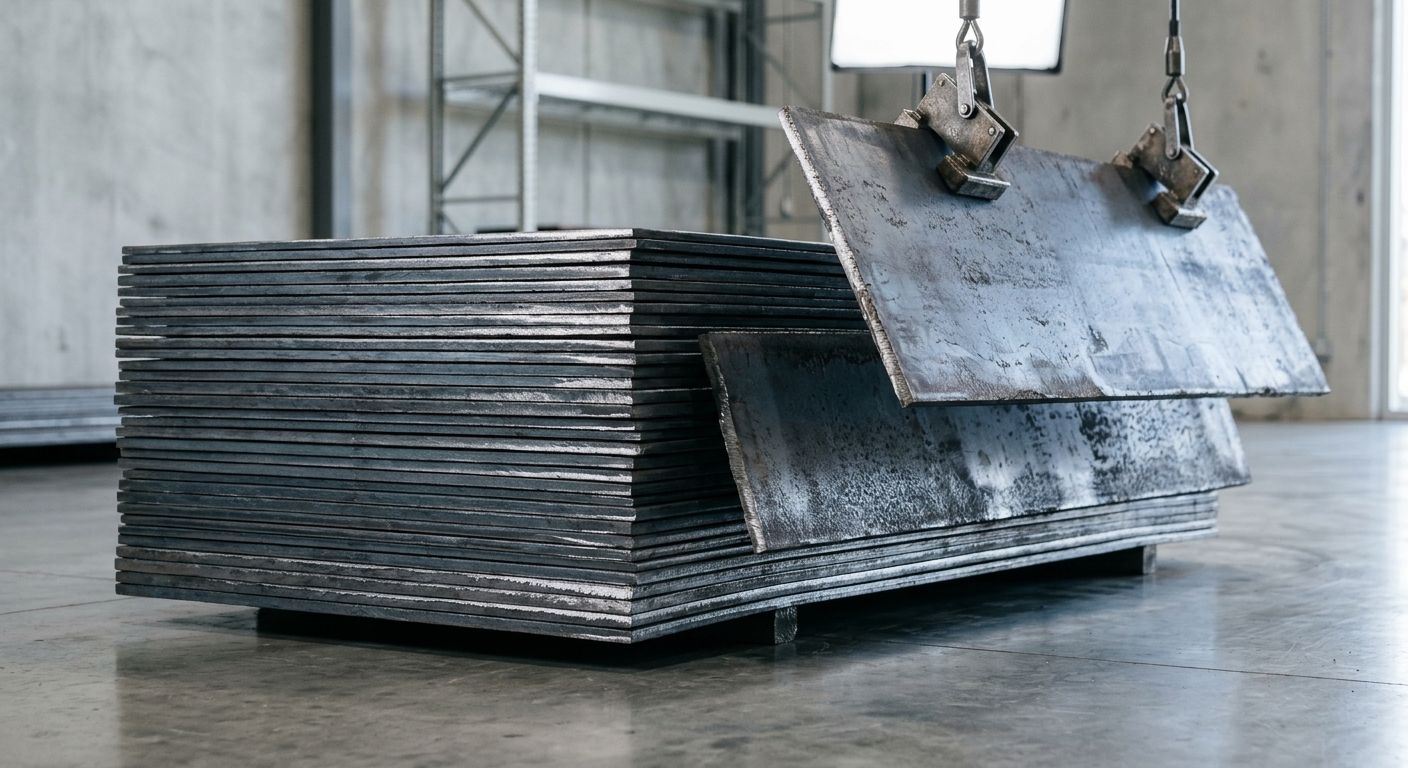
Table 1 — Carbon Steel Sheet Price Reference by Grade & Specification
| Grade | Thickness Range | Typical Price (USD/lb) | Typical Price (USD/ton) | Surface Condition | Lead Time Reference |
|---|---|---|---|---|---|
| A36 | 3mm – 50mm | $0.45 – $0.65 | $990 – $1,430 | Hot-Rolled | 1–3 weeks (stock) |
| 1018 | 1.5mm – 25mm | $0.55 – $0.80 | $1,210 – $1,760 | Cold-Rolled | 2–4 weeks |
| 1045 | 3mm – 75mm | $0.70 – $1.05 | $1,540 – $2,310 | HR / Normalized | 3–6 weeks |
| 1095 | 1mm – 12mm | $1.10 – $1.80 | $2,420 – $3,970 | HR / Annealed | 4–8 weeks |
| A1011 | 1.2mm – 12mm | $0.48 – $0.68 | $1,060 – $1,500 | Hot-Rolled | 1–3 weeks (stock) |
Note: Prices are indicative market references and subject to change based on mill index, order volume, and regional supply conditions.
Carbon Steel Sheet Cost by Grade & Type
1. Common Grades and Their Price Benchmarks
Grade selection is arguably the single largest lever a procurement team can pull to control industrial carbon steel plate cost. Grades differ not just in carbon content but in machinability, weldability, hardness, and the downstream processing they require.
A36 is the benchmark structural grade and typically represents the lowest entry point for carbon steel sheet metal pricing. It is widely stocked by service centers and distributors, making it highly liquid with short lead times. For general fabrication, construction, and non-precision structural applications, A36 offers the best cost-performance ratio.
1018 (low-carbon, cold-rolled) is the preferred choice where tighter dimensional tolerances and a cleaner surface finish are required—such as in precision machined components, shafts, or fixtures. Expect to pay a 20–35% premium over A36 for equivalent thickness.
1045 (medium-carbon) is used in applications requiring higher tensile strength and wear resistance—gears, axles, and industrial tooling. The higher carbon content increases material cost and may require pre- or post-weld heat treatment, adding to total fabrication cost.
1095 (high-carbon) is specialty territory—primarily used for springs, blades, and cutting tools. Pricing is significantly higher, and availability is more limited. Sourcing 1095 typically requires mill-direct or specialty distributor relationships.
2. Hot-Rolled vs. Cold-Rolled: Price & Performance Trade-offs
The HR vs. CR cost gap is one of the most frequent trade-off decisions in carbon steel procurement. Hot-rolled sheet is produced at high temperatures, resulting in slight surface scale and less precise dimensional tolerances—but at a meaningfully lower cost. Cold-rolled sheet undergoes additional processing at room temperature, yielding tighter thickness tolerances (typically ±0.005″), a smoother surface, and improved mechanical consistency.
For structural and heavy fabrication applications where surface finish is secondary, hot-rolled carbon steel sheet is the cost-efficient choice. For precision parts, enclosures, or applications requiring paint adhesion, cold-rolled is justified despite the premium. Procurement teams should avoid specifying CR where HR is functionally adequate—this is a common source of unnecessary cost in BOM reviews.
Compliance, Standards & Their Impact on Cost
1. Relevant Industry Standards (ASTM / EN / GB)
Compliance requirements directly affect carbon steel sheet cost through material traceability, testing, and documentation requirements. The primary standards frameworks encountered in global procurement include:
- ASTM A36 / A1011 / A108 – North American structural and commercial quality standards
- EN 10025 / EN 10130 – European equivalents for structural and cold-rolled flat products
- GB/T 700 / GB/T 912 – Chinese national standards, relevant for Asia-Pacific sourcing
Mill-certified material (with full Mill Test Reports / Certified Test Reports) commands a modest premium—typically $10–$30/ton—but is non-negotiable for pressure vessel, structural, or OEM applications. Uncertified or “secondary” steel may appear cheaper on a unit basis but creates downstream liability and rework risk.
2. Value-Added Processing & Compliance Premiums
Beyond base material cost, value-added services contribute meaningfully to total invoice cost:
- Cut-to-size / blanking: Adds $50–$150/order setup fee plus per-piece cutting charges
- Laser or plasma cutting: $0.10–$0.40/linear inch depending on thickness and tolerance
- Certified Test Report (CTR) fees: $15–$50/heat number at most service centers
- Surface treatment (pickling, oiling, coating): $20–$80/ton depending on process
Procurement teams should request itemized quotes that separate base material from processing—this creates negotiating leverage and allows accurate cost benchmarking across suppliers.
Procurement Strategy & Commercial Considerations
1. MOQ, Volume Pricing & Supplier Tiers
Carbon steel sheet metal pricing is highly volume-sensitive. The market broadly operates across three supplier tiers, each with different MOQ thresholds and price structures:
| Supplier Tier | Typical MOQ | Price Structure | Best For |
|---|---|---|---|
| Steel Mill Direct | 20–100 tons | Mill index-linked, lowest base | High-volume, long lead time |
| Master Distributor | 5–20 tons | Index + margin, moderate | Mid-volume, standard specs |
| Local Service Center | 100 lbs – 2 tons | Spot pricing, highest per-unit | Low volume, cut-to-size |
Spot vs. contract pricing is a strategic decision. In rising markets, locking in contract pricing with index-adjustment clauses provides cost certainty. In declining markets, spot purchasing captures downside. Most sophisticated procurement teams maintain a blended approach—contracting 60–70% of volume and spot-buying the remainder.
2. Total Cost of Ownership Beyond Unit Price
Unit price is only one component of true landed cost. Procurement teams must account for:
- Freight surcharges: Steel is dense and heavy; freight can represent 5–15% of total cost for regional shipments and 20–30% for cross-border orders
- Import tariffs: Section 232 (25%) applies to most steel imports into the U.S.; anti-dumping duties may apply to specific country-of-origin combinations
- Packaging and handling: Coiled vs. sheet form affects handling equipment requirements and damage risk
- Inventory carrying cost: Ordering to minimize per-unit cost may increase working capital tied up in safety stock—calculate the true economic order quantity (EOQ) for your usage profile
- Supplier qualification cost: Auditing a new supplier has a real cost; factor this into any “cheaper” alternative evaluation
Conclusion
Evaluating carbon steel sheet cost accurately requires moving beyond a single price quote. Grade selection, surface condition, dimensional specifications, compliance documentation, value-added processing, and supply chain structure all contribute to the true landed cost of a carbon steel plate order. Procurement teams that build a structured cost model—one that accounts for freight, tariffs, carrying costs, and supplier qualification—consistently achieve better outcomes than those focused solely on unit price.
The most effective sourcing strategies combine market intelligence (monitoring steel indices), specification discipline (matching grade to application requirements), and supplier relationship diversification (balancing mill-direct and distributor channels). With steel markets remaining subject to geopolitical, energy, and demand-side volatility, a dynamic and informed procurement approach is not optional—it is a competitive necessity.