

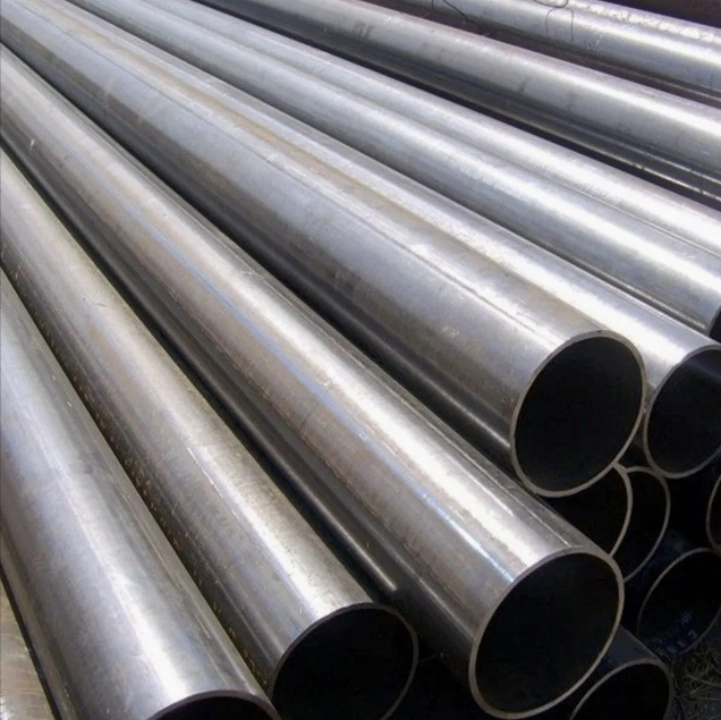
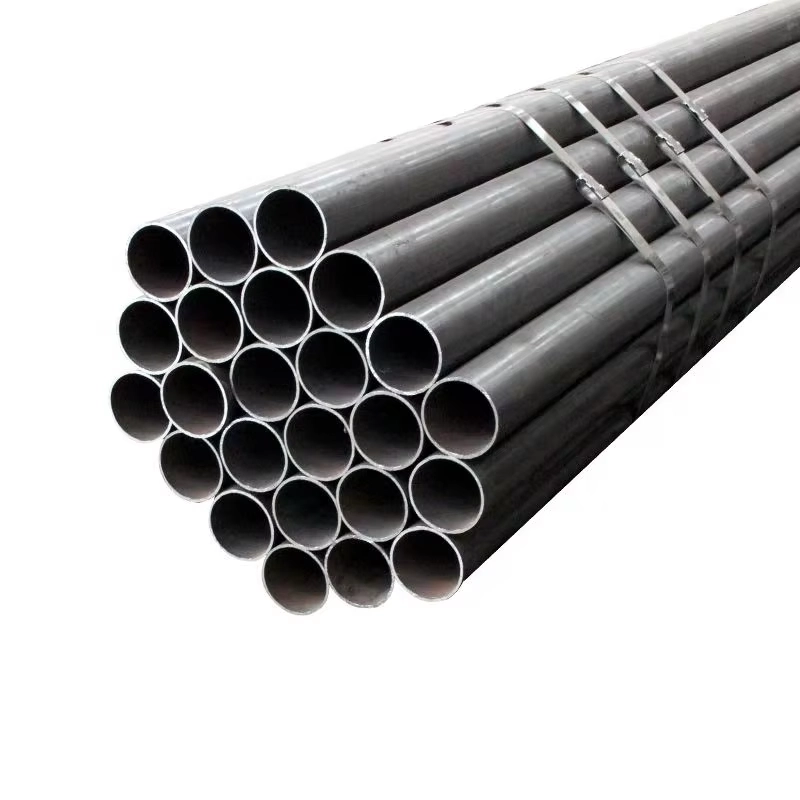
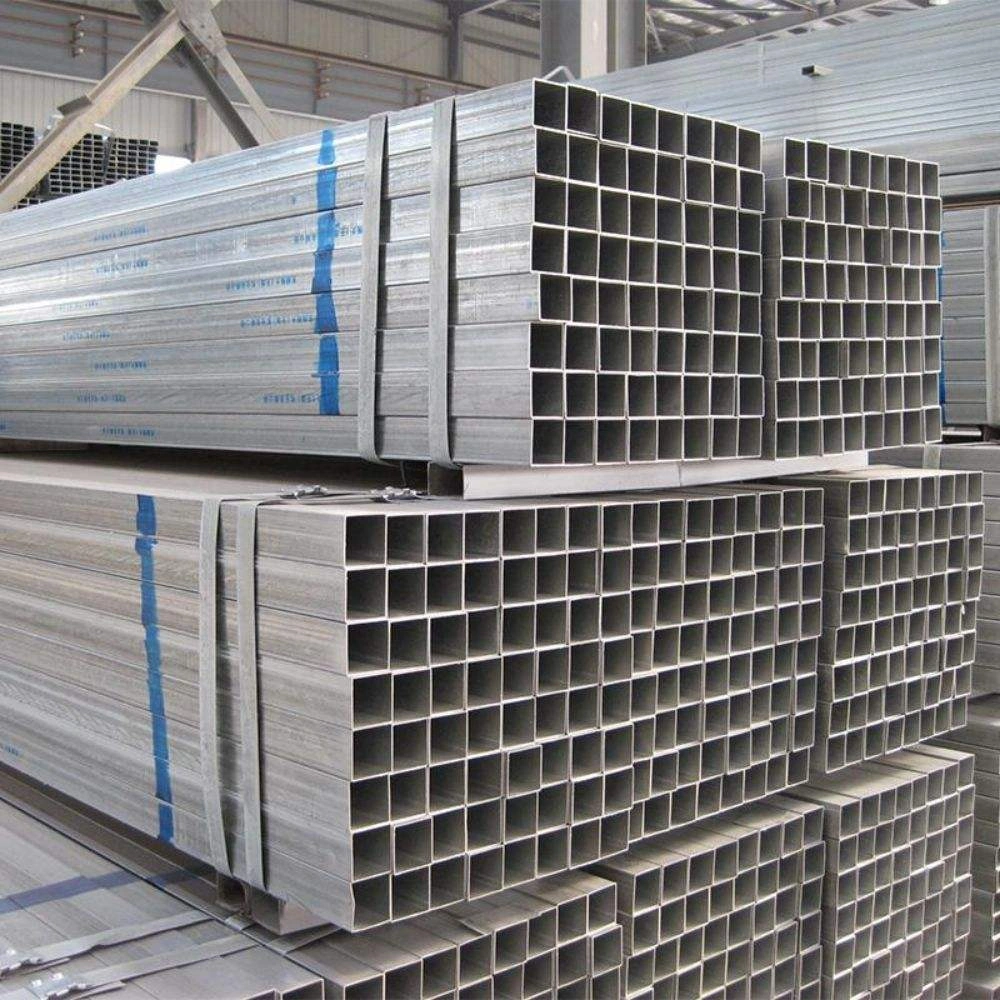
Steel profiles are standardized cross-sectional forms of structural steel produced through hot rolling, cold forming, or welded fabrication. Each manufacturing method yields distinct mechanical characteristics, dimensional tolerances, and cost profiles — variables that directly affect structural performance and procurement decisions.
This guide provides procurement engineers, structural designers, and technical buyers with a comprehensive reference covering:
- The primary types of steel profiles and their geometric properties
- Governing dimensional standards and material grade references
- Practical steel profile sizes and tolerances for specification work
- Industry-specific steel profile applications across construction, machinery, and infrastructure
Whether you are sourcing structural steel profiles for a multi-story frame or specifying hollow section steel profiles for a dynamic fabrication environment, understanding the technical distinctions between profile families is essential for accurate specification, cost control, and supplier qualification.
Defining Steel Profiles: Geometry, Manufacturing & Material Standards
1. How Steel Profiles Are Formed
Steel profiles are produced through three principal manufacturing routes, each with distinct implications for grain structure, dimensional accuracy, and mechanical performance.
Hot rolling is the dominant process for structural profiles. Steel billets or slabs are passed through a series of shaped rolls at temperatures above 900°C, allowing the material to be formed into I-beams, H-beams, channels, and angles with high dimensional consistency. The elevated temperature refines the grain structure, yielding good ductility and weldability — critical properties for structural applications.
Cold forming (cold rolling or press braking) processes steel at ambient temperature. This work-hardening effect increases yield strength but reduces ductility compared to hot-rolled equivalents. Cold-formed profiles are common in light-gauge applications such as purlins, rails, and thin-walled hollow sections.
Welded fabrication combines flat plate or strip into built-up sections — typically used for non-standard geometries or very large sections where rolling mills have dimensional limits. Welded sections offer design flexibility but require additional quality controls on weld integrity and residual stress management.
Key material grades referenced across international markets include:
- EN grades: S235, S275, S355 (yield strengths of 235, 275, and 355 MPa respectively)
- ASTM grades: A36 (250 MPa), A572 Gr.50 (345 MPa)
- Higher-strength options: S420, S460, A913 for demanding structural applications
2. Governing Standards & Certifications
Procurement teams must align product specifications with recognized standards to ensure structural compliance and traceability.
| Standard | Scope | Region |
|---|---|---|
| EN 10025 | Hot-rolled structural steel — chemical & mechanical properties | Europe |
| ASTM A6 | General requirements for rolled structural steel | North America |
| JIS G3192 | Dimensions & mass of hot-rolled steel sections | Japan/Asia |
| EN 10219 | Cold-formed hollow sections — technical delivery conditions | Europe |
| EN 10210 | Hot-finished hollow sections — technical delivery conditions | Europe |
For B2B procurement, always require a Mill Test Certificate (MTC) conforming to EN 10204 3.1 or 3.2. The MTC documents heat number, chemical composition, mechanical test results, and dimensional inspection data — providing full traceability from the steelmaker to the project site. CE marking under EN 1090 is mandatory for structural components supplied into European construction projects.
Types of Steel Profiles: A Technical Classification
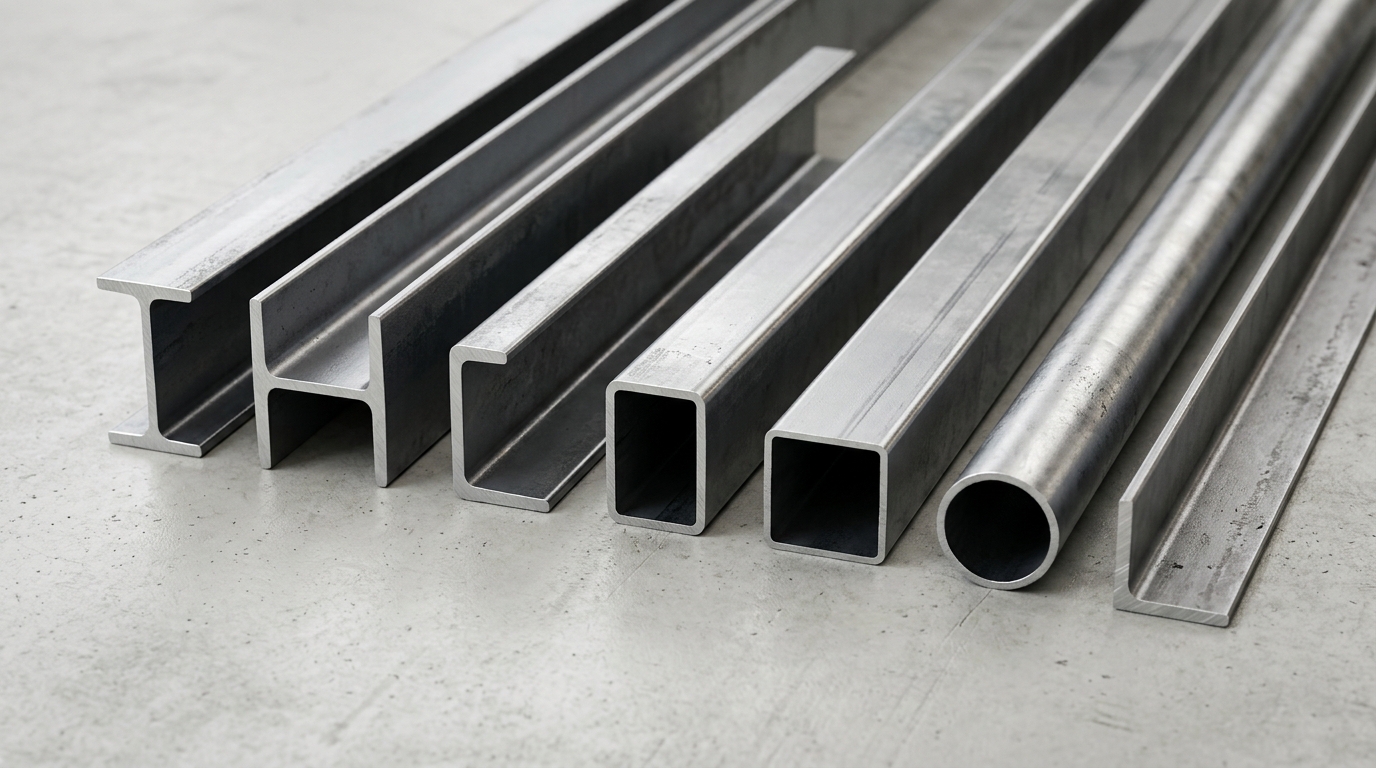
1. Open Sections — I-Beams, H-Beams, Channels & Angles
Open sections are the most widely used structural steel profiles, characterized by their exposed cross-sectional geometry and high efficiency in resisting bending loads along the strong axis.
IPE beams (European I-beams) feature parallel flanges and a relatively narrow flange width, optimized for bending resistance in floor beams and secondary structural members. The high moment of inertia about the major axis makes IPE sections efficient for spanning applications.
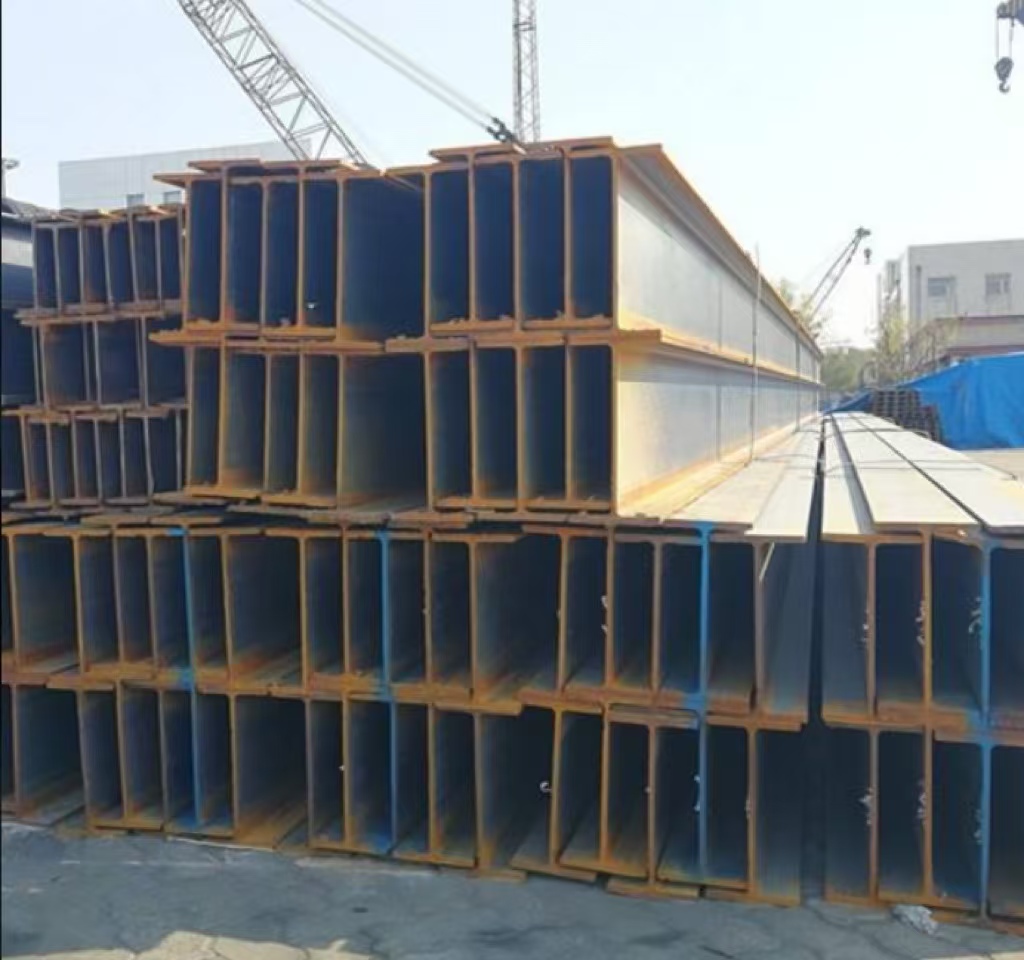
HEA and HEB beams (wide-flange H-sections) have broader flanges relative to section height, providing superior resistance to both bending and axial compression. HEA sections have thinner flanges than HEB, making them lighter while still offering good column performance. HEB sections are the preferred choice for heavily loaded columns.
UPN/UPE channels (U-profiles) are used in bracing, edge beams, purlins, and composite slab applications. Their open geometry facilitates bolted connections and integration with other structural elements.
L-angles (equal and unequal leg) serve as bracing members, connection cleats, and stiffeners. Their simple geometry and low cost make them ubiquitous in fabrication shops.
2. Hollow Section Steel Profiles — RHS, SHS & CHS
Hollow sections offer a fundamentally different structural behavior compared to open sections, with closed geometry providing exceptional torsional rigidity — a critical advantage in columns, trusses, and members subject to combined loading.
- RHS (Rectangular Hollow Section): Efficient for columns and beams where biaxial bending resistance is required; clean flat surfaces simplify connections and cladding attachment.
- SHS (Square Hollow Section): Symmetric section properties in both axes; widely used in columns, frames, and architectural exposed steelwork.
- CHS (Circular Hollow Section): Maximum torsional efficiency; preferred for lattice structures, offshore applications, and architecturally prominent elements.
Hollow sections are manufactured to EN 10219 (cold-formed) or EN 10210 (hot-finished), with hot-finished sections offering superior corner radii, more uniform mechanical properties, and better weldability.
Steel Profile Type Comparison
| Profile Type | Cross-Section | Standard | Typical Size Range (mm) | Key Property | Primary Application |
|---|---|---|---|---|---|
| IPE | Open | EN 10034 | H: 80–600 | High bending stiffness | Floor beams, secondary frames |
| HEA | Open | EN 10034 | H: 100–1000 | Column efficiency (light) | Columns, portal frames |
| HEB | Open | EN 10034 | H: 100–1000 | High load column capacity | Heavy columns, transfer beams |
| UPN | Open | EN 10279 | H: 80–400 | Edge & bracing member | Purlins, bracing, edge beams |
| L-Angle | Open | EN 10056 | Leg: 20–200 | Versatile connection | Bracing, cleats, stiffeners |
| RHS | Closed | EN 10219/10210 | 40×20 – 500×300 | Biaxial bending + torsion | Columns, trusses, frames |
| SHS | Closed | EN 10219/10210 | 20×20 – 400×400 | Symmetric section | Columns, exposed structures |
| CHS | Closed | EN 10219/10210 | OD: 21.3–508 | Maximum torsional rigidity | Lattice trusses, offshore |
Steel Profile Sizes: Dimensional Ranges & Specification Guide
1. Standard Size Tables & Tolerances
Steel profiles are produced within defined dimensional families, each covering a range of section sizes to match varying load requirements.
IPE beams range from IPE 80 (80 mm height, 3.8 kg/m) to IPE 600 (600 mm height, 122 kg/m). HEA/HEB sections span from 100 mm to 1000 mm in nominal height. RHS profiles are available from 40×20 mm up to 500×300 mm with wall thicknesses from 2.0 mm to 20 mm.
Dimensional tolerances are governed by product-specific standards:
- EN 10034: Tolerances for I- and H-sections (height, flange width, web thickness, straightness)
- EN 10279: Tolerances for channels
- EN 10056: Tolerances for angles
- EN 10219/10210: Tolerances for hollow sections (outside dimensions, wall thickness, squareness)
For procurement planning, weight per meter (kg/m) is the standard commercial unit for ordering and pricing. Section property tables — including area, moment of inertia (I), section modulus (W), and radius of gyration (i) — are published in manufacturer catalogs and referenced in structural design software.
2. Custom & Non-Standard Profiles
When standard rolled sections do not meet project requirements, several options exist:
Cut-to-length service: Most steel service centers offer sawing, plasma, or flame cutting to specified lengths. Standard mill lengths are typically 6 m, 12 m, or 15 m. Cut-to-length orders carry dimensional tolerances of ±5 mm to ±25 mm depending on cutting method and section size.
Laser-fused profiles: Thin-walled or stainless steel profiles produced by laser welding flat strip into custom cross-sections — suitable for precision applications where hot rolling is not economical at small quantities.
Built-up / welded sections: Plate girders and box sections fabricated for bridge or heavy industrial applications. Lead times are significantly longer (8–16 weeks vs. 2–4 weeks for standard stock), and MOQ requirements apply. Procurement teams should factor these timelines into project schedules.
Steel Profile Applications Across Key Industries
1. Structural & Civil Engineering Applications
Structural steel profiles are fundamental to modern construction. Key applications include:
- Multi-story building frames: HEB columns and IPE/HEA beams form moment-resisting or braced frames for commercial and industrial buildings. Profile selection is driven by span, floor loading, and column height.
- Industrial sheds & portal frames: Welded or hot-rolled rafters and columns in S355 grade; spans of 20–60 m are common with appropriate haunch detailing.
- Bridges: Welded plate girders and rolled UB/UC sections for road and rail bridges; CHS members in pedestrian bridge trusses.
- Mezzanine floors: IPE secondary beams with composite deck; RHS columns for clean aesthetic and connection efficiency.
Profile selection logic follows the load case: bending-dominant spans favor deep IPE/HEA sections; compression-dominant columns favor HEB or SHS/RHS for their high radius of gyration about both axes.
2. Machinery, Fabrication & Infrastructure Applications
Beyond civil construction, steel profiles serve critical roles in industrial and infrastructure sectors:
- Conveyor and equipment frames: RHS and SHS sections provide clean, weldable surfaces with high stiffness-to-weight ratios; ideal for machine bases subject to dynamic loading.
- Racking and storage systems: Cold-formed channels and angles form pallet racking uprights and beams; hot-rolled sections are used in heavy-duty industrial storage.
- Transmission and telecom towers: Angle sections (L-profiles) in lattice towers for power transmission; CHS in monopole designs.
- Solar mounting structures: Galvanized cold-formed channels and Z/C purlins for ground-mounted and rooftop photovoltaic systems; corrosion resistance and light weight are primary selection criteria.
In dynamic and fatigue environments, hollow section steel profiles outperform open sections due to their closed geometry, which minimizes stress concentration at corners and provides uniform load distribution under cyclic loading.
Conclusion
Steel profiles form the structural backbone of modern construction, industrial fabrication, and infrastructure systems. The correct specification of profile type, size, and material grade — validated against recognized international standards such as EN 10025, ASTM A6, and EN 10219 — directly determines structural performance, fabrication efficiency, and total lifecycle cost.
For procurement teams, the key priorities are: sourcing from certified mill sources with traceable MTCs, verifying dimensional tolerances match the fabrication process requirements, and matching profile geometry to the specific load case — whether bending-dominant beams, compression columns, or torsion-critical hollow sections.
A technically informed specification process reduces RFQ ambiguity, minimizes material waste, and supports on-time project delivery.