

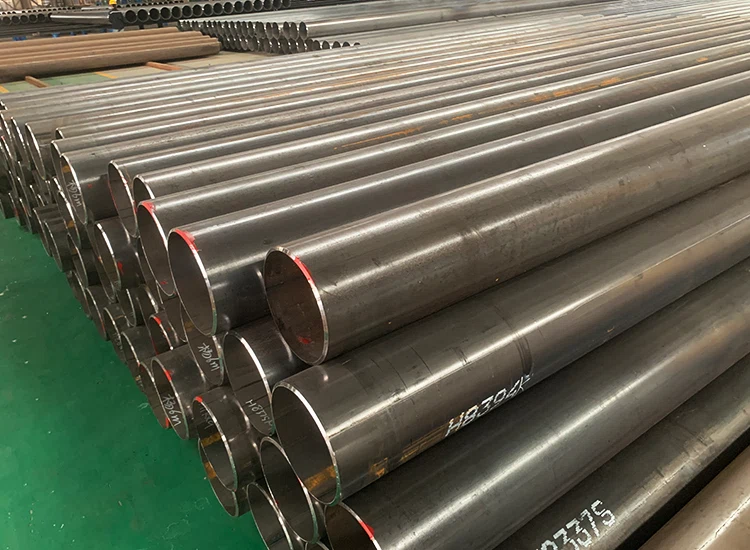
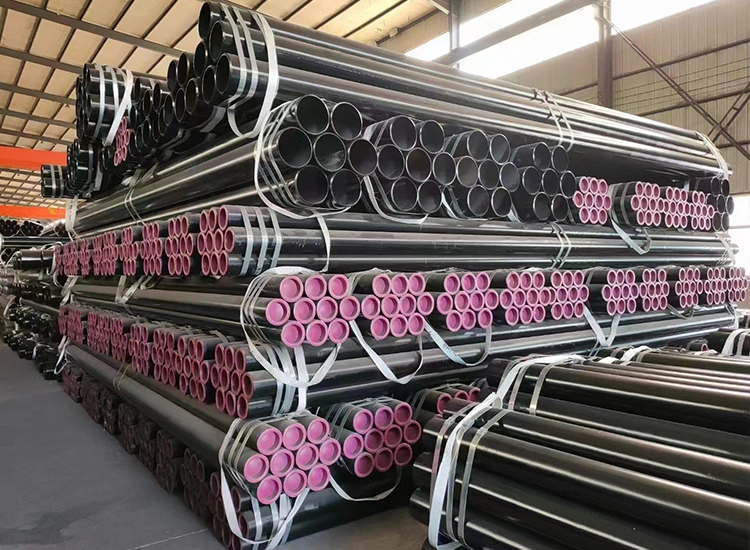
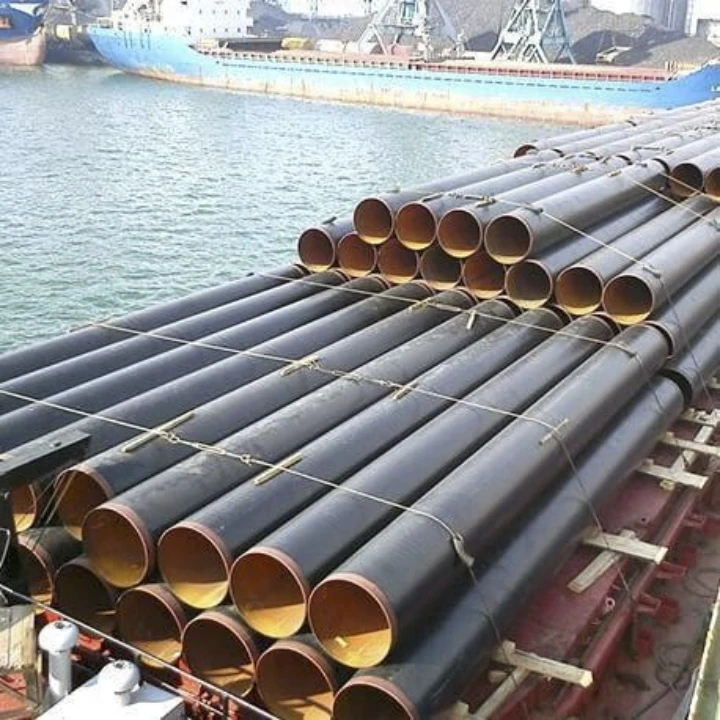
Galvanized steel pipe is one of the most widely specified materials in global industrial procurement — and for good reason. By applying a protective zinc coating to a carbon steel substrate, manufacturers produce a pipe that resists corrosion, withstands mechanical stress, and delivers decades of service life across demanding environments. From municipal water distribution networks to offshore scaffolding and agricultural irrigation systems, galvanized steel pipe spans virtually every infrastructure-intensive sector.
This guide is written for procurement engineers, project managers, and sourcing professionals who need a technically grounded, commercially relevant reference. We cover the manufacturing process and key material standards, break down the primary application scenarios, and provide a direct comparison between galvanized steel pipe and black steel pipe. We also address total cost of ownership (TCO) and supplier qualification criteria — the two factors that most directly affect long-term procurement outcomes. Whether you are specifying pipe for a new construction project or re-evaluating your current supply chain, this article gives you the technical and commercial framework to make a confident purchasing decision.
What Is Galvanized Steel Pipe? Definition & Manufacturing Process
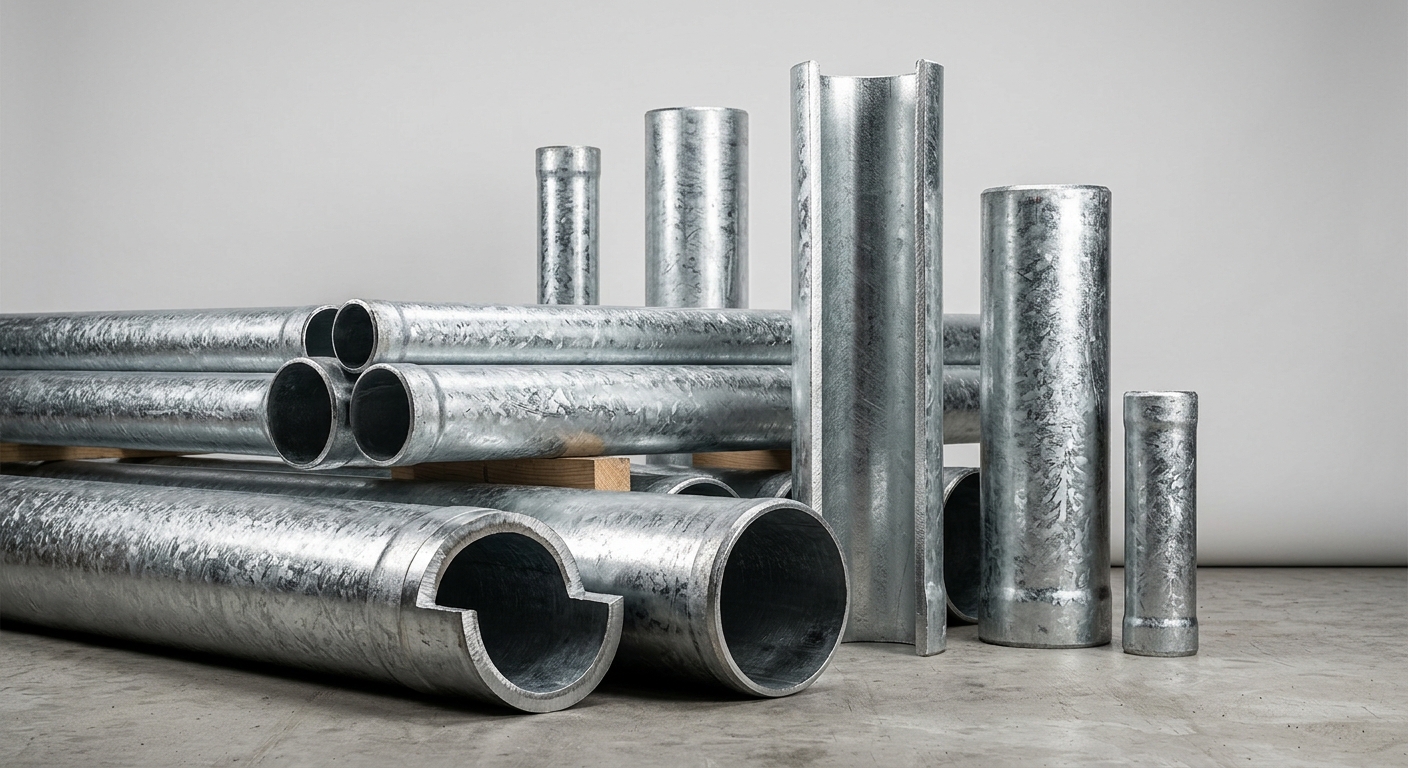
The Zinc-Coating Mechanism: Hot-Dip vs. Other Methods
Galvanized steel pipe is carbon steel pipe that has been coated with zinc to protect the underlying metal from oxidation and corrosion. The dominant and most commercially durable method is hot-dip galvanizing (HDG), in which steel pipe is immersed in a bath of molten zinc at approximately 450°C (842°F). This process generates a metallurgically bonded, multi-layer coating:
- Gamma layer (Γ): Iron-rich zinc-iron alloy, ~5–6% Fe, immediately adjacent to the steel
- Delta layer (δ): Intermediate zinc-iron alloy, ~7–12% Fe
- Zeta layer (ζ): Columnar zinc-iron crystals, ~6% Fe
- Eta layer (η): Pure zinc outer surface
This layered structure is critical. Unlike a simple surface coating, the zinc-iron intermetallic bond means that even if the outer zinc layer is scratched, the alloy layers beneath continue to provide cathodic protection to the steel substrate.
Electro-galvanizing, by contrast, deposits a thin, uniform zinc layer via electrochemical plating. It produces a smoother surface finish but delivers a significantly thinner coating (typically 5–25 μm vs. 45–85 μm for HDG). For outdoor, structural, or high-humidity applications, electro-galvanized pipe lacks the long-term corrosion resistance of hot-dip galvanized steel pipe.
Key Material Standards & Specifications
B2B buyers must verify that galvanized steel pipe meets recognized international standards before committing to a bulk order. The three most widely referenced are:
- ASTM A53: The primary U.S. standard, covering seamless and welded black and hot-dip galvanized steel pipe for mechanical and pressure applications.
- EN 10255: The European standard for non-alloy steel tubes suitable for welding and threading, with defined zinc coating requirements.
- BS 1387: The British standard for steel tubes and tubulars, specifying light, medium, and heavy wall thickness grades.
| Specification Dimension | Details |
|---|---|
| Product Standards | ASTM A53 / EN 10255 / BS 1387 |
| Galvanizing Method | Hot-Dip (HDG) / Electro-Galvanized |
| Wall Thickness Grade | Schedule 20 / Schedule 40 / Schedule 80 |
| Outer Diameter Range | DN15 (½”) – DN600 (24″) |
| Zinc Coating Thickness | 45–85 μm / 305–610 g/m² (HDG) |
| Operating Temperature Range | -20°C to +200°C (HDG standard service) |
Specifying the correct schedule and diameter range for your application is essential. Schedule 40 covers the majority of general plumbing and light structural uses; Schedule 80 is required for higher-pressure industrial lines.
What Is Galvanized Steel Pipe Used For? Core Application Scenarios
Galvanized Pipe for Plumbing Systems
Galvanized pipe for plumbing systems has been the industry standard for residential and commercial water supply lines for over a century. The zinc coating provides a physical barrier against rust formation on interior pipe walls, making it suitable for cold water distribution, irrigation feed lines, and fire suppression systems.
Compared to copper pipe, galvanized steel pipe offers a significantly lower material cost per linear meter, higher mechanical strength, and better resistance to physical impact — a decisive advantage in industrial and commercial installations. Compared to PVC pipe, it handles higher operating pressures and performs reliably at elevated temperatures where thermoplastics deform.
Important regulatory note: In many jurisdictions, including the U.S. (per current IPC and UPC plumbing codes), galvanized steel pipe is no longer recommended as the primary material for potable drinking water in new residential construction. Over decades of service, zinc deposits can accumulate inside the pipe, reducing flow capacity and, in older systems, introducing trace metals into the water supply. For non-potable water systems, industrial process water, and fire suppression, galvanized pipe remains fully compliant and widely specified.
Galvanized Pipe for Outdoor & Structural Construction
The outdoor construction sector is where hot-dip galvanized steel pipe delivers its most compelling performance advantage. Key applications include:
- Security fencing and guardrails: The zinc coating withstands UV exposure, rain, and soil contact without requiring paint or secondary surface treatment.
- Scaffolding systems: HDG scaffolding pipe meets EN 39 / BS 1139 requirements and provides the load-bearing capacity needed for multi-story construction projects.
- Agricultural irrigation infrastructure: Galvanized pipe for outdoor construction in irrigation applications resists the combined effects of soil chemicals, fertilizer residues, and continuous moisture exposure.
- Bridge support structures and handrails: Long-term exposure to coastal or industrial atmospheres demands zinc coating thicknesses at the higher end of the specification range (≥85 μm).
In tropical, coastal, or high-humidity environments, hot-dip galvanized steel pipe typically delivers a service life of 20–50 years without major maintenance intervention — a benchmark that few alternative materials can match at comparable cost.
Galvanized Steel Pipe vs. Black Steel Pipe — How to Choose?
Performance & Cost Comparison
Black steel pipe is uncoated carbon steel pipe — the same base material as galvanized pipe, but without the zinc layer. This distinction drives nearly every performance and cost difference between the two products.
| Comparison Factor | Galvanized Steel Pipe | Black Steel Pipe |
|---|---|---|
| Corrosion Resistance | High (zinc barrier + cathodic protection) | Low (surface oxidizes rapidly) |
| Service Life (outdoor) | 20–50 years | 5–15 years (without maintenance) |
| Weldability | Requires zinc removal at weld zones | Excellent, no pre-treatment needed |
| Material Cost | 15–30% higher than black pipe | Lower initial cost |
| Ideal Environment | Wet, outdoor, corrosive | Dry, indoor, high-temperature |
| Gas Line Suitability | Not recommended (zinc reacts with some gases) | Standard specification for natural gas |
Black steel pipe is the correct choice for natural gas distribution, steam lines, and high-temperature industrial processes where the zinc coating would either degrade or react chemically with the conveyed medium. Galvanized steel pipe is the correct choice wherever moisture, outdoor exposure, or long maintenance intervals are defining project parameters.
Procurement Decision Factors
Three variables should anchor every galvanized vs. black steel pipe sourcing decision:
- Project environment and service conditions: Outdoor, coastal, or chemically aggressive environments default to galvanized. Dry indoor or high-temperature installations favor black steel.
- Maintenance cycle and budget: If your project requires a 25+ year maintenance-free service window, the premium on hot-dip galvanized steel pipe is economically justified.
- Compliance and certification requirements: Confirm whether your project specification requires ASTM A53, EN 10255, or a national standard equivalent, and whether your supplier holds ISO 9001 certification and can provide Mill Test Certificates (MTCs) for each batch.
Commercial Value & Sourcing Considerations for B2B Buyers
Total Cost of Ownership (TCO) Analysis
The initial purchase price of hot-dip galvanized steel pipe is typically 15–30% higher than equivalent black steel pipe. However, TCO analysis consistently favors galvanized pipe for outdoor and infrastructure applications when the full cost picture is considered:
- Reduced maintenance expenditure: HDG pipe in moderate atmospheric conditions requires no repainting or surface treatment for 20+ years.
- Lower replacement frequency: A galvanized system installed correctly may outlast two or three black steel replacement cycles.
- Reduced downtime costs: In industrial or municipal infrastructure, unplanned pipe failures carry labor, operational, and regulatory costs that dwarf the original material cost differential.
For procurement teams operating under capital expenditure constraints, the ROI case for hot-dip galvanized steel pipe strengthens significantly when lifecycle costs are modeled over a 15–25 year project horizon.
Supplier Qualification & Quality Verification
Before committing to a bulk purchase order, B2B buyers should require the following from any galvanized steel pipe supplier:
- Mill Test Certificate (MTC): Issued per heat/batch, confirming chemical composition, mechanical properties, and zinc coating weight in g/m².
- Third-party inspection reports: Independent coating thickness verification using magnetic induction gauges per ISO 2178 or ASTM E376.
- Adhesion and bend testing: Confirms that the zinc-iron intermetallic bond will not delaminate under installation stress.
- ISO 9001 / ISO 14001 certification: Confirms that the manufacturer operates a documented quality management system.
- Product standard compliance declaration: Explicit confirmation of ASTM A53, EN 10255, or BS 1387 conformance as applicable to your market.
Suppliers who cannot provide complete MTC documentation or third-party test reports should be disqualified from consideration for critical infrastructure projects.
FAQ
Q1: Is galvanized steel pipe still safe to use for drinking water plumbing systems?
For non-potable water, industrial process water, and fire suppression, yes — galvanized pipe remains safe and widely specified. For new potable water installations, most current building codes recommend copper, CPVC, or PEX alternatives, as aging galvanized pipe can accumulate zinc deposits that reduce flow and affect water quality over decades of service.
Q2: What is the difference between hot-dip galvanized steel pipe and standard black steel pipe in outdoor construction?
Hot-dip galvanized steel pipe features a metallurgically bonded zinc-iron alloy coating (45–85 μm) that provides both barrier protection and cathodic protection against corrosion. Black steel pipe has no protective coating and will begin to oxidize within weeks of outdoor exposure. For fencing, scaffolding, and structural applications, HDG pipe delivers a service life three to five times longer than uncoated black steel in comparable environments.
Q3: How do I verify the zinc coating thickness meets international standards before bulk purchasing?
Request the Mill Test Certificate (MTC) for each production batch, which should state zinc coating weight in g/m² (minimum 305 g/m² for HDG per ASTM A53). Additionally, specify third-party coating thickness testing per ISO 2178 using a calibrated magnetic induction gauge. For large-volume orders, consider appointing an independent inspection agency to conduct pre-shipment verification at the mill.
Conclusion
Galvanized steel pipe remains one of the most versatile and cost-effective materials available to B2B infrastructure buyers. Its hot-dip zinc coating delivers proven corrosion resistance across plumbing systems, outdoor structural applications, agricultural infrastructure, and industrial facilities. When evaluated on a total cost of ownership basis, the premium over black steel pipe is consistently recovered through reduced maintenance expenditure and extended service life.
For procurement professionals, the key action points are straightforward: specify the correct standard (ASTM A53, EN 10255, or BS 1387), confirm wall thickness schedule for your pressure requirements, and rigorously qualify suppliers through MTC documentation and third-party coating verification.
Ready to source galvanized steel pipe for your next project? Contact our technical sales team to request a detailed product specification sheet, competitive pricing, and certified sample documentation for your engineering review.