

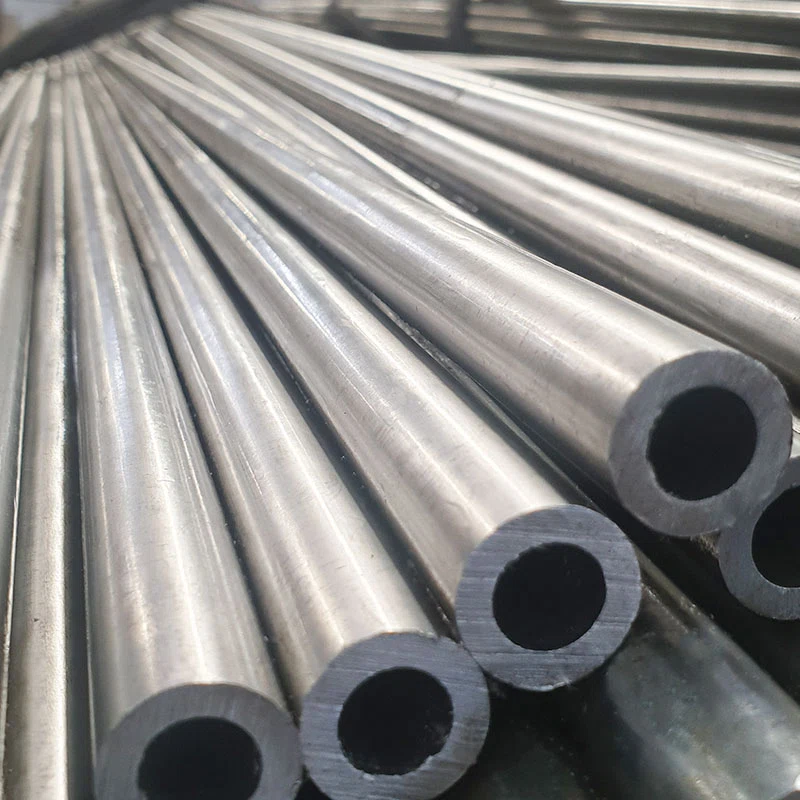
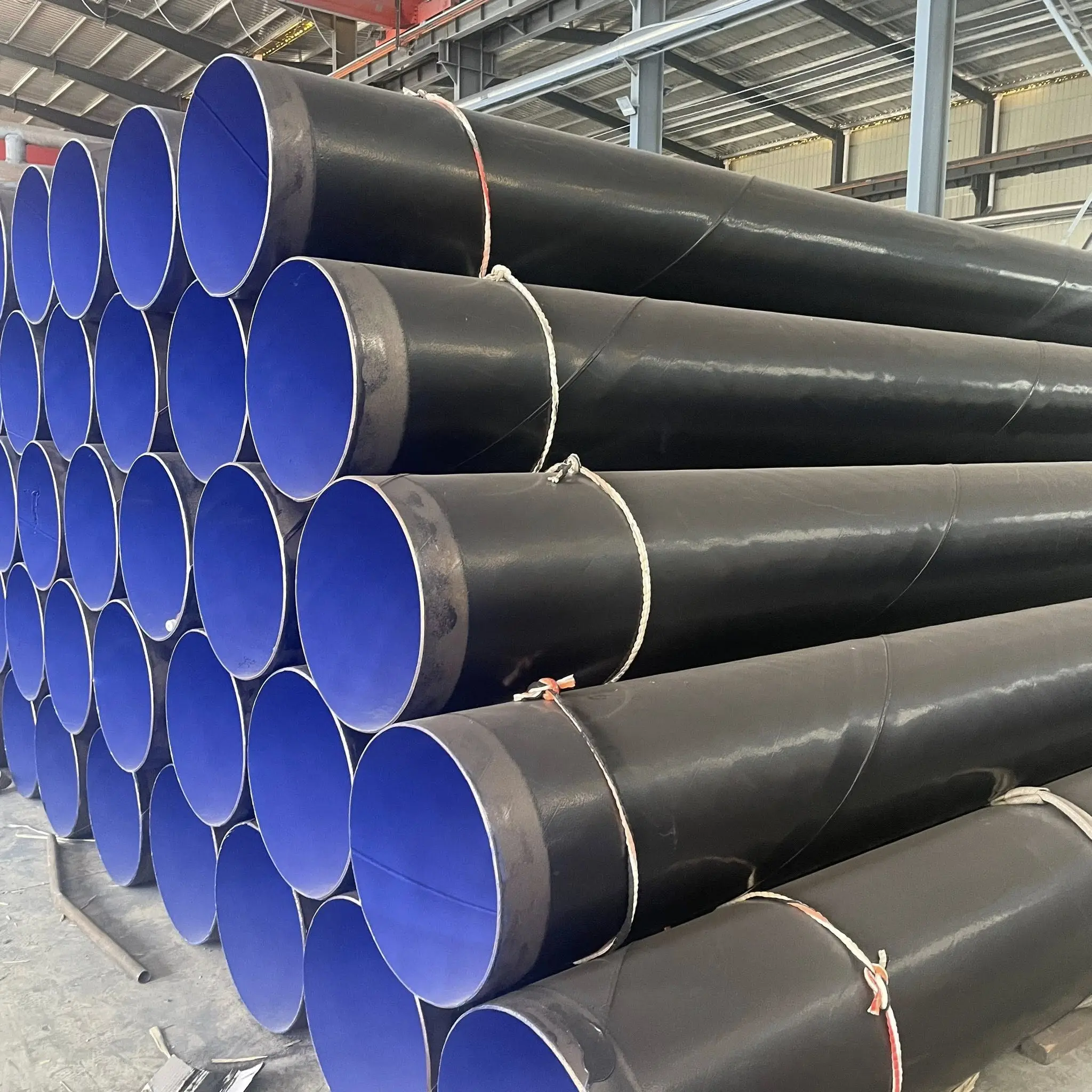
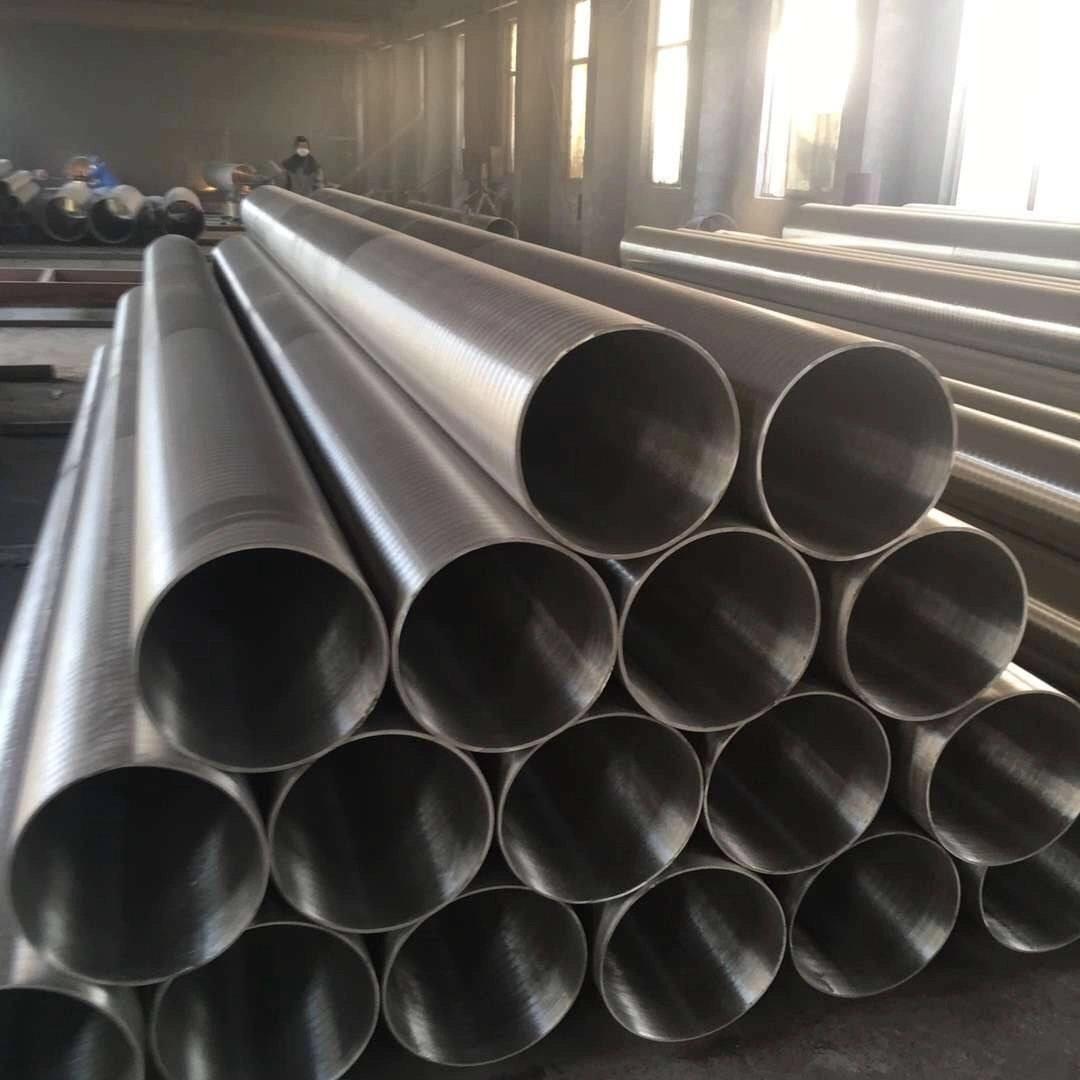
Seamless steel pipes are high-strength, pressure-resistant pipes manufactured by seamless steel pipe producers. They are widely used in the oil, gas, chemical, power and mechanical engineering sectors. This article will outline the production process and quality control measures for seamless steel pipes, helping readers to gain a better understanding of this industry.
In the production process of seamless steel pipes, the first step is to select suitable raw materials. Generally speaking, manufacturers of seamless steel pipes opt for high-quality steel, such as premium carbon steel and alloy steel. These raw materials possess good weldability and machinability, enabling them to meet the performance requirements of the pipes.
The next step involves heat treatment of the raw materials. Two common heating methods used in the production of seamless steel pipes are forging and rolling. Forging involves heating the raw material to a specific temperature and then processing it using forging machinery. Rolling, on the other hand, involves passing the raw materials through a rolling mill for continuous rolling to form seamless tubes.
Following heat treatment, the seamless steel tubes undergo piercing and drawing. Piercing involves using a piercing machine to create a hole in the heated raw material, forming the initial shape of the seamless steel tube. Drawing involves pulling the pierced raw material to gradually lengthen and thin it, thereby forming the final shape of the seamless steel tube.
Quality control is a crucial aspect of the entire production process for seamless steel pipes. Manufacturers typically implement the following measures to ensure product quality. Firstly, there is a rigorous selection of raw materials, with only steel meeting the required quality standards being chosen. Secondly, during the heat treatment process, the heating temperature and duration are carefully controlled to ensure the steel’s properties remain intact. Furthermore, strict control of parameters is required during the piercing and drawing stages to guarantee the product’s dimensional accuracy and surface quality.
In summary, the production process for seamless steel pipes comprises stages such as raw material selection, heat treatment, piercing and drawing. Rigorous quality control is required at every stage to ensure the product meets the relevant standards. Seamless steel pipe manufacturers pay close attention to detail and strive for perfection throughout the production process to meet the demands of various industries.