

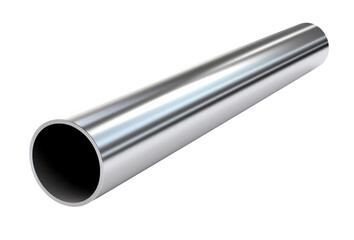
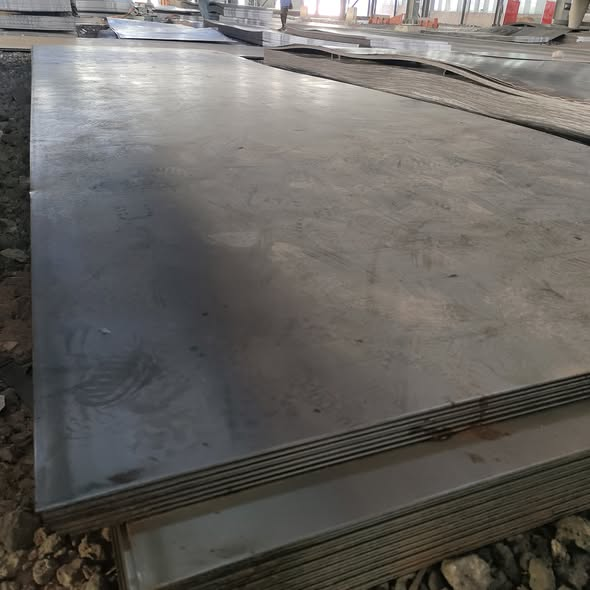
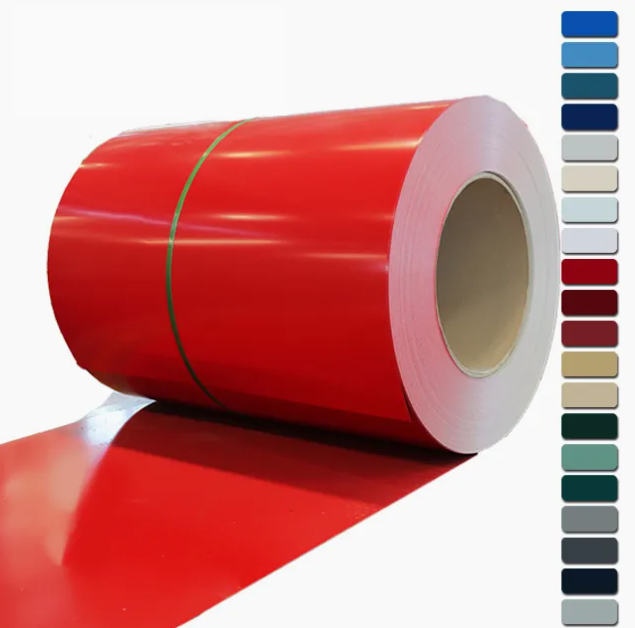
For procurement engineers and project managers sourcing pipe materials for industrial, commercial, or infrastructure applications, the choice between iron and galvanized steel pipe carries significant structural and financial consequences. While iron has served construction for centuries, modern galvanized steel pipe — produced from a carbon steel substrate with a hot-dip zinc coating — delivers measurably superior tensile strength, impact resistance, and long-term corrosion protection.
This guide provides a direct, data-driven comparison of iron versus galvanized steel pipe across key mechanical properties, examines what materials exceed galvanized steel’s performance envelope, and maps specific pipe grades to real-world application requirements. Whether you are specifying pipe for a water distribution network, structural scaffolding system, or high-pressure gas line, understanding these material distinctions will reduce lifecycle costs and eliminate premature failure risks.
Understanding the Core Materials: Iron vs. Galvanized Steel
1. Metallurgical Composition & Structural Differences
Iron and steel are both iron-based metals, but their performance profiles diverge sharply at the alloying level. Pure iron is soft and rarely used in structural applications. Cast iron contains 2–4% carbon, making it hard but inherently brittle — it resists compression well but fractures under tensile or impact loads. Wrought iron, with less than 0.08% carbon, is more ductile but lacks the tensile strength required for modern pressure piping.
Galvanized steel pipe is manufactured from low-to-medium carbon steel (typically 0.06–0.30% carbon), which provides a balanced combination of strength, ductility, and weldability. The substrate is then coated through hot-dip galvanizing: the pipe is cleaned, fluxed, and immersed in a bath of molten zinc at approximately 450°C. This metallurgical bond creates a multi-layer zinc-iron alloy coating — not merely a surface film — that provides sacrificial cathodic protection even when the coating is scratched or abraded.
The result is a composite material where the steel core delivers structural load capacity and the zinc envelope provides environmental durability, a combination neither pure iron nor cast iron can match.
2. Galvanized Steel Pipe Manufacturing Standards
Reputable galvanized steel pipe is produced under internationally recognized standards that govern both the steel substrate and the zinc coating:
- ASTM A53 (Grade A & B): The primary North American standard; Grade B requires a minimum tensile strength of 415 MPa and yield strength of 240 MPa.
- EN 10255 / BS 1387: European standards covering light, medium, and heavy series with defined wall thickness tolerances.
- ISO 1461: Governs hot-dip galvanizing coating thickness (minimum 45–85 µm depending on material thickness).
Wall thickness grades — Schedule 40 (standard) and Schedule 80 (extra-strong) — determine pressure ratings and load-bearing capacity. Procurement teams should always specify both the pipe schedule and the applicable coating standard to ensure dimensional and metallurgical compliance across supplier batches.
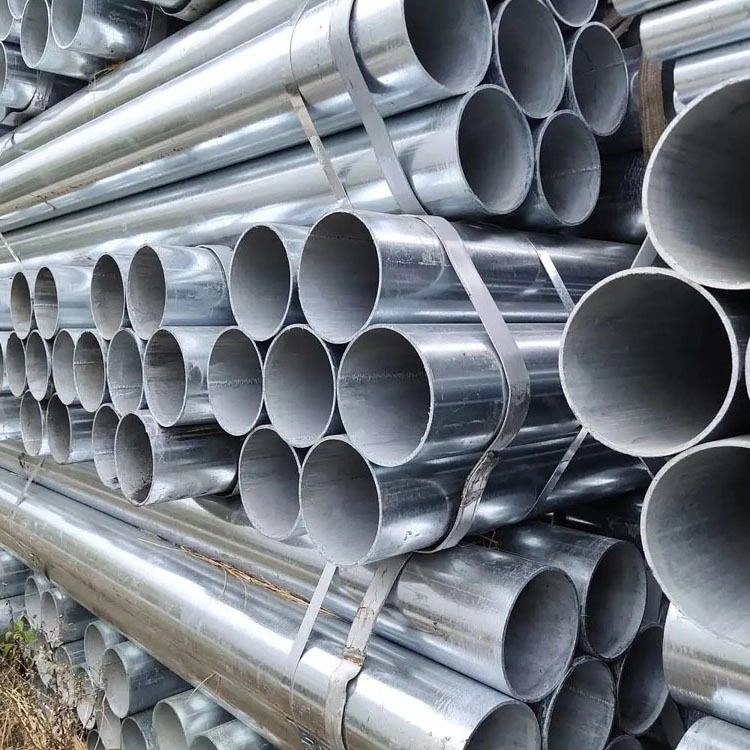
Strength Comparison: Iron vs. Galvanized Steel Pipe
1. Mechanical Properties Head-to-Head
The mechanical data below illustrates why galvanized steel pipe consistently outperforms iron-based alternatives in structural and pressure applications:
| Material | Tensile Strength (MPa) | Yield Strength (MPa) | Hardness (HB) | Elongation (%) | Corrosion Resistance |
|---|---|---|---|---|---|
| Cast Iron | 170–310 | N/A (brittle) | 180–300 | <1% | Low |
| Wrought Iron | 340–370 | 210–250 | 100–130 | 10–15% | Moderate |
| Standard Carbon Steel Pipe | 400–520 | 240–350 | 120–180 | 18–25% | Low (uncoated) |
| Galvanized Steel Pipe (ASTM A53 Gr.B) | 415–550 | 240–380 | 130–190 | 18–23% | High |
Key takeaways for procurement engineers:
- Cast iron’s brittleness makes it unsuitable for applications involving vibration, seismic loads, or impact — its near-zero elongation means it fractures without warning.
- Galvanized steel’s elongation of 18–23% indicates significant plastic deformation capacity before failure, a critical safety margin in structural and pressure systems.
- The zinc coating does not meaningfully alter the steel substrate’s tensile or yield strength; its contribution is entirely in corrosion resistance and service life extension.
2. Corrosion Resistance as a Strength Factor
Structural strength on day one is only part of the equation. In real-world service environments, oxidation progressively destroys iron’s load-bearing cross-section. Uncoated cast iron or wrought iron pipe in outdoor, underground, or humid environments can lose 15–30% of wall thickness within 10–15 years through uniform corrosion and pitting, directly reducing pressure ratings and structural capacity.
Galvanized steel pipe counters this through two mechanisms: the zinc coating acts as a physical barrier against moisture and oxygen, and as a sacrificial anode — zinc oxidizes preferentially, protecting the steel substrate even at coating discontinuities. Independent field studies and ASTM data indicate galvanized steel pipe maintains structural integrity for 50+ years in above-ground applications and 25–40 years in buried service, depending on soil chemistry. This makes galvanized pipe the economically rational choice in any environment where iron pipe would require periodic replacement or protective recoating.
What Is Stronger Than Galvanized Steel Pipe? — Upgrade Options
1. High-Strength Alternatives: Stainless Steel, Black Steel & Pre-Galvanized Pipe
When project requirements exceed standard galvanized steel pipe’s performance envelope, three upgrade paths are commonly evaluated:
- 304/316 Stainless Steel Pipe: Tensile strength of 515–620 MPa with excellent corrosion resistance in chloride and acidic environments. The premium is significant — typically 4–6× the material cost of galvanized pipe — making it appropriate for chemical processing, marine, and food-grade applications rather than general construction.
- Seamless Black Steel Pipe (ASTM A106 Gr.B/C): Tensile strength up to 655 MPa (Grade C), with no weld seam, making it preferred for high-pressure steam, hydraulic, and oil & gas applications. It requires external coating or cathodic protection in corrosive environments.
- Pre-Galvanized (In-Line Galvanized) Pipe: Coated before forming; offers consistent coating on the outer surface but thinner zinc layers (typically 20–30 µm) and uncoated interior welds. Suitable for light structural and HVAC applications but not equivalent to hot-dip galvanized pipe in corrosion performance.
2. Enhanced Galvanized Pipe Specifications for Heavy-Duty Applications
For buyers who need galvanized pipe’s corrosion benefits combined with higher structural capacity, the following specifications address demanding service conditions:
- Schedule 80 and Schedule 160 galvanized pipe: Thicker walls increase pressure ratings by 40–75% over Schedule 40 equivalents and improve resistance to mechanical damage.
- High-zinc-coating grades (≥85 µm per ISO 1461): Specified for underground pipelines, coastal infrastructure, and tropical climate installations where standard coating weights are insufficient.
- Double-sided (internal + external) galvanizing: Critical for water and gas distribution lines where internal corrosion from process fluids is a concurrent threat.
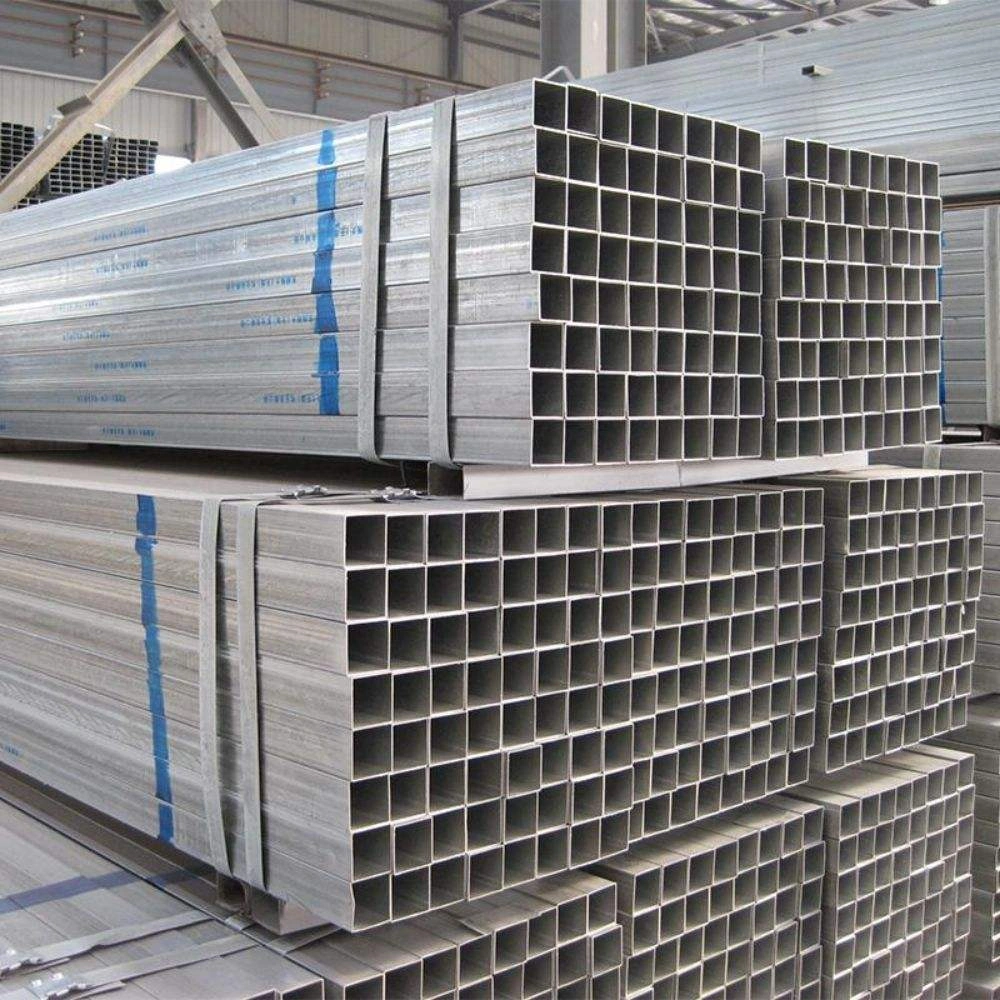
- Structural hollow sections (SHS/RHS) with galvanized finish: Used in fire-fighting system risers, agricultural greenhouse frameworks, and industrial support structures where combined axial and bending loads apply.
Application Scenarios & Commercial Value for B2B Buyers
1. Industry-Specific Use Cases
Matching galvanized steel pipe grade to application requirements prevents both over-specification (unnecessary cost) and under-specification (premature failure):
| Application | Recommended Grade | Key Requirement |
|---|---|---|
| Construction scaffolding | Schedule 40, ASTM A53 Gr.B | Tensile ≥415 MPa, dimensional consistency |
| Water/gas distribution | Schedule 40/80, internal galvanized | Pressure rating, coating continuity |
| HVAC ducting & supports | Light series, EN 10255 | Corrosion resistance, weldability |
| Agricultural irrigation | Standard hot-dip, external coating | UV/soil resistance, long service life |
| Oil & gas structural supports | Schedule 80+, high-zinc coating | High load capacity, H₂S environment tolerance |
| Fire-fighting systems | Schedule 40, FM/UL listed | Pressure integrity, code compliance |
2. Total Cost of Ownership (TCO) Analysis
Initial material cost comparisons frequently mislead procurement decisions. Uncoated cast iron pipe may carry a 15–25% lower purchase price than galvanized steel pipe, but a TCO analysis over a 20-year project horizon typically reverses this advantage:
- Maintenance costs: Iron pipe in corrosive environments requires inspection cycles every 3–5 years and protective recoating; galvanized pipe in comparable service typically requires no intervention for 15–20 years.
- Replacement frequency: Cast iron pipe in underground municipal systems has a documented average failure rate 3–4× higher than galvanized steel pipe over 25 years.
- System downtime costs: In industrial or commercial facilities, a single pipe failure event — including emergency repair, production loss, and water damage — can exceed the entire material cost differential of upgrading to galvanized steel.
For procurement teams managing infrastructure with 30–50 year design lives, galvanized steel pipe consistently delivers a lower TCO, with ROI typically positive within 7–10 years relative to uncoated iron alternatives.
Conclusion
The verdict is clear: galvanized steel pipe is structurally stronger, more ductile, and significantly more durable than both cast iron and wrought iron across every metric relevant to industrial and commercial procurement. Cast iron’s brittleness and iron’s corrosion vulnerability make them poor candidates for applications where long service life, pressure integrity, or structural safety are non-negotiable.
For applications demanding performance beyond standard galvanized pipe, Schedule 80 thick-wall specifications, high-zinc-coating grades, or seamless black steel provide verified upgrade paths without abandoning the galvanized protection system entirely.
B2B buyers and procurement engineers should prioritize suppliers capable of providing full MTR documentation, third-party coating verification, and compliance with ASTM A53, EN 10255, or equivalent international standards. Selecting certified, high-strength galvanized steel pipe is not simply a material decision — it is a lifecycle cost and risk management decision that pays dividends across the full project horizon.
Source certified high-strength galvanized steel pipe from manufacturers with demonstrated standard compliance and traceable quality systems to protect both your project specifications and your procurement reputation.